Orange County Oral Surgery and Periodontics
Why Your Next Periodontal Patient Isn’t Asking Friends Anymore

Why Your Next Periodontal Patient Isn’t Asking Friends Anymore
The way patients find a periodontist has quietly—but completely—changed. Referrals used to drive growth: a patient told a friend, who told a neighbor. Today, that chain has been replaced by artificial intelligence.
Patients aren’t starting with personal recommendations anymore. They’re asking tools like Google, ChatGPT, and Siri questions such as:
“Why are my gums bleeding?” or “Do I need a gum specialist near me?”
And instead of a list of links, they’re getting direct, summarized answers—often with a short list of providers to consider.
That means AI has become the new referral source. It sits between your practice and the patient, deciding who is visible and who is not.
For periodontics, this shift is especially important. Patients searching for gum disease treatment are often unsure, sometimes anxious, and usually looking for clarity. They want to understand symptoms like bleeding gums, gum recession, or bad breath before committing to a visit. AI favors practices that answer these concerns clearly and confidently.
What determines whether AI recommends your practice?
It’s not your office design or even your website ranking alone. AI looks for trust signals:
Accurate, consistent listings across all platforms
Recent, authentic patient reviews (especially mentioning gum disease care or periodontal treatment)
Clear, conversational content that explains conditions and solutions
Local relevance—your city, services, and availability
If your information is incomplete or inconsistent, AI may skip over you entirely.
At the same time, patients are making decisions faster than ever. Instead of researching for weeks, many are choosing a provider within days—or even minutes—based on what AI summarizes for them.
What this means for your practice:
Your next periodontal patient may already be searching—but if your digital presence doesn’t clearly explain what you do and who you help, you won’t be part of the answer they receive.
Simple content like:
“Why do my gums bleed when I brush?”
“What are the early signs of gum disease?”
“When should I see a periodontist?”
can make the difference between being invisible and being recommended.
The takeaway:
AI isn’t replacing referrals—it’s redefining them.
Patients are still looking for trust, but now that trust is built through your online presence before they ever call your office. Practices that educate clearly, maintain accurate information, and actively manage their reputation will be the ones patients find—and choose.
About the Author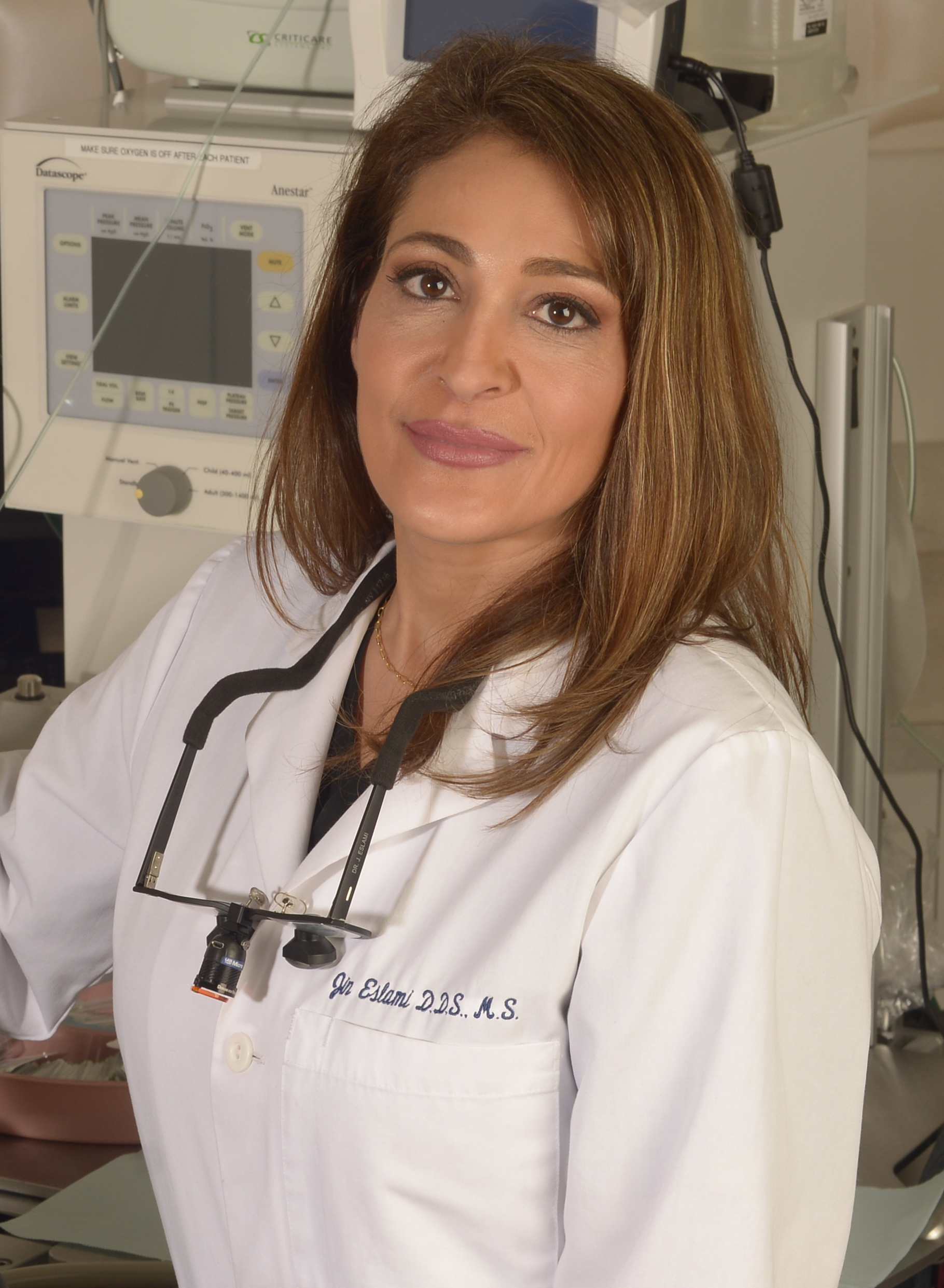 Dr. Jin Eslami, DDS, MS, is a board-certified periodontist with over 30 years of experience in periodontal disease treatment, dental implants, and advanced bone regeneration. Based in Rancho Santa Margarita, she specializes in complex cases involving severe gum disease and full-arch implant rehabilitation. Dr. Eslami is a strong advocate for the connection between oral health and systemic conditions, including cardiovascular disease and cancer.
To learn more or schedule a consultation, contact
Dr. Eslami’s office for expert periodontal and implant care.
Orange County Oral Surgery & Periodontics
Phone: 949-888-0332
Website: https://www.ocosperio.com/
Fluoride Is Backed by Science—But Supply Disruptions Raise New Concerns

Fluoride Is Backed by Science
A major long-term study published in the Proceedings of the National Academy of Sciences delivers some of the strongest evidence to date confirming that community water fluoridation is safe, particularly when it comes to brain health. The research, led by Rob Warren at the University of Minnesota, analyzed data from over 10,000 participants tracked across decades as part of the Wisconsin Longitudinal Study.
The findings were consistent and reassuring: individuals who grew up in fluoridated communities showed no differences in intelligence or cognitive function compared to those who did not. This held true from adolescence through late adulthood.
For those of us in dentistry, this reinforces what we’ve known for years—at recommended levels, fluoride is both safe and highly effective in preventing dental caries. Much of the lingering concern around fluoride and IQ has been fueled by studies conducted in areas with fluoride levels far exceeding those used in the United States, leading to confusion and misinformation.
Yet despite the strength of the evidence, skepticism persists. We’re seeing growing patient hesitancy and even legislative efforts aimed at banning water fluoridation in certain regions. This widening gap between science and public perception puts added responsibility on dental professionals to educate patients and advocate for preventive care.
At the same time, a new challenge is emerging—one that has nothing to do with safety, but everything to do with access.
Global supply chain disruptions, partly tied to geopolitical tensions involving Iran, are beginning to impact the availability of fluoride compounds used in water treatment. While these shortages are expected to be temporary, they expose a vulnerability in a system that millions rely on for baseline oral health protection.
The takeaway is simple: the science supporting fluoride is solid. The challenge now is maintaining both public trust and consistent access in an increasingly uncertain global landscape.
About the Author
Dr. Jin Eslami, DDS, MS, is a board-certified periodontist with over 30 years of experience in periodontal disease treatment, dental implants, and advanced bone regeneration. Based in Rancho Santa Margarita, she specializes in complex cases involving severe gum disease and full-arch implant rehabilitation. Dr. Eslami is a strong advocate for the connection between oral health and systemic conditions, including cardiovascular disease and cancer.
To learn more or schedule a consultation, contact Dr. Eslami’s office for expert periodontal and implant care.
Orange County Oral Surgery & Periodontics
Phone : 949-888-0332
Website: https://www.ocosperio.com/
Gum Disease Bacterium Linked to Breast Cancer Growth and Spread
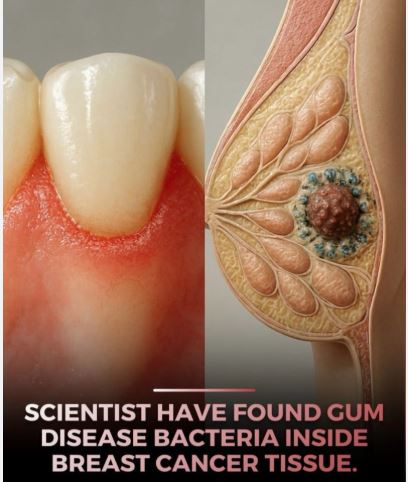 Gum Disease Bacterium Linked to Breast Cancer Growth and Spread
Emerging research is shedding new light on the connection between oral health and systemic disease—this time with a focus on breast cancer. Scientists have identified a key periodontal pathogen, Fusobacterium nucleatum, as a potential contributor to the growth and spread of breast tumors.
Traditionally associated with advanced gum disease (periodontitis), F. nucleatum has already been linked to colorectal cancer. Now, studies suggest it may also play a role in breast cancer progression. Researchers have found that this bacterium can travel through the bloodstream, colonize breast tissue, and create a microenvironment that supports tumor growth and metastasis.
What makes this especially concerning is how F. nucleatum appears to evade the immune system. It can suppress immune responses that would normally target and destroy cancer cells, essentially “protecting” the tumor. In addition, it may promote inflammation—another known driver of cancer progression.
For oral health professionals, this research underscores a critical point: the mouth is not separate from the body. Chronic periodontal infections may have far-reaching consequences beyond tooth loss and local inflammation. Early detection and management of gum disease could become an important component of broader systemic health strategies, including cancer prevention and management.
While more research is needed to fully understand this link, the message is clear—maintaining good oral hygiene and addressing periodontal disease is more important than ever. The future of healthcare may depend on a more integrated approach, where dental and medical professionals work together to identify and reduce systemic risks originating in the oral cavity.
About the AuthorDr. Jin Eslami, DDS, MS, is a board-certified periodontist with over 30 years of experience in periodontal disease treatment, dental implants, and advanced bone regeneration. Based in Rancho Santa Margarita, she specializes in complex cases involving severe gum disease and full-arch implant rehabilitation. Dr. Eslami is a strong advocate for the connection between oral health and systemic conditions, including cardiovascular disease and cancer.
To learn more or schedule a consultation, contact Dr. Eslami’s office for expert periodontal and implant care.
Orange County Oral Surgery & Periodontics
Phone : 949-888-0332
Website: https://www.ocosperio.com/
What Oral Health Professionals Are Missing About Undiagnosed Diabetes
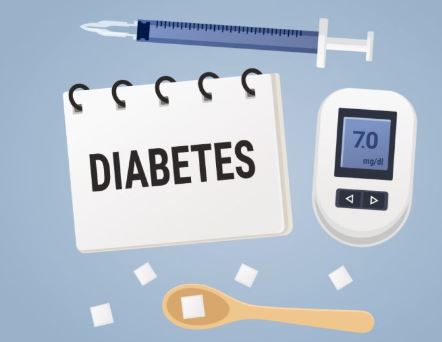 What Oral Health Professionals Are Missing About Undiagnosed Diabetes
In dental and oral surgery settings, clinicians are trained to recognize patterns—periodontal breakdown, caries progression, delayed healing. Yet one of the most significant systemic drivers behind these patterns often goes unnoticed: undiagnosed diabetes. Despite its prevalence, many oral health professionals still underestimate how frequently diabetes is present—but unrecognized—in their patient population.
The Silent Epidemic in the Dental Chair
A substantial portion of individuals with diabetes remain undiagnosed. These patients don’t walk into your office reporting blood sugar issues—they present with oral findings. The dental setting may be the first place where signs of metabolic dysfunction become clinically visible.
The problem isn’t a lack of knowledge about diabetes. It’s a gap in connecting oral manifestations to systemic disease early enough to intervene.
The Oral-Systemic Clues You Might Be Overlooking
Certain patterns should raise immediate suspicion:
Severe, generalized periodontal disease inconsistent with age or oral hygiene
Refractory inflammation despite appropriate periodontal therapy
Rapid bone loss, especially vertical defects
Multiple periodontal abscesses
Xerostomia without clear medication cause
Delayed healing post-extraction, grafting, or implant placement
Burning mouth symptoms or unexplained mucosal changes
These aren’t just dental problems—they are often metabolic warning signs.
Why This Matters for Treatment Outcomes
Undiagnosed diabetes directly impacts nearly every aspect of dental care:
Implant failure risk increases due to impaired osseointegration
Higher infection rates post-operatively
Compromised graft integration in bone augmentation procedures
Unpredictable soft tissue healing
Greater long-term periodontal instability
When a patient “doesn’t respond to treatment,” it’s not always a technique issue—it may be a systemic one.
The Missed Opportunity: Screening in the Dental Office
Oral health professionals are uniquely positioned to identify at-risk patients before diagnosis occurs elsewhere. Yet routine screening is still not widely implemented.
Simple steps can change this:
Incorporate risk assessment questions:
Family history of diabetes
Frequent urination, thirst, fatigue
History of cardiovascular disease
Use chairside HbA1c testing where permitted
Refer patients for medical evaluation when clinical suspicion is high
You are often seeing patients more frequently than their primary care physician. That access is powerful—and underutilized.
The Periodontal-Diabetes Feedback Loop
The relationship is not one-directional:
Diabetes worsens periodontal disease through impaired immune response and vascular changes
Periodontal inflammation increases systemic inflammatory burden, worsening glycemic control
Failing to identify diabetes means you may be treating a condition that is biologically reinforced from both directions.
Rethinking “Hopeless Dentition”
In cases of advanced bone loss and rampant decay, many clinicians move toward full-arch extraction and implant rehabilitation. While often appropriate, undiagnosed diabetes can:
Accelerate the initial disease process
Complicate surgical outcomes
Reduce long-term success of implants
Identifying and stabilizing glycemic control before definitive treatment can dramatically improve outcomes.
A Shift in Clinical Mindset
The key shift is this:
Stop viewing oral disease in isolation when the presentation is disproportionate.
Ask yourself:
Does the severity match the patient’s hygiene and history?
Is healing progressing as expected?
Are multiple red flags appearing simultaneously?
If not, it’s time to think systemically.
The Future of Dentistry Is Integrated
Dentistry is no longer just about teeth—it’s about total health. The separation between medical and dental care is narrowing, and diabetes sits at the center of that convergence.
Oral health professionals who recognize this early will not only improve clinical outcomes but also play a critical role in identifying a life-altering disease.
Bottom Line
Undiagnosed diabetes is not rare in your practice—it’s just under-recognized. The signs are already in your operatory. The question is whether they’re being connected.
By sharpening your awareness and incorporating simple screening protocols, you can move from treating symptoms to identifying root causes—and ultimately, delivering a higher standard of care.
About the AuthorDr. Jin Eslami, DDS, MS, is a board-certified periodontist with over 30 years of experience in periodontal disease treatment, dental implants, and advanced bone regeneration. Based in Rancho Santa Margarita, she specializes in complex cases involving severe gum disease and full-arch implant rehabilitation. Dr. Eslami is a strong advocate for the connection between oral health and systemic conditions, including cardiovascular disease and cancer.
To learn more or schedule a consultation, contact Dr. Eslami’s office for expert periodontal and implant care.
Orange County Oral Surgery & Periodontics
Phone : 949-888-0332
Website: https://www.ocosperio.com/
The Oral-Systemic Health Connection
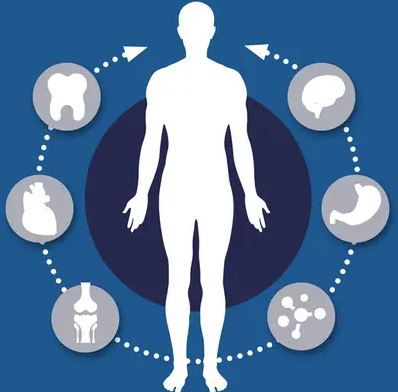 The Oral-Systemic Health Connection
For years, dentistry and medicine have been treated as separate worlds. But research is making it clear: the health of the mouth and the health of the body are deeply connected. Here’s what science—and patient care—tell us about this critical link.
Oral Bacteria and Disease Risk
Certain oral bacteria, such as Streptococcus anginosus, have been linked to blood vessel inflammation and clot formation—factors that increase stroke risk. While harmless in the mouth, these bacteria can become opportunistic, causing infections and fueling systemic disease.
The Gut-Oral Axis
The oral microbiome doesn’t just affect teeth and gums. Studies now show strong links between oral bacteria, gut inflammation, and conditions like inflammatory bowel disease (IBD). Up to 35% of IBD patients also experience oral symptoms such as ulcers and dry mouth, highlighting the mouth–gut connection.
Genetics and Oral Health
Genetics also play a role. Some people are more susceptible to gum disease because of inherited traits. When combined with harmful bacteria and lifestyle factors, this genetic vulnerability can trigger systemic inflammation and periodontal disease.
Why Patients Miss the Message
Despite mounting evidence, many patients still see dentistry as separate from overall health. Barriers include:
Pain-driven visits instead of preventive care
Poor communication between medical and dental providers
Cultural and financial barriers to care
Low health literacy and misinformation
Modernizing Patient Communication
To close this gap, we need to make science relatable. That means:
Visual tools like intraoral cameras and digital charts to show—not just tell—patients what’s happening
Simple analogies (“gum disease is like an open wound that never heals”) to explain complex science
Interactive learning with apps, QR codes, or text reminders that fit into daily life
Breaking Down Silos in Health Care
The lack of integration between dental and medical systems remains a major obstacle. EMRs rarely sync with dental records, leaving vital health information in silos. Until we streamline data-sharing and encourage routine conversations across disciplines, patients will continue to suffer from fragmented care.
Why This Matters
Oral-systemic health isn’t a future concept—it’s here now. As dental professionals, we can lead the way by:
Using modern communication strategies
Making research understandable for patients
Advocating for stronger medical–dental collaboration
By connecting the dots between oral and overall health, we don’t just improve smiles—we elevate the entire standard of patient care.
About the AuthorDr. Jin Eslami, DDS, MS, is a board-certified periodontist with over 30 years of experience in periodontal disease treatment, dental implants, and advanced bone regeneration. Based in Rancho Santa Margarita, she specializes in complex cases involving severe gum disease and full-arch implant rehabilitation. Dr. Eslami is a strong advocate for the connection between oral health and systemic conditions, including cardiovascular disease and cancer.
To learn more or schedule a consultation, contact Dr. Eslami’s office for expert periodontal and implant care.
Orange County Oral Surgery & Periodontics
Phone : 949-888-0332
Website: https://www.ocosperio.com/
Regrowing Human Teeth by 2030: How Lab-Grown Smiles Could Replace Implants and Dentures
 Regrowing Teeth in Humans: Closer Than We Think By 2030, the dental world may look very different. Instead of costly implants, fillings, and dentures, dentists could be replacing missing teeth with lab-grown, natural regenerating ones. What once seemed like science fiction may soon become everyday practice.
The Research Behind Tooth Regeneration
For decades, researchers have known that humans once had the ability to grow a third set of teeth beyond our baby and adult sets. Remarkably, the genetic “bud” for this third set is still inside us—it just never develops.
A Japanese research team, working in collaboration with King’s College London, has been unlocking how to activate that dormant potential. Their work focuses on a protein called USAG-1, which normally limits tooth growth. By developing an antibody that blocks this protein, the team successfully grew new teeth in mice back in 2018. Human clinical trials are now underway, with early results showing promise.
If progress continues, regenerated teeth could become a treatment option for patients as soon as 2030.
From Stem Cells to Smiles
Tooth regeneration begins much like natural tooth development in the womb. Teeth form from stem cells during the embryonic stage, when different tissues “communicate” to build specialized cells.
Researchers recreated this process in the lab, developing a material that allows stem cells to interact the way they would in the body. Earlier this year, they successfully grew a whole tooth in the lab—a major milestone.
According to Xuechen Zhang, a PhD student at King’s College London’s Faculty of Dentistry, these lab-grown teeth would naturally regenerate and integrate into the jaw, just like real ones. Unlike implants or fillings, they would be biologically compatible, stronger, and longer lasting—with no risk of rejection.
First Applications: Treating Children with Anodontia
The next big challenge? Figuring out how to safely place a regenerated tooth into a patient’s mouth.
Researchers are considering two approaches:
Transplanting young tooth cells directly into the jaw, letting the tooth grow inside the mouth.
Growing a complete tooth in the lab first, then implanting it.
Initial human applications are likely to focus on children with anodontia, a rare hereditary condition that prevents some teeth from forming. It affects around 0.1% of the population and often makes eating difficult. Success in these cases could pave the way for wider use.
The Future of Dentistry
If clinical trials continue to deliver positive results, we may be only a few years away from a world where dentists can help patients regrow their own teeth. The potential benefits are enormous: stronger smiles, reduced need for artificial materials, and a revolution in the way we treat tooth loss.
The bottom line? By 2030, we may finally have the ability to do what nature originally designed—grow new teeth for life.
About the AuthorDr. Jin Eslami, DDS, MS, is a board-certified periodontist with over 30 years of experience in periodontal disease treatment, dental implants, and advanced bone regeneration. Based in Rancho Santa Margarita, she specializes in complex cases involving severe gum disease and full-arch implant rehabilitation. Dr. Eslami is a strong advocate for the connection between oral health and systemic conditions, including cardiovascular disease and cancer.
To learn more or schedule a consultation, contact Dr. Eslami’s office for expert periodontal and implant care.
Orange County Oral Surgery & Periodontics
Phone : 949-888-0332
Website: https://www.ocosperio.com/
Could Keratin Replace Fluoride in Toothpaste?
 Imagine this: the same keratin protein that makes up our hair, nails, and even sheep’s wool might soon help us grow stronger smiles. Researchers at King’s College London are exploring keratin as a natural, sustainable alternative to fluoride in toothpaste—and the results are promising.
For decades, fluoride has been the go-to ingredient for slowing tooth decay. But keratin appears to go a step further. Early studies show it not only repairs weakened enamel but also stops decay in its tracks. Unlike bones or hair, enamel doesn’t regenerate once it’s gone. That’s why this discovery could be a true breakthrough in regenerative dentistry.
So how does it work? Keratin creates a dense, mineral-rich coating on the surface of teeth. This layer mimics natural enamel, sealing off exposed nerve channels that cause sensitivity while also protecting against further damage. It’s a dual benefit: structure and comfort.
What makes this even more exciting is sustainability. The keratin used in the research is extracted from natural by-products like hair, skin, and wool—resources that would otherwise go to waste. This offers a safer and greener alternative to traditional resins in restorative dentistry, which often rely on toxic, short-lived plastics.
The researchers also envision a keratin-based gel—something like a clear “tooth varnish”—that dentists could apply directly to vulnerable spots on teeth for targeted repair.
By using sheep’s wool in their experiments, the team was able to combine keratin with minerals naturally found in saliva, creating a crystal-like structure that closely resembles real enamel. With more development and support from industry partners, this innovation could find its way into everyday oral care products within the next two to three years.
One of the lead researchers, puts it: “With further development, we may soon be growing stronger, healthier smiles from something as simple as a haircut.”
The next time you brush, you might not be reaching for fluoride at all—but for the protective power of keratin.
About the AuthorDr. Jin Eslami, DDS, MS, is a board-certified periodontist with over 30 years of experience in periodontal disease treatment, dental implants, and advanced bone regeneration. Based in Rancho Santa Margarita, she specializes in complex cases involving severe gum disease and full-arch implant rehabilitation. Dr. Eslami is a strong advocate for the connection between oral health and systemic conditions, including cardiovascular disease and cancer.
To learn more or schedule a consultation, contact Dr. Eslami’s office for expert periodontal and implant care.
Orange County Oral Surgery & Periodontics
Phone : 949-888-0332
Website: https://www.ocosperio.com/
Gum Grafting 101: What to Know Before You Treat Gum Recession
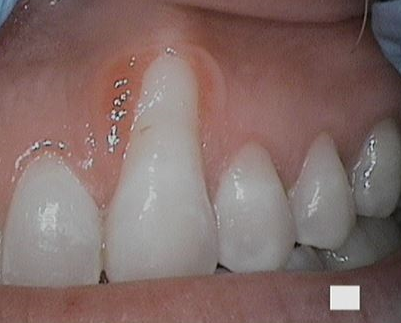
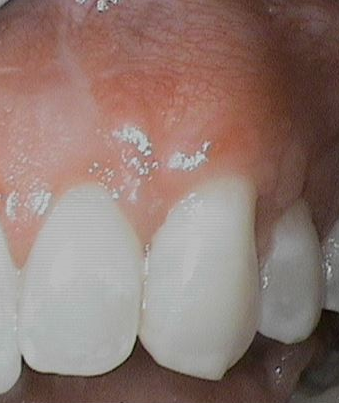 Gum Grafting 101: What to Know Before You Treat Gum Recession
If you’ve been noticing longer teeth or increased tooth sensitivity, you might be dealing with something more serious than just getting older—gum recession. While it sounds scary, there’s a safe, effective solution that can restore both your gumline and your confidence: gum grafting.
In this post, I will break down what gum grafting is, why it matters, and answer the most common questions patients ask.
🦷 What Is Gum Grafting?
Original photos by Dr. Eslami
Gum grafting is a minor surgical procedure where a periodontist adds new gum tissue to areas where your gums have receded. It’s usually done using tissue from your palate or a tissue bank and helps to cover exposed roots, reduce sensitivity, prevent further recession, and improve the appearance of your smile.
💡 Why Do Gums Recede in the First Place?
Gum recession can be caused by a variety of factors, including:
- Overbrushing with a hard-bristled toothbrush
- Periodontal (gum) disease
- Genetics
- Misaligned teeth
- Teeth grinding
- Tobacco use
- Poor oral hygiene
Left untreated, receding gums can lead to tooth sensitivity, root cavities, or even tooth loss.
❓Q&A: Your Top Gum Grafting Questions, Answered
Q: Is gum grafting painful?
A: Most patients are surprised by how manageable the discomfort is. The procedure is done under local anesthesia, and recovery discomfort is usually controlled with over-the-counter or prescribed pain relievers. Mild swelling or sensitivity is normal for a few days.
Q: How long does recovery take?
A: Initial healing takes about 1–2 weeks. During this time, you’ll need to stick to a soft-food diet and avoid brushing the treated area. Complete healing and gum tissue integration can take 4–6 weeks.
Q: Is the procedure covered by insurance?
A: In many cases, yes—it’s considered medically necessary to treat gum disease or prevent tooth loss. Cosmetic gum grafting may not always be covered, so it’s best to check with your provider.
Q: Will it make my smile look better?
A: Absolutely. Gum grafting not only protects your teeth but also restores a more natural, symmetrical gumline, making your smile appear healthier and more balanced.
Q: Are there alternatives to traditional gum grafting?
A: Newer techniques like the pinhole surgical technique or tissue-stimulating gels may be suitable for certain cases. Always consult your periodontist to see which method is best for your specific needs.
👏 Final Takeaway
Gum grafting is one of the most effective ways to stop gum recession in its tracks and restore your oral health. Whether you’re noticing changes in your gums or your dentist has recommended the procedure, knowing what to expect can make all the difference.
Healthy gums = strong, beautiful teeth. Don’t ignore the signs—take action and talk to your dental professional about whether gum grafting is right for you.
About the Author
Dr. Jin Eslami, DDS, MS, is a board-certified periodontist with over 30 years of experience in periodontal disease treatment, dental implants, and advanced bone regeneration. Based in Rancho Santa Margarita, she specializes in complex cases involving severe gum disease and full-arch implant rehabilitation. Dr. Eslami is a strong advocate for the connection between oral health and systemic conditions, including cardiovascular disease and cancer.
To learn more or schedule a consultation, contact Dr. Eslami’s office for expert periodontal and implant care.
Orange County Oral Surgery & Periodontics
Phone : 949-888-0332
Website: https://www.ocosperio.com/
Smile Like You Mean It: The Ultimate 2025 Guide to Trendy Oral Care
 Smile Like You Mean It: The Ultimate 2025 Guide to Trendy Oral Care
In a world where wellness is the new wealth, and your aesthetic says everything before you even speak, oral care has officially entered its main character era. No longer just a routine, your daily dental habits are now a full-on lifestyle statement. In 2025, we’re redefining oral hygiene with science, style, and a whole lot of self-care energy. Ready to elevate your mouth game?
Welcome to your ultimate guide to modern oral care—where innovation meets glam, and your smile gets the spotlight it deserves.
😁 Why Oral Care Is Having Its Moment
Oral hygiene used to be about two things: brushing and flossing. Fast-forward to today, and it’s a multi-step ritual infused with tech, luxury, and even a little bit of TikTok flair. Influencers are doing toothbrush unboxings, dentists are becoming skincare-style celebs, and your mouth is finally getting the wellness attention it’s always deserved.
But it’s not just hype. Research continues to link oral health with everything from heart disease to diabetes to brain health. A healthy smile isn’t just pretty—it’s powerful.
So, whether you’re a Gen Z beauty guru, a wellness-obsessed millennial, or someone who’s finally ready to leave their basic brushing days behind, here’s how to get your oral hygiene up to 2025 standards.
🏋️ Step 1: Curate Your Mouthcare Shelfie
You’ve seen the bathroom shelfie trends: serums, jade rollers, essential oils—but what about the products for your mouth? It’s time for oral care to take up space (and look good while doing it).
Must-haves for the shelf:
Electric Toothbrush (Smart Version): Brands like Oral-B iO or Philips Sonicare Prestige now come with AI features that track your brushing habits and guide you in real-time. It’s like having a dental coach in your hand.
Glass Jar Floss Picks: Ditch the plastic packaging. Refillable jars of biodegradable floss picks are the new standard.
Nano-Hydroxyapatite Toothpaste: Fluoride is still effective, but N-HA is trending thanks to its enamel-repairing power and natural appeal.
Tongue Scraper (Gold or Copper): An ancient tool that’s now a viral sensation, with benefits ranging from better breath to better taste.
Mouthwash Tablets: Eco-friendly and travel-ready, just drop one in water and swish your way to a fresher smile.
🔧 Step 2: Go High-Tech with Smart Oral Tools
2025 is all about smart hygiene. We track our steps, sleep, and macros—why not track our brushing?
Trending tech:
Smart Toothbrushes: Apps show you where you’re missing, how much pressure you’re using, and even gamify the process.
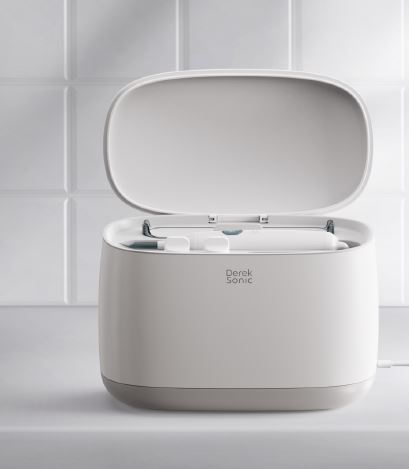
UV-C Sanitizers: Sanitize your brush heads with UV light to kill bacteria. Perfect for the germ-conscious and the aesthetically inclined.
Water Flossers: The ultimate upgrade from string floss, these deliver a jet stream that removes debris and massages gums. Bonus: it feels weirdly satisfying.
🌟 Step 3: Add a Touch of Luxury
Luxury isn’t just for skincare anymore. Oral care brands are embracing the glow-up culture with packaging and formulas that look as good as they perform.
Luxury oral care moments:
Designer Toothpaste: Brands like Marvis or Twice offer flavors like jasmine mint or coconut chai.
Gold-Plated Tools: From tongue scrapers to dental mirrors, you can now buy blinged-out tools that make your routine feel high-end.
Sonic Scalers for Home Use: These gadgets mimic what you get at the dentist—gentle ultrasonic vibrations with a plastic tip for safe at-home use (be sure to follow instructions).
🚛 Step 4: Keep It Clean On the Go
The modern lifestyle is mobile. Your oral hygiene should be too.
Oral care for your bag:
Travel-Sized Everything: Toothpaste tablets, folding brushes, and travel-size probiotic mouth sprays.
Chewable Mouthwash or Breath Fresheners: Portable and mess-free.
Retainer/Aligner Cleaners: For Invisalign users, tablets or wipes are must-haves for mid-day refreshes.
💡 Step 5: Upgrade Your Knowledge
Informed is trendy. Understanding the science behind your habits helps you make smarter choices and avoid marketing fluff.
Did you know?
Overbrushing can cause gum recession. Gentle, circular motions are key.
Whitening strips can cause sensitivity if overused—look for peroxide-free versions.
Sugar-free gum with xylitol reduces cavity-causing bacteria.
Oral probiotics can improve bad breath, reduce plaque, and support overall gum health.
📈 Step 6: Know What’s Trending
Social media has officially entered the dental chat.
Viral oral care trends:
#MouthTape: Taping your mouth shut while sleeping to encourage nose breathing (talk to a dentist first).
Charcoal Powder: Still trending, but controversial. Use sparingly and avoid if you have sensitive enamel.
Oil Pulling 2.0: Now with flavored oils and better packaging, ancient Ayurvedic oil pulling is back with a vengeance.
Before & After Reels: People are sharing their transformation journeys, and it’s inspiring a generation to take oral health seriously.
🦸 Step 7: Partner with a Pro
Even with the best at-home routine, your dentist is still your MVP.
Pro-tips:
Get regular cleanings: At least every 6 months.
Ask for a gum health check: Periodontal disease is silent but serious.
Talk about whitening: Your dentist can recommend safe and effective options tailored to your enamel type.
And remember, your dentist isn’t just for emergencies. They’re a partner in your wellness journey.
🌟 Final Thought: Your Smile, Your Statement
In a world driven by first impressions, your smile is your signature. It shows the world who you are before you say a word. Whether you’re chasing that perfect white, fighting bad breath, or just trying to be healthier from the inside out, your oral care routine should reflect the energy you bring to every part of your life.
So glam it up, tech it out, and smile like you mean it—because the future of oral care is here, and it’s looking fierce.
About the AuthorDr. Jin Eslami, DDS, MS, is a board-certified periodontist with over 30 years of experience in periodontal disease treatment, dental implants, and advanced bone regeneration. Based in Rancho Santa Margarita, she specializes in complex cases involving severe gum disease and full-arch implant rehabilitation. Dr. Eslami is a strong advocate for the connection between oral health and systemic conditions, including cardiovascular disease and cancer.
To learn more or schedule a consultation, contact Dr. Eslami’s office for expert periodontal and implant care.
Orange County Oral Surgery & Periodontics
Phone : 949-888-0332
Website: https://www.ocosperio.com/