
Is Dental Insurance Really Worth It? A Periodontist’s Perspective on Why Self-Pay May Be the Smarter Choice
 Is Dental Insurance Really Worth It? A Periodontist’s Perspective on Why Self-Pay May Be the Smarter Choice
When patients walk into a periodontal office, one of the first questions they ask is: “Do you take my insurance?” It’s a fair question—but not always the right one.
Dental insurance has long been marketed as a safety net for oral health. But when you look closely—especially in the context of periodontal treatment—the reality is far less reassuring. In many cases, dental insurance offers limited value while creating barriers to receiving the care patients actually need.
Let’s break down why.
The Illusion of Coverage
Most dental insurance plans come with an annual maximum—typically between $1,000 and $2,000. That number hasn’t meaningfully changed in decades, despite the rising cost of dental care and advances in treatment.
Now consider this:
- Scaling and root planing (deep cleaning): can cost $800–$2,000+
- Periodontal surgery: often $1,500–$4,000 per quadrant
- Regenerative procedures: even higher depending on complexity
In other words, your entire yearly benefit may be exhausted after a single phase of treatment.
What’s marketed as “coverage” is often just a small coupon toward necessary care.
Delayed Treatment = Higher Cost
Insurance doesn’t just limit how much is covered—it often dictates when treatment is approved.
- Waiting periods delay necessary care
- Frequency limitations restrict retreatment
- Denials for “not medically necessary” procedures are common
Periodontal disease is progressive. Delaying treatment due to insurance constraints can turn a manageable condition into advanced disease requiring surgery—or even tooth loss.
Ironically, trying to “use your insurance” can end up costing you significantly more in the long run.
The Problem with “Insurance-Driven Dentistry”
When insurance becomes the deciding factor, treatment planning can shift from what’s best for the patient to what’s covered by the plan.
This creates several issues:
- Under-treatment of disease
- Avoidance of optimal techniques or materials
- Fragmented care based on insurance phases, not clinical need
As a periodontist, the goal is to treat infection, preserve bone, and maintain long-term oral health—not to fit care into outdated insurance limitations.
The Advantages of Self-Pay in Periodontal Care
Choosing a self-pay model puts control back where it belongs: with the patient and the doctor.
1. Treatment Based on Need, Not Policy
Care is recommended based on clinical findings—not insurance codes or restrictions.
2. No Delays
You can proceed with treatment when it’s needed, reducing disease progression and complications.
3. Transparency
Self-pay practices often provide clear, upfront pricing—no surprises, no hidden denials.
4. Higher Quality Care
Without insurance constraints, clinicians can use the most effective techniques, materials, and technologies.
5. Long-Term Value
While the upfront cost may seem higher, timely and appropriate care often prevents more expensive procedures later.
The Bigger Picture: Is Dental Insurance Truly Insurance?
Unlike medical insurance—which protects against catastrophic costs—dental insurance functions more like a discount plan with a cap.
Ask yourself:
- If your “insurance” maxes out at $1,500, is it really protecting you?
- Would you accept medical insurance with such a low annual limit?
For periodontal disease, which is chronic and often requires ongoing care, this model simply doesn’t align with reality.
A Smarter Approach to Oral Health Investment
Instead of relying on limited insurance benefits, many patients are shifting toward:
- Health savings accounts (HSAs) or flexible spending accounts (FSAs)
- In-office membership or savings plans
- Prioritizing preventive and early intervention care
These options offer more flexibility and often greater overall value.
Final Thoughts
Dental insurance may provide some benefit for routine cleanings and minor procedures—but when it comes to periodontal treatment, it often falls short.
The question isn’t just “Do you have insurance?”
It’s “Are you getting the care you actually need?”
For many patients, the answer lies in stepping outside the limitations of insurance and investing directly in their health.
 About the Author
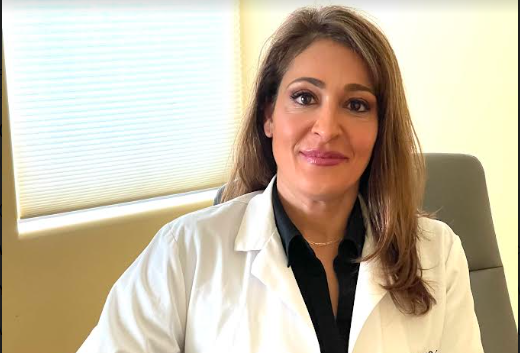
Dr. Jin Eslami, DDS, MS, is a board-certified periodontist with over 30 years of experience in periodontal disease treatment, dental implants, and advanced bone regeneration. Based in Rancho Santa Margarita, she specializes in complex cases involving severe gum disease and full-arch implant rehabilitation. Dr. Eslami is a strong advocate for the connection between oral health and systemic conditions, including cardiovascular disease and cancer.
To learn more or schedule a consultation, contact Dr. Eslami’s office for expert periodontal and implant care.
Orange County Oral Surgery & Periodontics
Phone: 949-888-0332
Website: https://www.ocosperio.com/
Filed under Blog, Periodontal . You can follow any responses to this entry through the RSS 2.0 feed. Both comments and pings are currently closed.
Tags: Bleeding Gums, dental insurance worth it, healthy gums, periodontal treatment cost, sensitive teeth
Comments are closed.