Orange County Oral Surgery and Periodontics
Gum Disease Is More Than a Mouth Problem

Gum Disease Is More Than a Mouth Problem: What Your Gums May Be Telling You About Your Health
When you think about gum disease, you probably think about bleeding gums, bad breath, or loose teeth. But your gums may tell a much bigger story about your health.
Gum disease is a chronic inflammatory condition that can affect the tissues supporting your teeth—and researchers are increasingly studying its connections with health conditions throughout the body.
Your mouth is not isolated from the rest of your body. It contains hundreds of species of bacteria and is closely connected with your immune system and bloodstream. When harmful bacteria and inflammation remain uncontrolled, they may contribute to inflammatory processes beyond the mouth.
What Happens When Gum Disease Develops?
Gum disease typically begins when bacterial plaque accumulates around the teeth and along the gumline.
The body’s immune system responds to these bacteria, creating inflammation. If the inflammation persists, it can damage the gums and the bone supporting the teeth.
Early gum disease may cause:
- Red or swollen gums
- Bleeding when brushing or flossing
- Persistent bad breath
- Gum tenderness
As periodontal disease advances, patients may develop gum recession, deep periodontal pockets, bone loss, tooth mobility, and eventually tooth loss.
One of the biggest concerns is that advanced periodontal disease may develop with surprisingly little pain.
Why Does Gum Disease Matter Beyond Your Teeth?
Scientists are studying possible relationships between periodontal disease and several systemic conditions, including cardiovascular disease, diabetes, respiratory conditions, pregnancy complications, and other inflammatory disorders.
The important point is that an association does not necessarily mean that gum disease directly causes these conditions. Many diseases share common risk factors, and researchers are continuing to determine exactly how oral inflammation may influence overall health.
One possible connection is systemic inflammation.
When periodontal tissues remain chronically inflamed, inflammatory signals can enter circulation. Oral bacteria and bacterial products may also reach other parts of the body.
This has led researchers to investigate whether controlling periodontal inflammation could have benefits beyond preserving teeth.
Your Gums Can Be an Early Warning System
Because periodontal disease can progress quietly, routine dental examinations are extremely important.
A periodontal examination can evaluate gum inflammation, periodontal pocket depths, recession, tooth mobility, and supporting bone levels.
If significant periodontal disease is identified, treating the underlying infection and inflammation becomes more important than simply treating the symptoms.
Daily Plaque Control Matters
Professional periodontal treatment is important when disease is present, but daily home care remains the foundation of prevention and maintenance.
Brushing helps remove plaque from accessible tooth surfaces, while cleaning between the teeth addresses areas that a toothbrush cannot adequately reach.
Technology can also play a role in improving daily plaque control.
Where DEREK SONIC Fits In
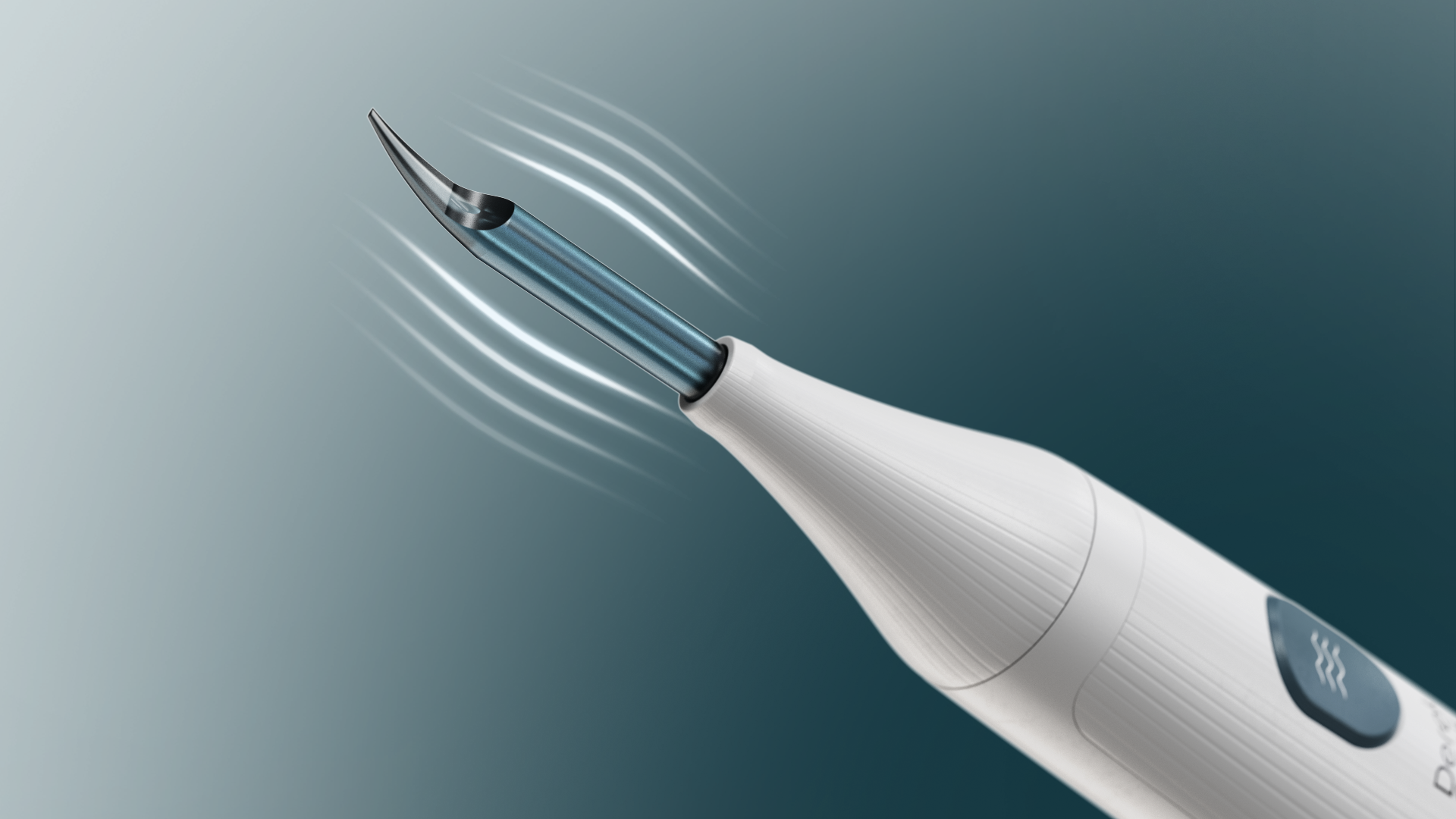 DEREK SONIC combines sonic vibration with water irrigation to help disrupt plaque and rinse away loosened debris around the teeth and gumline.
Its goal is to provide an additional home-care option for people who want a more comprehensive approach to daily oral hygiene.
DEREK SONIC is not intended to replace professional periodontal treatment, dental cleanings, brushing, or interdental cleaning. Instead, it can be incorporated into a broader oral-care routine designed to help maintain a cleaner, healthier mouth.
Don’t Wait Until Your Gums Hurt
Pain is not a reliable indicator of periodontal health.
If your gums regularly bleed, appear swollen, have begun to recede, or you have noticed changes in tooth mobility or spacing, don’t ignore the signs.
Early evaluation can identify periodontal problems before they progress to more serious tissue and bone destruction.
A Healthy Mouth Is Part of a Healthy You
We are learning more every year about the relationship between oral health and the rest of the body. While researchers continue to investigate exactly how periodontal disease interacts with systemic health, there is already a clear reason to take gum health seriously:
Healthy gums help protect the foundation of your teeth.
And maintaining good oral hygiene every day—combined with regular professional care—is one of the most important things you can do to protect your oral health for the long term.
Your gums may be small, but their importance to your health is anything but.
This article is for educational purposes only and does not replace professional dental or medical advice. If you have bleeding gums, persistent inflammation, gum recession, loose teeth, or other concerns, schedule an evaluation with a dental or periodontal professional.
 About the Author
Dr. Jin Eslami, DDS, MS, is a board-certified periodontist with over 30 years of experience in periodontal disease treatment, dental implants, and advanced bone regeneration. Based in Rancho Santa Margarita, she specializes in complex cases involving severe gum disease and full-arch implant rehabilitation. Dr. Eslami is a strong advocate for the connection between oral health and systemic conditions, including cardiovascular disease and cancer.
To learn more or schedule a consultation, contact Dr. Eslami’s office for expert periodontal and implant care.
Orange County Oral Surgery & Periodontics
Phone: 949-888-0332
Website: https://www.ocosperio.com/
Men and Women, Different Mouths?

P
Why Might Oral Health Differ Between Men and Women?
The reasons are likely complex. Researchers have considered a combination of biological, hormonal, behavioral, and social factors.
Hormonal changes can influence the gums and their response to plaque and inflammation. Women experience significant hormonal changes during puberty, pregnancy, menstruation, and menopause, which may affect oral tissues.
Men and women may also differ in oral hygiene habits, dental-care utilization, diet, medication use, smoking exposure, and other lifestyle factors.
These differences don’t mean that every man or woman will experience oral disease in the same way. Individual risk factors remain extremely important.
Gum Disease Deserves Special Attention
Periodontal disease is one of the most common chronic oral conditions in adults. It begins with bacterial plaque accumulating around the teeth and can progress when inflammation damages the tissues supporting the teeth.
Bleeding gums, persistent swelling, gum recession, bad breath, and loose teeth should not simply be considered a normal part of aging.
Regular periodontal examinations can identify inflammation and bone loss before the problem becomes more advanced.
Hormones and the Gums
Hormonal fluctuations can affect the blood supply and inflammatory response of gum tissue.
For example, pregnancy can make some people more susceptible to gum inflammation. Menopause can also be associated with oral changes, including dry mouth and changes in the tissues surrounding the teeth.
These changes make consistent oral hygiene especially important during periods of hormonal transition.
Men Shouldn’t Ignore Their Gum Health Either
Men can face significant periodontal risks as well. In addition to plaque and oral hygiene, factors such as tobacco use, systemic health conditions, stress, diet, and access to dental care can influence periodontal health.
Because periodontal disease can progress with few obvious symptoms, someone can have significant disease without experiencing substantial pain.
That is why regular dental and periodontal evaluations matter.
Prevention Is More Important Than Gender
Although researchers are finding differences between men and women in large populations, good oral hygiene remains important for everyone.
A strong daily routine includes:
- Brushing twice a day with an effective toothbrush
- Cleaning between the teeth
- Removing plaque along the gumline
- Having regular professional dental cleanings
- Getting periodontal evaluations when indicated
- Addressing persistent bleeding or inflammation
- Maintaining good overall health habits
Where Does DEREK SONIC Fit In?
Daily plaque removal is one of the foundations of periodontal health. DEREK SONIC combines sonic vibration with water irrigation to help disrupt and rinse away plaque and debris from around the teeth and along the gumline.
It is designed as an additional home-care tool—not a replacement for professional dental or periodontal treatment.
For people who struggle to clean difficult-to-reach areas, combining effective brushing, interdental cleaning, professional care, and an appropriate home-care technology may help create a more comprehensive oral hygiene routine.
The Bigger Message: Know Your Individual Risk
Research comparing oral health patterns between men and women can help scientists better understand how biological and behavioral factors influence dental disease. But your personal risk cannot be determined by sex alone.
Your genetics, oral hygiene, medical history, medications, diet, smoking status, hormonal changes, and previous dental history can all play a role.
Whether you’re a man or a woman, healthy gums are worth protecting.
Your mouth is the beginning of your digestive and respiratory systems and an important part of your overall health. Paying attention to changes in your gums—and taking action early—can help protect your teeth for years to come.
This article is for educational purposes only and does not replace a dental or periodontal examination. If you have persistent bleeding, swelling, recession, loose teeth, or other oral symptoms, consult a dental professional.
About the Author
Dr. Jin Eslami, DDS, MS, is a board-certified periodontist with over 30 years of experience in periodontal disease treatment, dental implants, and advanced bone regeneration. Based in Rancho Santa Margarita, she specializes in complex cases involving severe gum disease and full-arch implant rehabilitation. Dr. Eslami is a strong advocate for the connection between oral health and systemic conditions, including cardiovascular disease and cancer.
To learn more or schedule a consultation, contact Dr. Eslami’s office for expert periodontal and implant care.
Orange County Oral Surgery & Periodontics
Phone: 949-888-0332
Website: https://www.ocosperio.com/
Gum Disease May Accelerate Bone Loss Through the Gut Microbiome
 Could Gum Disease Be Affecting Your Bones? The Surprising Gut Connection

When we think about gum disease, we usually think about bleeding gums, bad breath, gum recession, or loose teeth. But researchers are increasingly exploring a much bigger question: Could inflammation that begins in the mouth influence bone health elsewhere in the body?
One area receiving growing attention is the gut microbiome—the trillions of microorganisms living in our digestive system.
Your Mouth and Gut May Be More Connected Than You Think
The mouth is home to hundreds of different types of bacteria. When gum disease develops, the balance of these bacteria can change, allowing harmful organisms to become more dominant.
Bacteria and inflammatory substances from the mouth can enter the bloodstream and may also be swallowed, potentially influencing other parts of the body.
Scientists are investigating whether these changes can affect the gut microbiome and contribute to a state of increased inflammation.
What Does the Gut Have to Do With Bone?
Bone is constantly being remodeled. Specialized cells called osteoclasts break down old bone, while osteoblasts help build new bone.
Inflammation can influence this delicate balance. Research suggests that changes in the gut microbiome may affect immune-system signaling and inflammatory pathways involved in bone remodeling.
This has led researchers to investigate whether chronic oral inflammation, including inflammation associated with periodontal disease, could contribute indirectly to changes in bone metabolism.
Importantly, this does not mean that gum disease has been proven to cause osteoporosis or widespread bone loss. The relationship is complex, and researchers are still working to understand which mechanisms are responsible.
The Inflammation Connection
Periodontal disease is more than an infection localized around the teeth. It is a chronic inflammatory condition involving the body’s immune response.
When inflammation persists, inflammatory molecules can affect tissues beyond the mouth. At the same time, the gut microbiome plays an important role in regulating immune function and inflammation.
Researchers are therefore examining a possible chain of events:
Gum disease → oral bacteria and inflammation → changes in the gut microbiome → altered immune signaling → potential effects on bone metabolism
This is an area of active research rather than an established cause-and-effect pathway.
Why This Matters as We Age
Maintaining bone health becomes increasingly important with age. Conditions that affect bone density can increase the risk of fractures and other complications.
While there is no single strategy that prevents bone loss, maintaining good oral health is an important part of overall health. Controlling periodontal inflammation may be particularly important for people who already have other risk factors affecting bone health.
Don’t Ignore Bleeding Gums
Bleeding during brushing or flossing is often dismissed as something minor. However, healthy gums generally should not bleed routinely.
Other warning signs of periodontal disease include:
- Persistent bad breath
- Red or swollen gums
- Gum recession
- Loose teeth
- Changes in the way teeth fit together
- Increasing spaces between teeth
- Tenderness around the gums
If you notice these symptoms, a periodontal evaluation can determine whether active gum disease is present.
A Healthy Mouth Is Part of a Healthy Body
The emerging research surrounding the oral-gut-bone connection reminds us that the mouth should not be considered completely separate from the rest of the body.
More research is needed to determine exactly how periodontal disease, the gut microbiome, inflammation, and bone remodeling interact. But one message is already clear: taking care of your gums is an important part of taking care of your overall health.
In addition to professional periodontal care, daily plaque control is essential. Technologies such as DEREK SONIC, which combines sonic vibration with water irrigation, are designed to help remove plaque and debris from areas that can be difficult to clean with conventional brushing alone.
The goal isn’t simply a cleaner smile. Healthy gums are an important part of maintaining a healthy mouth—and potentially supporting overall health throughout life.
This article is for educational purposes and does not replace an examination or individualized advice from a dental or medical professional.
 About the Author
Dr. Jin Eslami, DDS, MS, is a board-certified periodontist with over 30 years of experience in periodontal disease treatment, dental implants, and advanced bone regeneration. Based in Rancho Santa Margarita, she specializes in complex cases involving severe gum disease and full-arch implant rehabilitation. Dr. Eslami is a strong advocate for the connection between oral health and systemic conditions, including cardiovascular disease and cancer.
To learn more or schedule a consultation, contact Dr. Eslami’s office for expert periodontal and implant care.
Orange County Oral Surgery & Periodontics
Phone: 949-888-0332
Website: https://www.ocosperio.com/
The Everyday Hygiene Habit Millions Do Without Thinking—Could It Be Doing More Harm Than Good?

The Everyday Hygiene Habit Millions Do Without Thinking—Could It Be Doing More Harm Than Good?
When a routine meant to keep you healthy becomes a habit worth reconsidering
We all have daily hygiene routines we rarely question. We brush our teeth, wash our hands, shower, use personal-care products, and try to keep ourselves clean and healthy.
But sometimes, more isn’t necessarily better.
One everyday hygiene habit that deserves a closer look is over-cleaning or aggressively cleaning the mouth. While good oral hygiene is essential, excessive pressure, harsh techniques, or overly aggressive cleaning can sometimes irritate the very tissues we are trying to protect.
When Clean Becomes Too Much
The goal of oral hygiene isn’t to eliminate every microorganism from your mouth.
Your mouth naturally contains hundreds of different microbial species. Many are harmless or beneficial and are part of a complex oral ecosystem.
The goal is to control harmful plaque and maintain a healthy environment for your teeth and gums—not to make your mouth completely sterile.
Are You Brushing Too Hard?
Brushing your teeth is one of the most important things you can do for your oral health—but brushing harder doesn’t mean brushing better.
Aggressive brushing can contribute to:
- Gum irritation
- Gum recession
- Tooth sensitivity
- Wear of exposed root surfaces
- Damage to already weakened areas of the teeth
A soft-bristled toothbrush and gentle technique are generally preferable to scrubbing aggressively.
Think thorough, not forceful.
Cleaning Below the Gumline Matters Too
Brushing primarily cleans the accessible surfaces of your teeth. However, plaque and bacteria can accumulate between teeth and around the gumline—areas that can be difficult to reach.
For people concerned about gum health, adding an effective interdental and gumline-cleaning routine can be an important part of daily home care.
This is where newer approaches to home oral hygiene are gaining attention.
Derek Sonic combines sonic vibration with water irrigation to help loosen and rinse away plaque and debris around the teeth and gumline. Its soft polymer tip is designed to provide a gentler alternative to using hard instruments against tooth and implant surfaces.
The goal isn’t to aggressively scrape the teeth. Instead, the concept is to use controlled sonic energy and water flow to support daily plaque removal while being gentle on the surrounding tissues.
Derek Sonic is intended as a home-care tool and does not replace professional periodontal treatment when active gum disease is present.
What About Overusing Mouthwash?
Mouthwash can be useful in certain situations, but it isn’t necessarily something everyone needs multiple times a day.
Different mouth rinses serve different purposes. Some contain fluoride, some are designed to reduce plaque or gingivitis, and others are primarily intended to freshen breath.
Using a product appropriately is important. If you’re relying on mouthwash to cover persistent bad breath, bleeding gums, or other symptoms, the underlying problem may need professional evaluation.
Fresh breath isn’t necessarily the same thing as healthy gums.
Your Oral Microbiome Matters
Your mouth is home to a complex community of microorganisms known as the oral microbiome.
These microorganisms interact with your teeth, gums, saliva, immune system, and the rest of your body.
A healthy mouth isn’t a sterile mouth.
Instead, good oral hygiene is about controlling harmful plaque and maintaining an environment that supports healthy teeth and gums.
This is one reason modern dentistry increasingly focuses on controlling plaque and inflammation rather than simply trying to eliminate every bacterium.
Don’t Confuse Hygiene With Health
One of the biggest misconceptions about hygiene is that the cleaner something feels, the healthier it must be.
That’s not always true.
Scrubbing your teeth until they feel extremely smooth doesn’t necessarily mean your gums are healthier. Using excessive force doesn’t necessarily remove plaque more effectively.
Effective hygiene should remove harmful buildup without unnecessarily damaging healthy tissues.
A Smarter Approach to Daily Oral Care
A healthy daily routine can include:
Brush twice a day. Use a soft-bristled toothbrush and fluoride toothpaste, unless your dental professional recommends otherwise.
Clean between your teeth. Floss or use another effective interdental cleaning method every day.
Clean the gumline gently. Focus on removing plaque without aggressive pressure.
Consider supplemental home-care technology. For people who have difficulty maintaining plaque control around the gumline, a device such as Derek Sonic may be incorporated into a comprehensive home-care routine.
Don’t ignore bleeding. Persistent bleeding gums can be a sign of gingivitis or periodontal disease and deserve professional evaluation.
Don’t use mouthwash simply to mask symptoms. Persistent bad breath or bleeding may indicate an underlying problem.
Maintain regular professional care. Home care and professional periodontal treatment work together.
The Bottom Line
Good hygiene is essential—but more cleaning isn’t automatically better cleaning.
Your mouth has natural protective systems and a complex microbial environment. The goal should be to control harmful plaque, protect your gums, and maintain healthy tissues—not to make your mouth completely sterile.
Whether you use a traditional toothbrush, an electric toothbrush, water-based technology, or Derek Sonic, the most important principle is the same:
Clean effectively. Be gentle. Be consistent.
And if your gums bleed regularly, your teeth are becoming sensitive, your gums are receding, or you have persistent bad breath, don’t simply clean harder.
Find out why.
A professional dental or periodontal evaluation can determine whether there is an underlying problem that requires treatment.
About the Author
Dr. Jin Eslami, DDS, MS, is a board-certified periodontist with over 30 years of experience in periodontal disease treatment, dental implants, and advanced bone regeneration. Based in Rancho Santa Margarita, she specializes in complex cases involving severe gum disease and full-arch implant rehabilitation. Dr. Eslami is a strong advocate for the connection between oral health and systemic conditions, including cardiovascular disease and cancer.
To learn more or schedule a consultation, contact Dr. Eslami’s office for expert periodontal and implant care.
Orange County Oral Surgery & Periodontics
Phone: 949-888-0332
Website: https://www.ocosperio.com/
The Link Between Gum Disease and Fatty Liver Disease: What Your Mouth May Be Telling You About Your Health
 The Link Between Gum Disease and Fatty Liver Disease: What Your Mouth May Be Telling You About Your Health

Your gums and your liver may be more connected than you think
Your mouth is often described as a window into your overall health—and emerging research suggests that the connection may extend all the way to the liver.
Periodontal disease (gum disease) is a chronic inflammatory condition caused by a complex interaction between oral bacteria, dental plaque, and the body’s immune response. Fatty liver disease, particularly metabolic dysfunction-associated steatotic liver disease (MASLD), involves excess fat accumulating in the liver and is closely associated with metabolic health.
Researchers have increasingly investigated whether there is a relationship between these two conditions.
The connection is complex, but one common factor stands out: chronic inflammation.
What Is Fatty Liver Disease?
Fatty liver disease occurs when excess fat accumulates in the liver.
The condition formerly known as nonalcoholic fatty liver disease (NAFLD) is now commonly referred to as metabolic dysfunction-associated steatotic liver disease (MASLD).
MASLD is often associated with metabolic conditions such as:
- Insulin resistance
- Type 2 diabetes
- Overweight or obesity
- Abnormal cholesterol or triglyceride levels
- High blood pressure
Some people have no obvious symptoms, and the condition may be discovered through blood tests or imaging.
For some patients, fatty liver disease can progress to inflammation, scarring, and more serious liver disease.
What Does This Have to Do With Your Gums?
Periodontal disease is not simply an infection sitting around your teeth.
When harmful bacterial communities accumulate below the gumline, the immune system responds with inflammation. If that inflammation persists, it can damage the gums, periodontal ligament, and bone supporting the teeth.
This creates an environment in which inflammatory signals and oral bacteria can potentially enter the circulation.
Researchers are studying whether these systemic effects may contribute to inflammation in other parts of the body, including the liver.
The Inflammation Connection
Think of chronic inflammation as a signal that can affect multiple systems.
Severe periodontal disease can increase inflammatory activity in the body. At the same time, metabolic dysfunction associated with fatty liver disease can promote systemic inflammation.
This raises an important question:
Could inflammation associated with periodontal disease contribute to metabolic and liver problems—or could metabolic dysfunction make periodontal disease more likely?
Current research suggests there may be a bidirectional relationship, but the exact mechanisms are still being investigated.
An association between the two conditions does not prove that gum disease directly causes fatty liver disease.
Your Oral Microbiome May Matter
Your mouth contains hundreds of bacterial species living together in complex communities known as the oral microbiome.
When the balance of this microbial community changes, disease-associated bacteria can become more prominent.
In advanced periodontal disease, bacteria and bacterial products can enter the bloodstream and potentially reach distant tissues. Researchers are investigating whether oral microorganisms may influence metabolic inflammation and liver health.
This is one reason scientists are increasingly interested in the connection between the oral microbiome, systemic inflammation, and metabolic disease.
Diabetes Adds Another Piece to the Puzzle
Diabetes, gum disease, and fatty liver disease can overlap.
Poorly controlled blood sugar can increase the risk and severity of periodontal disease. At the same time, periodontal inflammation may make metabolic control more difficult in some patients.
Insulin resistance is also strongly associated with MASLD.
This means a patient with gum disease and metabolic risk factors may benefit from looking at their health more broadly rather than treating oral and systemic health as completely separate issues.
Can Treating Gum Disease Help the Liver?
This is an area of active research.
Some studies have reported improvements in certain inflammatory or metabolic markers following periodontal treatment, while other research has produced less definitive results.
At this point, periodontal treatment should not be promoted as a treatment or cure for fatty liver disease.
However, treating active periodontal disease is important for oral health and may reduce a source of chronic inflammation.
Patients with fatty liver disease should continue appropriate medical evaluation and management with their physician.
What Can You Do?
You don’t need to wait for scientists to completely unravel the mouth-liver connection before taking action.
Protect your periodontal health by:
- Brushing twice daily with fluoride toothpaste
- Cleaning between your teeth every day
- Maintaining regular professional dental cleanings
- Having bleeding gums evaluated rather than ignoring them
- Seeking periodontal evaluation if you have gum recession, deep pockets, or loose teeth
- Managing diabetes and other metabolic conditions with your healthcare team
- Maintaining a healthy, balanced diet and regular physical activity
And if you’ve been diagnosed with fatty liver disease, tell your dentist or periodontist. Your oral health is an important part of your overall health history.
Don’t Ignore Bleeding Gums
Bleeding when you brush or floss is not something you should simply accept as normal.
Healthy gums generally should not bleed routinely.
Persistent bleeding, swelling, bad breath, gum recession, or loose teeth can be signs of periodontal disease and deserve professional evaluation.
The Mouth-Liver Connection Is an Emerging Story
The relationship between periodontal disease and fatty liver disease is an exciting area of research. Both conditions involve complex interactions between inflammation, metabolism, and microbial communities.
We still need more high-quality clinical research to determine exactly how these conditions influence one another and whether treating periodontal disease can meaningfully affect liver-related outcomes.
But one message is already clear:
Taking care of your gums is part of taking care of your overall health.
Your mouth isn’t isolated from the rest of your body. Maintaining healthy gums may be one more important piece of a larger strategy for protecting your health—from your teeth and bones to the systems that keep your entire body functioning.
About the Author
Dr. Jin Eslami, DDS, MS, is a board-certified periodontist with over 30 years of experience in periodontal disease treatment, dental implants, and advanced bone regeneration. Based in Rancho Santa Margarita, she specializes in complex cases involving severe gum disease and full-arch implant rehabilitation. Dr. Eslami is a strong advocate for the connection between oral health and systemic conditions, including cardiovascular disease and cancer.
To learn more or schedule a consultation, contact Dr. Eslami’s office for expert periodontal and implant care.
Orange County Oral Surgery & Periodontics
Phone: 949-888-0332
Website: https://www.ocosperio.com/
Could Viruses Be the Next Weapon Against Gum Disease?
A naturally occurring type of virus may offer a new way to target the bacteria involved in severe periodontal disease
When  most people hear the word virus, they think about illness. But not all viruses infect humans. Some naturally occurring viruses, called bacteriophages—or “phages”—infect bacteria instead.
Scientists are increasingly studying whether these microscopic bacteria-targeting viruses could eventually play a role in treating difficult bacterial infections, including the complex bacterial communities associated with periodontal disease.
The idea is fascinating: instead of using an antibiotic that can affect many types of bacteria, researchers are investigating whether carefully selected phages could target specific harmful bacteria while leaving other microorganisms relatively untouched.
What Are Bacteriophages?
Bacteriophages are viruses that infect bacteria.
They are found throughout nature—in soil, water, food, and even in the human body. A phage recognizes particular bacterial characteristics, attaches to a susceptible bacterium, and can ultimately destroy that bacterial cell.
Because phages can be highly specific to particular bacteria, researchers are investigating them as a potential tool for treating bacterial infections that are difficult to control with conventional antibiotics.
Why Is This Interesting for Gum Disease?
Periodontal disease isn’t caused by just one type of bacteria.
Instead, it involves a complicated community of microorganisms living within dental plaque and the biofilm that develops around teeth and below the gumline. As the disease progresses, changes in this microbial community can contribute to inflammation and destruction of the tissues supporting the teeth.
This makes periodontal disease particularly challenging.
Simply killing one bacterial species may not be enough to restore a healthy environment.
Researchers are therefore interested in approaches that could potentially alter specific harmful bacterial populations without broadly disrupting the entire microbial community.
Could Phages Break Up Harmful Bacterial Communities?
This is where phage research becomes particularly intriguing.
Some bacteriophages can infect and kill bacteria that are part of bacterial communities and biofilms. Researchers are investigating whether phages could be selected or engineered to target bacteria associated with periodontal disease.
The goal would not simply be to “kill everything.”
Instead, the concept is to target specific disease-associated bacteria and potentially shift the microbial environment toward a healthier balance.
That is very different from the traditional approach of using broad-spectrum antibiotics.
Phages vs. Antibiotics
Antibiotics have transformed medicine and remain an important tool when bacterial infections require them. However, antibiotic use can affect susceptible bacteria beyond the specific organism causing the infection and can contribute to antibiotic resistance.
Phage therapy is being investigated partly because of its potential specificity.
A properly selected phage may target a particular bacterial species or group of bacteria while having little or no direct effect on human cells.
But there is an important limitation: phage therapy for periodontal disease is still an area of research.
It should not currently be viewed as a replacement for established periodontal treatment.
Gum Disease Is More Than a Bacterial Problem
One of the most important things to understand about periodontal disease is that bacteria are only part of the story.
Your immune system’s inflammatory response also plays a major role in the destruction of periodontal tissues.
That’s why successful periodontal treatment generally involves more than simply attempting to eliminate bacteria. Controlling dental plaque, disrupting harmful biofilms, managing inflammation, maintaining healthy gums, and addressing individual risk factors are all important.
Professional periodontal treatment may include deep cleaning, antimicrobial approaches, periodontal surgery when indicated, and ongoing maintenance.
Could the Future of Periodontal Treatment Become More Precise?
Possibly.
The emerging interest in phages is part of a larger movement toward precision approaches to the oral microbiome.
Rather than trying to eliminate large numbers of microorganisms indiscriminately, researchers are exploring ways to identify specific disease-associated organisms and target them more selectively.
Future treatments could potentially combine conventional periodontal therapy with highly targeted antimicrobial strategies.
But several questions still need to be answered:
- Which phages are most effective against periodontal pathogens?
- Can they penetrate complex dental biofilms?
- How long do they remain active in the periodontal environment?
- Can bacteria develop resistance to phages?
- Would combinations of different phages work better?
- How should phage-based treatments be delivered below the gumline?
- Can they provide meaningful improvements in periodontal health in well-controlled clinical trials?
These are important scientific questions that researchers are continuing to investigate.
What Should Patients Do Today?
While exciting new treatments are being studied, the fundamentals of periodontal health remain extremely important.
If you have bleeding gums, persistent bad breath, gum recession, loose teeth, or a history of periodontal disease, don’t wait for a future treatment.
A periodontal evaluation can determine whether active disease is present and how advanced it may be.
Daily plaque control, professional periodontal maintenance, and early treatment remain among the most important strategies for protecting the tissues supporting your teeth.
The Bottom Line
Could a naturally occurring virus eventually help fight gum disease?
Scientists are investigating that possibility.
Bacteriophages represent an intriguing potential approach because they can specifically target bacteria. However, phage-based periodontal therapy remains an emerging research area and is not a substitute for established periodontal treatment today.
The bigger lesson may be that the future of periodontal medicine isn’t necessarily about killing every microorganism in your mouth.
It may be about understanding the oral microbiome—and learning how to target the harmful members while preserving the beneficial ones.
The microscopic world inside your mouth could hold some very interesting answers for the future of gum disease treatment.
About the Author
Dr. Jin Eslami, DDS, MS, is a board-certified periodontist with over 30 years of experience in periodontal disease treatment, dental implants, and advanced bone regeneration. Based in Rancho Santa Margarita, she specializes in complex cases involving severe gum disease and full-arch implant rehabilitation. Dr. Eslami is a strong advocate for the connection between oral health and systemic conditions, including cardiovascular disease and cancer.
To learn more or schedule a consultation, contact Dr. Eslami’s office for expert periodontal and implant care.
Orange County Oral Surgery & Periodontics
Phone: 949-888-0332
Website: https://www.ocosperio.com/
More Young People Are Grinding Their Teeth
 More Young People Are Grinding Their Teeth—Are You One of Them?

Teeth grinding used to be something many people associated with older adults. Today, dentists are seeing signs of bruxism—clenching or grinding the teeth—across younger age groups as well.
You may not even realize you are doing it. Grinding often happens during sleep, when you have no awareness of the habit. Others may clench their teeth during the day, particularly when concentrating, exercising, studying, working, or feeling stressed.
What Is Bruxism?
Bruxism is the repeated clenching, grinding, or forceful contact of the teeth. It can occur while you are awake or asleep.
Occasional tooth contact is normal. The concern is when clenching or grinding becomes frequent or intense enough to place excessive stress on the teeth, jaw muscles, and supporting structures.
Signs You May Be Grinding Your Teeth
Some warning signs include:
- Waking up with a sore or tired jaw
- Morning headaches, especially around the temples
- Tooth sensitivity without an obvious cause
- Flattened, worn, or chipped teeth
- Cracks or fractures in teeth
- Increased jaw tension
- Clicking or discomfort around the jaw
- Indentations along the sides of the tongue
- Increased tooth mobility or changes in your bite
A partner or family member may also notice grinding sounds while you sleep before you notice any symptoms yourself.
Why Are More Young People Experiencing It?
There isn’t one single cause of bruxism. Stress and anxiety can contribute to daytime clenching and may also be associated with sleep-related bruxism. Poor sleep, certain medications, caffeine, and other factors may also play a role.
Modern life can make it easy to remain in a state of constant tension. Long hours studying or working, prolonged screen time, academic or professional pressure, and difficulty getting enough quality sleep can all contribute to habits that affect the jaw.
Importantly, grinding should not automatically be blamed on stress alone. Your dentist or physician can help determine whether other factors may be involved.
What Does Grinding Do to Your Teeth?
Your teeth are designed to withstand normal chewing forces, but repeated excessive forces can cause damage over time.
Grinding may contribute to:
Enamel wear: The protective outer layer of the tooth can gradually become thinner.
Chipping and fractures: Excessive forces can contribute to cracks, chips, and broken restorations.
Sensitivity: As tooth structure wears, areas of the tooth may become more sensitive to cold, heat, or pressure.
Muscle and jaw discomfort: Constant clenching can overwork the muscles responsible for chewing.
But there is another important consideration: your gums and the bone supporting your teeth can also be affected by excessive biting forces.
Can Grinding Affect Your Gums?
Grinding does not necessarily cause periodontal disease by itself. Periodontal disease is primarily an inflammatory infection involving the tissues supporting the teeth.
However, excessive biting forces can place additional stress on teeth and their supporting structures, particularly when periodontal tissues are already compromised.
This is one reason it is important to evaluate the whole mouth—not just the teeth—when someone has unexplained tooth mobility, discomfort, or bone loss.
If you already have gum disease, controlling inflammation and managing excessive forces may both be important parts of protecting your teeth.
Don’t Ignore Tooth Wear
Young people sometimes assume that chipped or worn teeth are simply a cosmetic problem. Significant wear at a relatively young age, however, can be a sign that excessive forces are occurring.
Your dentist or periodontist can evaluate:
- Tooth wear patterns
- Gum and bone health
- Your bite
- Tooth mobility
- Jaw-muscle tenderness
- Signs of daytime clenching
- Possible sleep-related factors
Early identification can help prevent minor problems from becoming more complicated.
What Can You Do If You Think You Grind Your Teeth?
Start by paying attention to when your teeth come together.
During the day, your upper and lower teeth generally do not need to remain in constant contact. If you catch yourself clenching, consciously relax your jaw and avoid holding tension in your facial muscles.
Other helpful steps may include:
- Prioritizing consistent, adequate sleep
- Managing daily stress in healthy ways
- Limiting excessive caffeine, particularly later in the day
- Maintaining regular dental examinations
- Addressing tooth sensitivity or unexplained wear early
- Asking your dentist whether a professionally evaluated night guard is appropriate
A night guard can protect teeth from excessive contact in appropriate patients, but it is important to have it properly evaluated and fitted rather than assuming every type of mouthguard is appropriate.
What About TMJ Problems?
Bruxism and jaw disorders can occur together, but grinding is not the only cause of temporomandibular joint problems.
If you experience persistent jaw pain, difficulty opening your mouth, headaches, or changes in the way your teeth come together, discuss these symptoms with your dentist.
Your Teeth Shouldn’t Have to Work Overtime
Grinding your teeth may seem like a harmless habit, especially when it happens while you’re asleep. Over time, however, repeated excessive forces can contribute to tooth wear, fractures, sensitivity, and jaw discomfort.
If you’re young and already noticing worn teeth, chipped teeth, morning jaw soreness, or unexplained sensitivity, don’t simply assume it’s normal.
Your teeth may be telling you something.
A dental examination can help determine whether bruxism is occurring and whether your teeth, gums, bite, or jaw need additional attention. Protecting your oral health isn’t just about keeping your teeth clean—it’s also about understanding the forces acting on them every day.
About the Author
Dr. Jin Eslami, DDS, MS, is a board-certified periodontist with over 30 years of experience in periodontal disease treatment, dental implants, and advanced bone regeneration. Based in Rancho Santa Margarita, she specializes in complex cases involving severe gum disease and full-arch implant rehabilitation. Dr. Eslami is a strong advocate for the connection between oral health and systemic conditions, including cardiovascular disease and cancer.
To learn more or schedule a consultation, contact Dr. Eslami’s office for expert periodontal and implant care.
Orange County Oral Surgery & Periodontics
Phone: 949-888-0332
Website: https://www.ocosperio.com/
Electric vs. Manual Toothbrush: Which Is Better for Your Teeth and Gums? It Depends on These Factors
 Electric vs. Manual Toothbrush: Which Is Better for Your Teeth and Gums? It Depends on These Factors
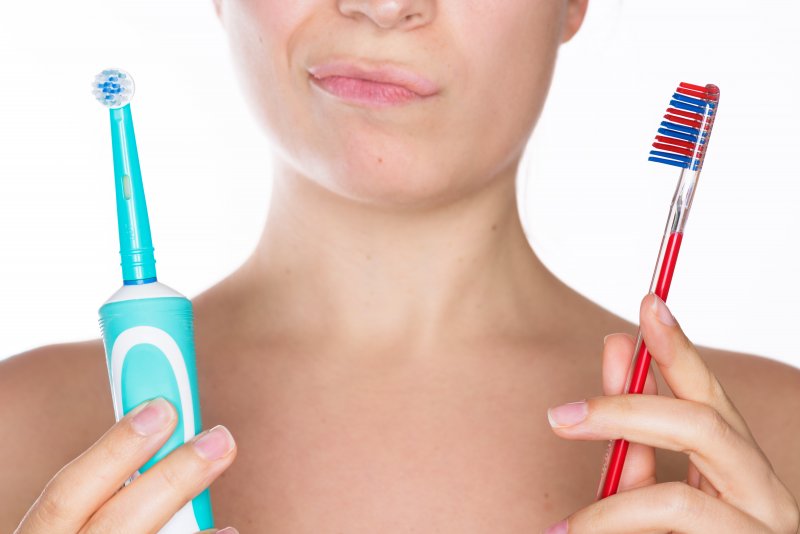
The best toothbrush isn’t necessarily the most expensive one. What matters is how effectively—and how gently—you use it.
Walk into almost any store and you’ll find dozens of toothbrush choices. Some people swear by their electric toothbrush, while others have used a manual toothbrush for decades.
So, which one is actually better for your teeth and gums?
The answer is: it depends.
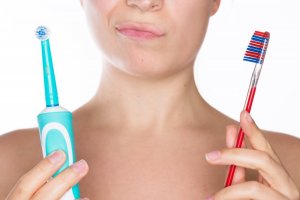
Both electric and manual toothbrushes can effectively remove plaque when used correctly. However, an electric toothbrush may offer advantages for certain people, particularly those who have difficulty maintaining consistent brushing technique.
Electric Toothbrushes: Where They May Have an Advantage
Electric toothbrushes do much of the brushing movement for you. Many models also include timers and pressure sensors.
Research has generally found that powered toothbrushes can provide a modest improvement in plaque removal and reduction of gingivitis compared with manual brushing.
They may be particularly helpful for people who:
- Have difficulty with brushing technique
- Have braces or other orthodontic appliances
- Have limited hand or wrist mobility
- Tend to brush too quickly
- Have difficulty maintaining consistent brushing pressure
- Need help brushing for the recommended amount of time
A built-in timer can also be useful because many people simply don’t brush long enough.
But More Power Isn’t Always Better
One common misconception is that a more powerful toothbrush automatically means cleaner teeth.
It doesn’t.
Aggressive brushing can contribute to gum irritation and tooth wear.
The goal is not to scrub your teeth as hard as possible. The goal is to remove plaque effectively while protecting the gums and tooth surfaces.
If you use an electric toothbrush, let the brush do the work. A pressure sensor can be especially helpful if you tend to brush aggressively.
Manual Toothbrushes Can Still Be Excellent
Don’t underestimate a good manual toothbrush.
A soft-bristled manual toothbrush, combined with proper technique and adequate brushing time, can be highly effective.
Manual brushes also have some practical advantages:
- They are inexpensive.
- They don’t require charging or batteries.
- They are easy to travel with.
- You control the brushing movement and pressure.
For someone with excellent brushing technique and consistent oral-hygiene habits, switching to an electric toothbrush isn’t necessarily going to transform their oral health.
What About Sensitive Teeth or Receding Gums?
This is where technique becomes particularly important.
If you have gum recession, exposed root surfaces, or tooth sensitivity, aggressive brushing can make the problem worse.
Choose a soft-bristled brush and use gentle pressure. With an electric toothbrush, avoid pressing the brush forcefully against the teeth.
If you have significant gum recession or sensitivity, ask your dentist or periodontist to evaluate the cause rather than simply changing toothbrushes.
The Toothbrush Is Only One Part of the Equation
Even the best toothbrush cannot clean every area of your mouth.
Plaque and bacteria accumulate between teeth and along the gumline—areas that brushing alone may not adequately clean.
Your daily routine should also include cleaning between your teeth with floss or another interdental cleaning method recommended by your dental professional.
Regular professional dental and periodontal examinations are also important, particularly if you have a history of gum disease.
So, Which Should You Choose?
Choose the toothbrush you can use consistently, correctly, and gently.
An electric toothbrush may be the better choice if you need help with brushing technique, timing, or pressure. A manual toothbrush can be an excellent choice if you have good technique and maintain consistent oral-hygiene habits.
Ultimately, the goal isn’t to have the fanciest toothbrush.
The goal is healthy teeth, healthy gums, and effective daily plaque control.
And if you’re unsure which toothbrush is right for you, ask your dentist or periodontist to evaluate your brushing technique and your individual periodontal needs.
About the Author
Dr. Jin Eslami, DDS, MS, is a board-certified periodontist with over 30 years of experience in periodontal disease treatment, dental implants, and advanced bone regeneration. Based in Rancho Santa Margarita, she specializes in complex cases involving severe gum disease and full-arch implant rehabilitation. Dr. Eslami is a strong advocate for the connection between oral health and systemic conditions, including cardiovascular disease and cancer.
To learn more or schedule a consultation, contact Dr. Eslami’s office for expert periodontal and implant care.
Orange County Oral Surgery & Periodontics
Phone: 949-888-0332
Website: https://www.ocosperio.com/
ow advanced platelet rich fibrin (APRF) rebuilds gum and bone around a failing tooth, and what to ask your dentist before you say yes to an extraction
 Before You Extract a Failing Tooth: How Advanced PRF May Help Rebuild Gum and Bone
A failing tooth does not always mean a hopeless tooth. Before saying yes to extraction, ask whether regenerative periodontal treatment could give your natural tooth another chance.
When a tooth develops significant bone loss, gum recession, deep periodontal pockets, or an infection around the root, extraction is sometimes recommended. In certain situations, however, removing the tooth may not be the only option.
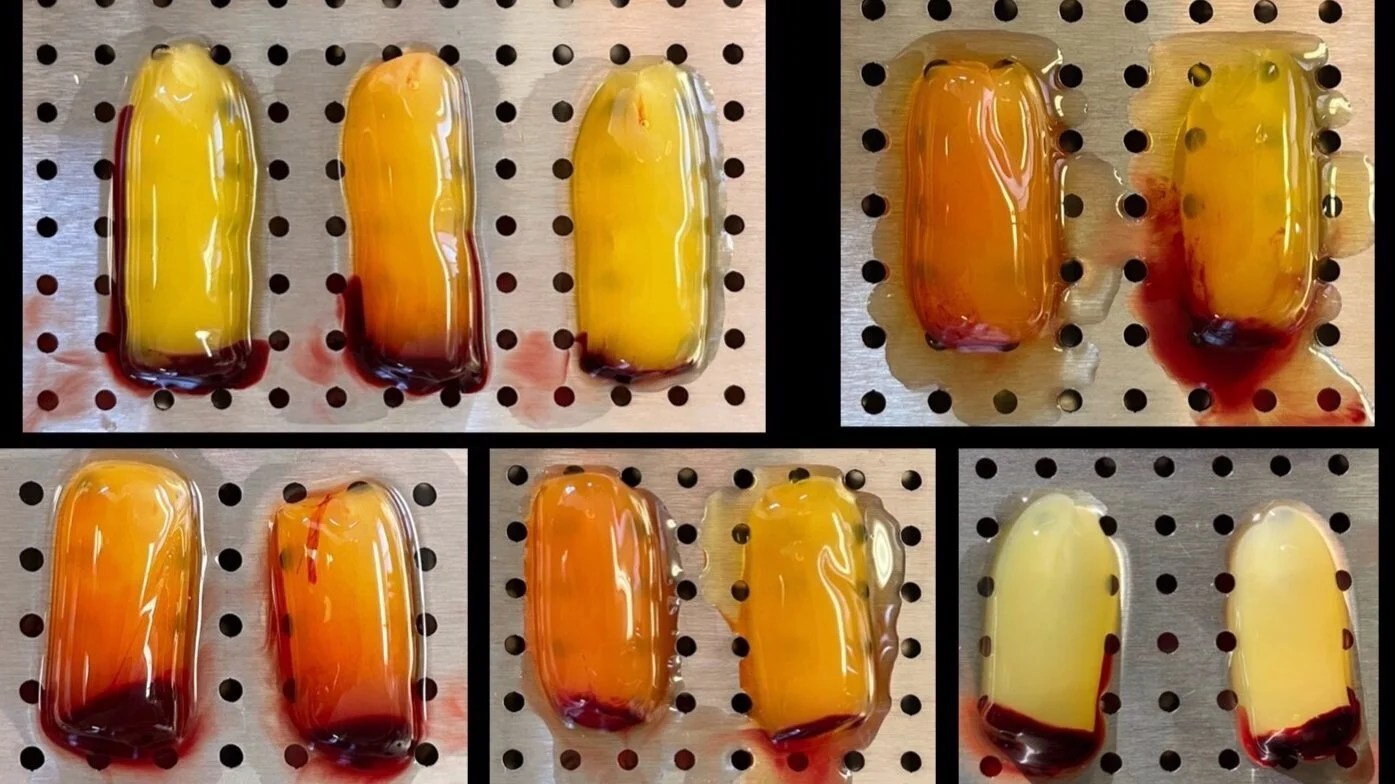
One regenerative approach that has gained attention in periodontal therapy is Advanced Platelet-Rich Fibrin (A-PRF). A-PRF is a blood-derived biomaterial prepared from a small sample of the patient’s own blood. It contains a fibrin matrix rich in platelets and various signaling molecules that may support the body’s natural healing and tissue-regeneration processes.
What Is Advanced PRF?
A-PRF is prepared by collecting a small amount of the patient’s blood and processing it to create a concentrated fibrin matrix.
Unlike a liquid injectable preparation, the fibrin matrix can act as a biologic scaffold at the surgical site. It may help support the healing environment while the body works to repair damaged tissues.
In periodontal procedures, A-PRF may be used in combination with other regenerative techniques, including bone grafting and guided tissue regeneration, depending on the condition being treated.
The goal is not simply to “fill a hole.” The objective is to create conditions that may allow the periodontal tissues surrounding the tooth to heal and, in carefully selected cases, regenerate.
How Can A-PRF Help Around a Failing Tooth?
Advanced PRF may contribute to healing in several ways.
1. It provides a fibrin scaffold
The fibrin network can provide a framework for cells involved in healing and may help stabilize the surgical area.
2. It contains biologically active substances
Platelets release growth factors and signaling molecules involved in wound healing. These substances may help support blood-vessel formation, tissue repair, and bone-healing processes.
3. It may support soft-tissue healing
Healthy gum tissue is essential for protecting the underlying bone and root surface. A-PRF may support soft-tissue healing following periodontal surgery.
4. It may complement bone-regeneration procedures
When there is a contained periodontal defect and the tooth still has a reasonable prognosis, A-PRF may be incorporated into a regenerative treatment approach. In some cases, it is combined with a bone graft or other regenerative materials.
Can PRF Actually Rebuild Lost Bone?
This is an important distinction.
A-PRF is not a magic material that automatically replaces lost bone.
Successful periodontal regeneration depends on many factors, including the type and shape of the bone defect, the amount of remaining supporting bone, infection control, tooth mobility, the condition of the root, oral hygiene, smoking status, systemic health, and the patient’s ability to maintain the area after treatment.
Research suggests that platelet concentrates such as A-PRF can have beneficial effects when used as an adjunct to periodontal regenerative procedures. However, results vary, and regenerative treatment cannot predictably save every severely compromised tooth.
That is why a careful periodontal evaluation is so important before making an irreversible decision.
What Should You Ask Before Agreeing to an Extraction?
If someone recommends removing a tooth because of bone loss or periodontal disease, consider asking:
1. Is the tooth truly hopeless?
Ask what specifically makes the tooth non-restorable or non-maintainable.
2. How much supporting bone remains?
A periodontal examination and appropriate imaging can help determine the extent and pattern of bone loss.
3. What type of bone defect do I have?
Some defects are much more favorable for regeneration than others.
4. Could regenerative periodontal treatment be considered?
Ask whether A-PRF, bone grafting, guided tissue regeneration, or another approach could be appropriate.
5. What is the prognosis if we try to save the tooth?
Ask for an honest discussion of the likelihood of maintaining the tooth—not simply whether treatment is technically possible.
6. What happens if we extract it?
Extraction may solve the immediate problem, but replacing a tooth can involve additional procedures and long-term maintenance.
7. Should I see a periodontist before making the decision?
For teeth with significant periodontal bone loss, an evaluation by a periodontist can provide another perspective before an irreversible extraction.
Saving a Natural Tooth Can Be Worth Exploring
There are situations where extraction is clearly the appropriate treatment. A tooth may be fractured, severely decayed, non-restorable, or have so little remaining support that regeneration is unlikely to succeed.
But severe bone loss does not automatically mean that every tooth must be removed.
Modern periodontal therapy has moved beyond simply treating infection. In appropriately selected cases, regenerative procedures aim to restore some of the tissues that have been lost.
A-PRF is one of several biologic tools periodontists may use to support this healing process.
The Bottom Line
Before saying goodbye to a failing tooth, make sure you understand why it is considered hopeless and whether there is a realistic regenerative option.
Advanced PRF may help create a favorable healing environment for gum and bone regeneration, particularly when combined with appropriate periodontal surgical techniques. It is not a guaranteed solution, but for the right patient and the right defect, it may be part of an effort to preserve the natural tooth.
If you have been told that a tooth needs to be extracted because of periodontal bone loss, consider getting a periodontal evaluation before making an irreversible decision. Sometimes the most important question is not “How do we replace this tooth?” but “Is there a reasonable way to save the tooth I already have?”
About the Author
Dr. Jin Eslami, DDS, MS, is a board-certified periodontist with over 30 years of experience in periodontal disease treatment, dental implants, and advanced bone regeneration. Based in Rancho Santa Margarita, she specializes in complex cases involving severe gum disease and full-arch implant rehabilitation. Dr. Eslami is a strong advocate for the connection between oral health and systemic conditions, including cardiovascular disease and cancer.
To learn more or schedule a consultation, contact Dr. Eslami’s office for expert periodontal and implant care.
Orange County Oral Surgery & Periodontics
Phone: 949-888-0332
Website: https://www.ocosperio.com/
The Mouth–Brain Connection: How Better Oral Health May Help Protect Cognitive Function
The Mouth–Brain Connection: How Better Oral Health May Help Protect Cognitive Function
For years, oral health has been viewed primarily as a matter of protecting teeth and gums. But a growing body of research suggests that what happens in the mouth may also be connected to what happens in the brain.
Recent research is drawing increasing attention to the relationship between oral health, periodontal disease, tooth loss, and cognitive decline. While scientists are still working to determine whether poor oral health directly contributes to dementia, the evidence is strong enough to make oral care an important part of healthy aging.
Your Mouth and Brain May Be More Connected Than We Think
The mouth is home to hundreds of species of bacteria. When plaque and periodontal inflammation are not adequately controlled, harmful bacteria and inflammatory molecules can persist in the oral tissues.
Periodontal disease is a chronic inflammatory condition. Inflammation in the mouth can contribute to systemic inflammatory activity, which is one of several pathways researchers are investigating in connection with cognitive health.
A 2026 study from the Baltimore Longitudinal Study of Aging followed 756 adults who were free of cognitive impairment at the beginning of the study. Researchers found that greater tooth loss was associated with faster decline across several cognitive domains, including memory, attention, executive function, language, and visuospatial ability. Dental plaque was also associated with declines in memory and executive function.
These findings do not prove that periodontal disease or tooth loss causes dementia. However, they reinforce the importance of taking oral health seriously as we age.
Toothbrushing May Be More Important Than We Realize
A systematic review and meta-analysis examining oral hygiene behaviors found an association between toothbrushing and slower cognitive decline. The review included eight studies involving more than 261,000 participants and found that toothbrushing was associated with better global cognitive outcomes over time.
Interestingly, the evidence suggests that maintaining oral hygiene can remain important even when a person is already experiencing cognitive impairment.
For individuals with dementia, however, oral hygiene can become increasingly difficult. Forgetfulness, difficulty following routines, reduced dexterity, and lack of awareness of oral problems may all interfere with daily brushing and professional dental care.
This is why caregivers and family members can play an important role in maintaining oral hygiene.
Periodontal Health Deserves Special Attention
Periodontal disease is not simply a problem of bleeding gums. Advanced periodontal disease can lead to destruction of the tissues and bone supporting the teeth and ultimately tooth loss.
Research has increasingly explored whether chronic periodontal inflammation may be associated with cognitive impairment. A systematic review of oral-health interventions in people with dementia concluded that oral hygiene care may have a positive role in maintaining cognition, although the evidence remains limited and additional research is needed.
That distinction is important: we should not tell patients that treating gum disease will prevent Alzheimer’s disease or dementia. Instead, we should recognize oral health as one potentially modifiable component of overall healthy aging.
Protecting the Teeth May Also Protect Quality of Life
There is another important connection: chewing ability.
Maintaining a functional dentition allows people to chew comfortably and maintain a more varied diet. A 2025 longitudinal study found that older adults with better oral health and good chewing ability had a lower risk of developing cognitive impairment or dementia during follow-up.
Preserving natural teeth, treating periodontal disease, replacing teeth when appropriate, and maintaining good oral hygiene may therefore contribute to overall health, nutrition, independence, and quality of life.
Don’t Wait Until Oral Problems Become Severe
As people age, routine dental and periodontal examinations become increasingly important.
A comprehensive prevention strategy should include:
- Brushing thoroughly twice a day
- Cleaning between the teeth every day
- Controlling dental plaque
- Maintaining healthy periodontal tissues
- Regular professional dental examinations
- Treating periodontal disease early
- Monitoring for tooth mobility and tooth loss
- Helping older adults who have difficulty maintaining their own oral hygiene
- Maintaining the ability to chew comfortably
For patients with cognitive impairment, caregivers should pay particular attention to changes in oral hygiene, bleeding gums, bad breath, loose teeth, difficulty chewing, or changes in eating habits.
Could Protecting Your Mouth Help Protect Your Brain?
We don’t have enough evidence to say that good oral care prevents dementia. But the relationship between oral health and cognitive health is becoming increasingly difficult to ignore.
The newest research suggests that tooth loss, dental plaque, periodontal symptoms, oral hygiene, and chewing ability may all be connected with cognitive health in older adults.
That gives us another reason to think about periodontal care differently.
Taking care of your gums isn’t only about keeping your smile healthy. It may also be an important part of protecting your overall health and maintaining independence as you age.
A healthy mouth may be one more piece of the healthy-aging puzzle.
About the Author
Dr. Jin Eslami, DDS, MS, is a board-certified periodontist with over 30 years of experience in periodontal disease treatment, dental implants, and advanced bone regeneration. Based in Rancho Santa Margarita, she specializes in complex cases involving severe gum disease and full-arch implant rehabilitation. Dr. Eslami is a strong advocate for the connection between oral health and systemic conditions, including cardiovascular disease and cancer.
To learn more or schedule a consultation, contact Dr. Eslami’s office for expert periodontal and implant care.
Orange County Oral Surgery & Periodontics
Phone: 949-888-0332
Website: https://www.ocosperio.com/