
Failing Dental Implants: Why Removal Isn’t Always the Answer
Failing Dental Implants: Why Removal Isn’t Always the Answer
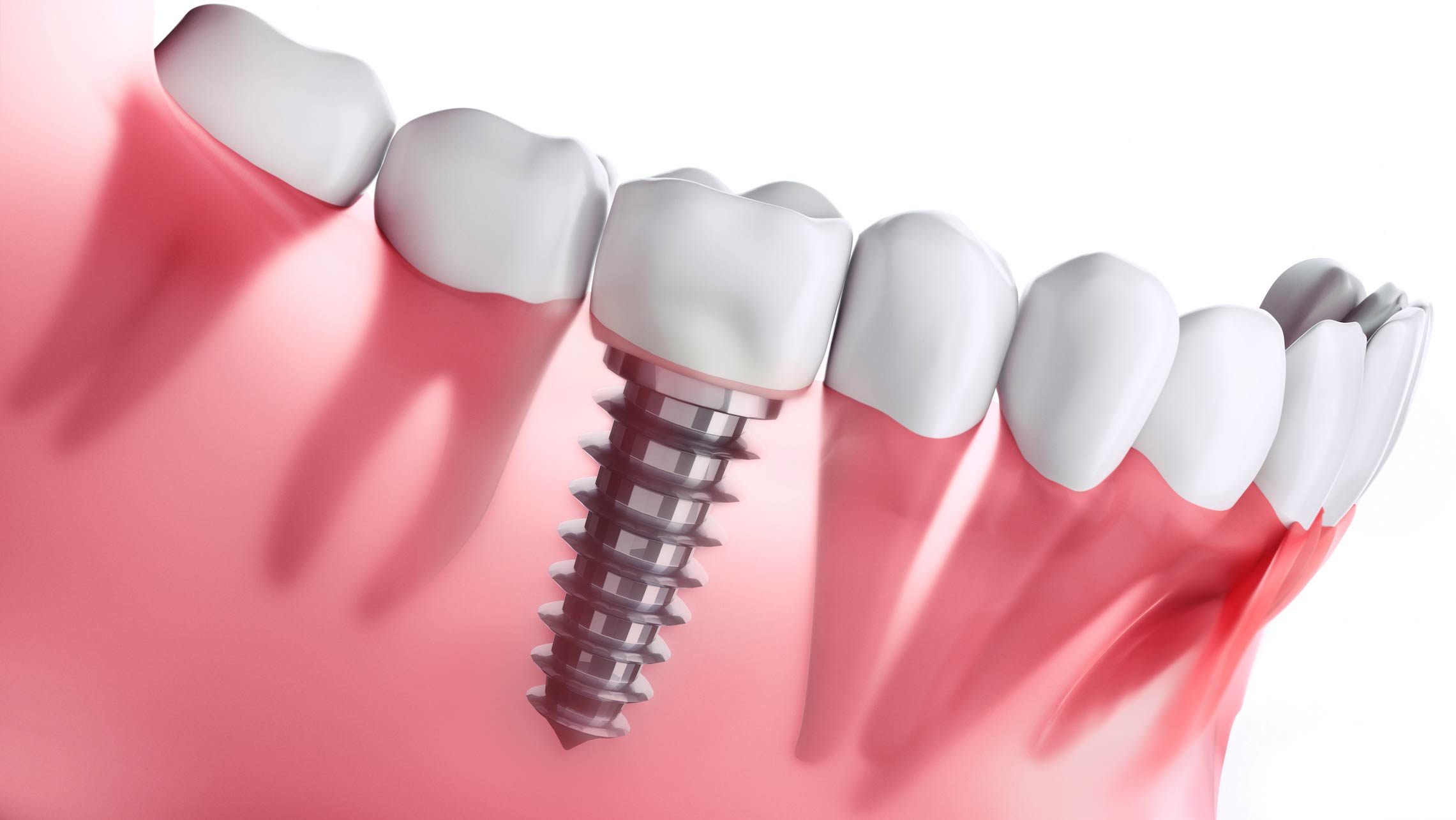
Dental implants have transformed the way we replace missing teeth, offering patients a durable and highly successful long-term solution. While implant success rates are exceptionally high, implants are not immune to complications. One of the most common concerns patients hear is that a “failing implant” must be removed immediately. Fortunately, that is not always the case.
Advances in periodontal treatment and implant maintenance have made it possible to save many implants that would have previously been considered hopeless. The key lies in early diagnosis, proper professional care, and effective home maintenance.
Understanding Why Implants Fail
Implant complications generally fall into two categories:
Peri-Implant Mucositis
This is inflammation of the soft tissues surrounding an implant. Similar to gingivitis around natural teeth, it is often reversible when detected early.
Peri-Implantitis
This is a more advanced condition involving inflammation and progressive bone loss around the implant. If left untreated, peri-implantitis can eventually lead to implant failure.
Research has consistently shown that bacterial biofilm is the primary cause of peri-implant disease. Just as plaque can lead to gum disease around natural teeth, bacterial accumulation around implants can trigger inflammation and bone destruction.
Not Every Failing Implant Needs to Be Removed
One of the biggest misconceptions in dentistry is that bone loss around an implant automatically means extraction.
In reality, many implants can be successfully treated and maintained when intervention occurs before severe structural damage develops. Modern periodontal therapies can often:
- Reduce inflammation
- Eliminate bacterial biofilm
- Stabilize bone loss
- Regenerate lost tissue in select cases
- Extend implant longevity for many years
As a board-certified periodontist, I have seen numerous implants that appeared compromised but were successfully maintained through proper treatment and meticulous home care.
The earlier peri-implant disease is detected, the greater the likelihood of preserving the implant.
The Challenge of Cleaning Around Implants
Implants present unique maintenance challenges. Unlike natural teeth, implants lack the same connective tissue attachment and blood supply that help protect against bacterial invasion.
This means that even small amounts of plaque accumulation can have significant consequences.
Unfortunately, many traditional cleaning devices may not be ideal for implant maintenance. Metal instruments can scratch implant surfaces during professional treatment. Even microscopic scratches can create roughened areas that attract bacterial colonization and biofilm accumulation.
The goal is simple: remove harmful bacteria without damaging the implant surface.
How DEREK SONIC Supports Implant Health
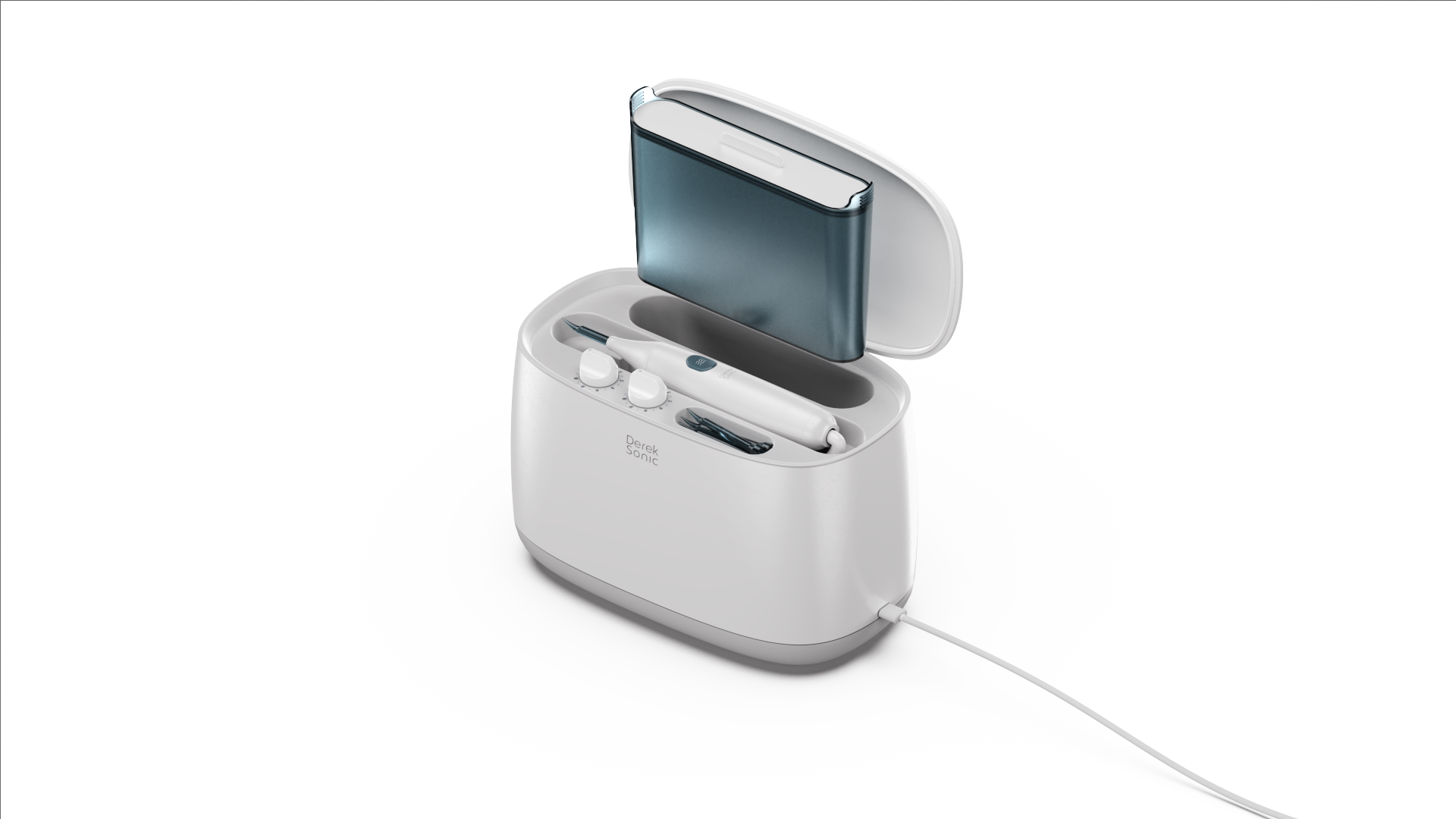
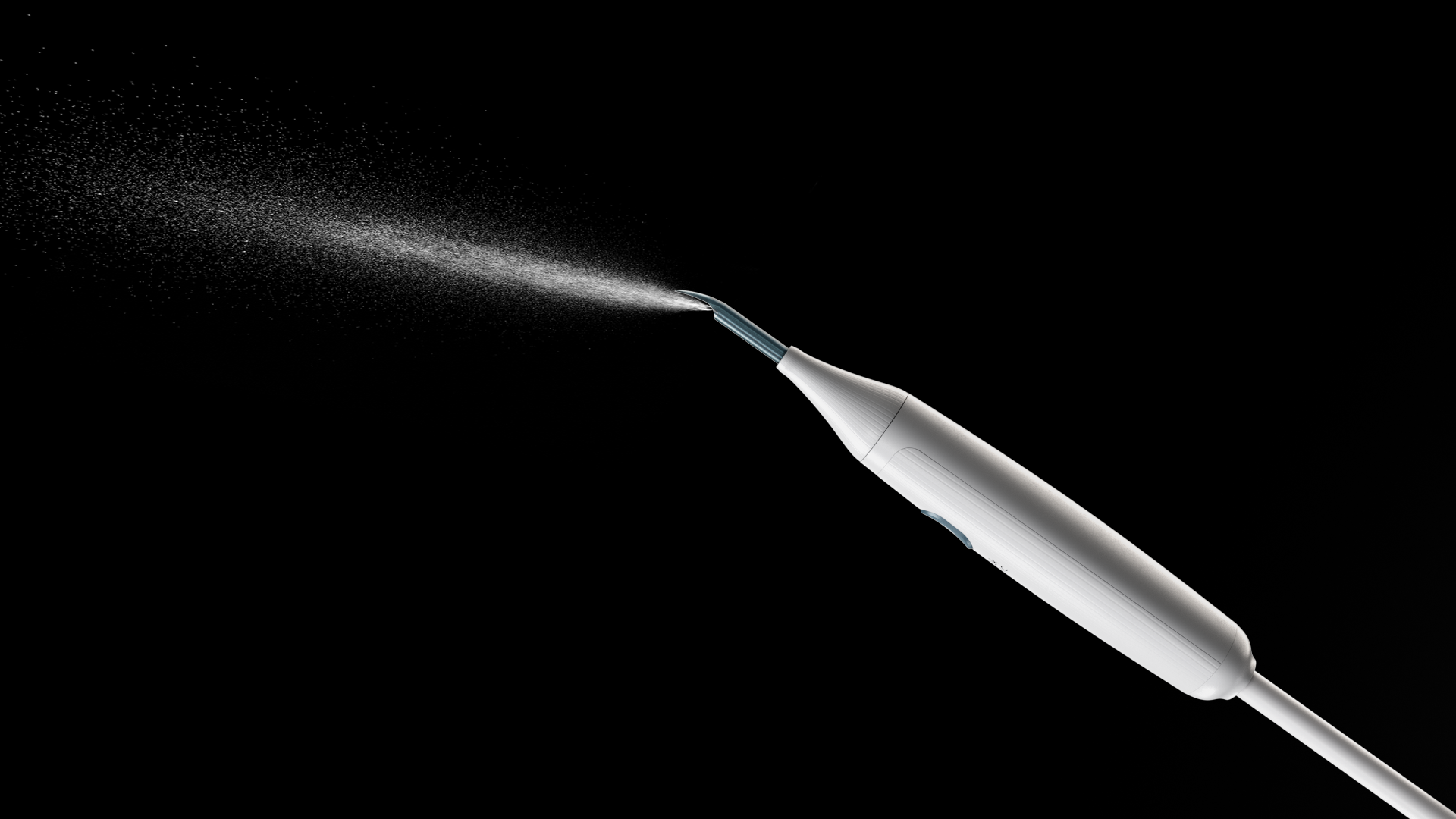
DEREK SONIC was developed by a board-certified periodontist with over 27 years of clinical experience to address one of the greatest challenges in periodontal and implant maintenance: effective biofilm disruption without causing damage.
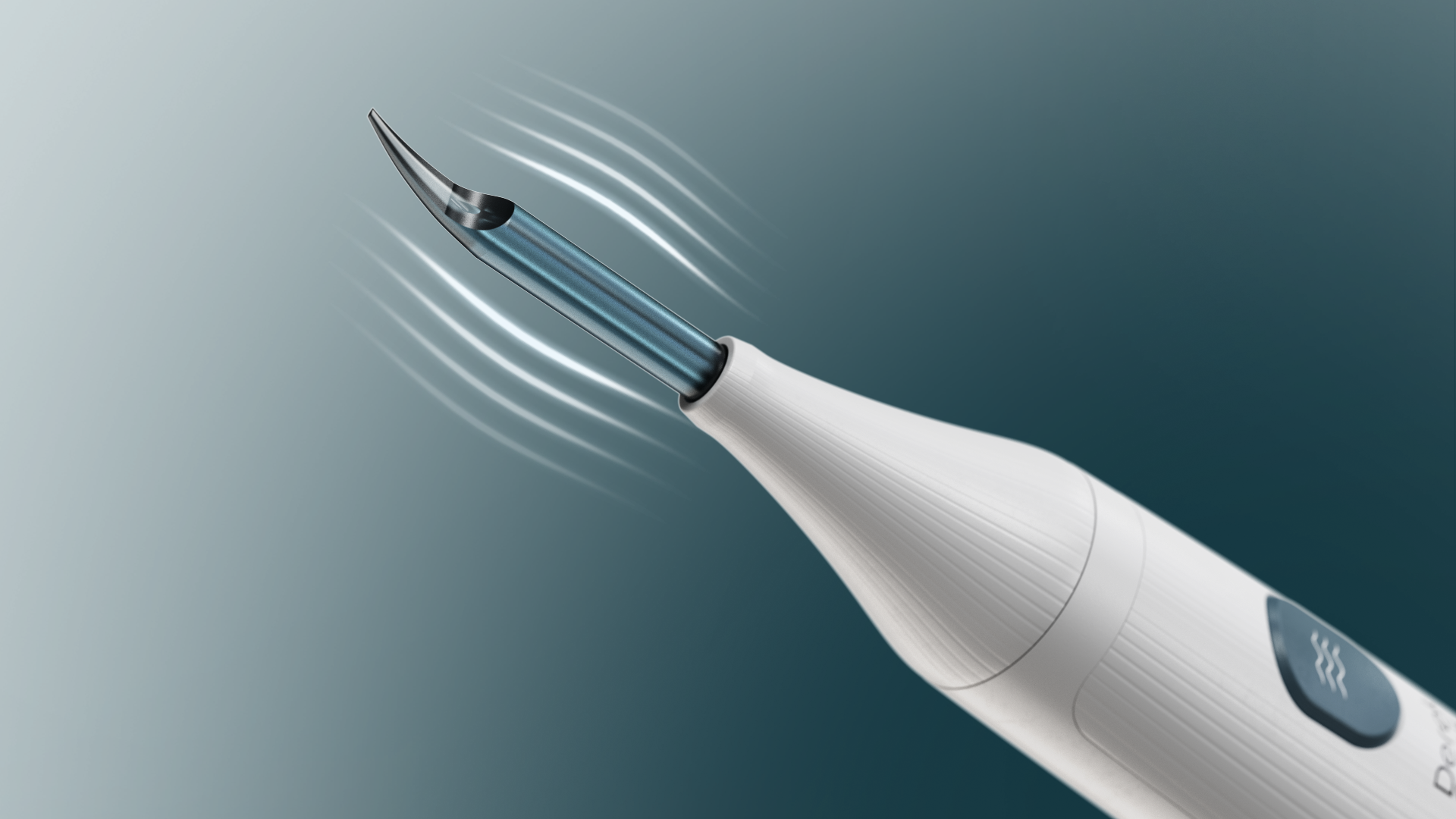
The system utilizes a specially designed vibrating plastic tip combined with irrigation technology to help clean around implants and periodontal pockets.
Why the Plastic Tip Matters
Unlike metal instruments that may scratch titanium implant surfaces, the DEREK SONIC plastic tip is specifically designed to be implant-friendly.
Benefits include:
- Gentle contact with implant surfaces
- Reduced risk of surface scratching
- Effective disruption of bacterial biofilm
- Simultaneous irrigation to flush debris and bacteria
- Improved access around implants and difficult-to-reach areas
Maintaining a smooth implant surface is critical because roughened or damaged surfaces can become ideal reservoirs for bacterial colonization.
Vibration Plus Irrigation
The combination of mechanical vibration and irrigation creates a powerful cleaning action.
As the tip vibrates, it helps disrupt bacterial biofilm that adheres to implant surfaces and surrounding tissues. Simultaneously, irrigation helps flush bacteria, food particles, and inflammatory debris from areas that conventional brushing may not effectively reach.
This dual-action approach supports healthier tissues and may help reduce the bacterial burden associated with peri-implant disease.
Prevention Is Always Better Than Treatment
While modern periodontal therapies can often save compromised implants, prevention remains the most effective strategy.
Patients with implants should:
- Maintain excellent daily oral hygiene
- Attend regular periodontal maintenance visits
- Monitor for bleeding, swelling, or discomfort
- Seek evaluation immediately if symptoms develop
- Use home-care technologies designed to support implant health
The future of implant dentistry is not simply placing implants—it is helping patients keep them healthy for decades.
The Bottom Line
A diagnosis of peri-implant disease does not automatically mean an implant must be removed. Many failing implants can be stabilized and maintained through early intervention, professional periodontal care, and effective home maintenance.
The battle against implant disease is ultimately a battle against bacterial biofilm. Technologies such as DEREK SONIC provide a unique approach by combining vibration and irrigation while utilizing an implant-friendly plastic tip designed to avoid scratching implant surfaces.
For patients who have invested in dental implants, protecting that investment requires more than treatment—it requires a commitment to prevention, maintenance, and innovative technologies that support long-term implant health.
 About the Author
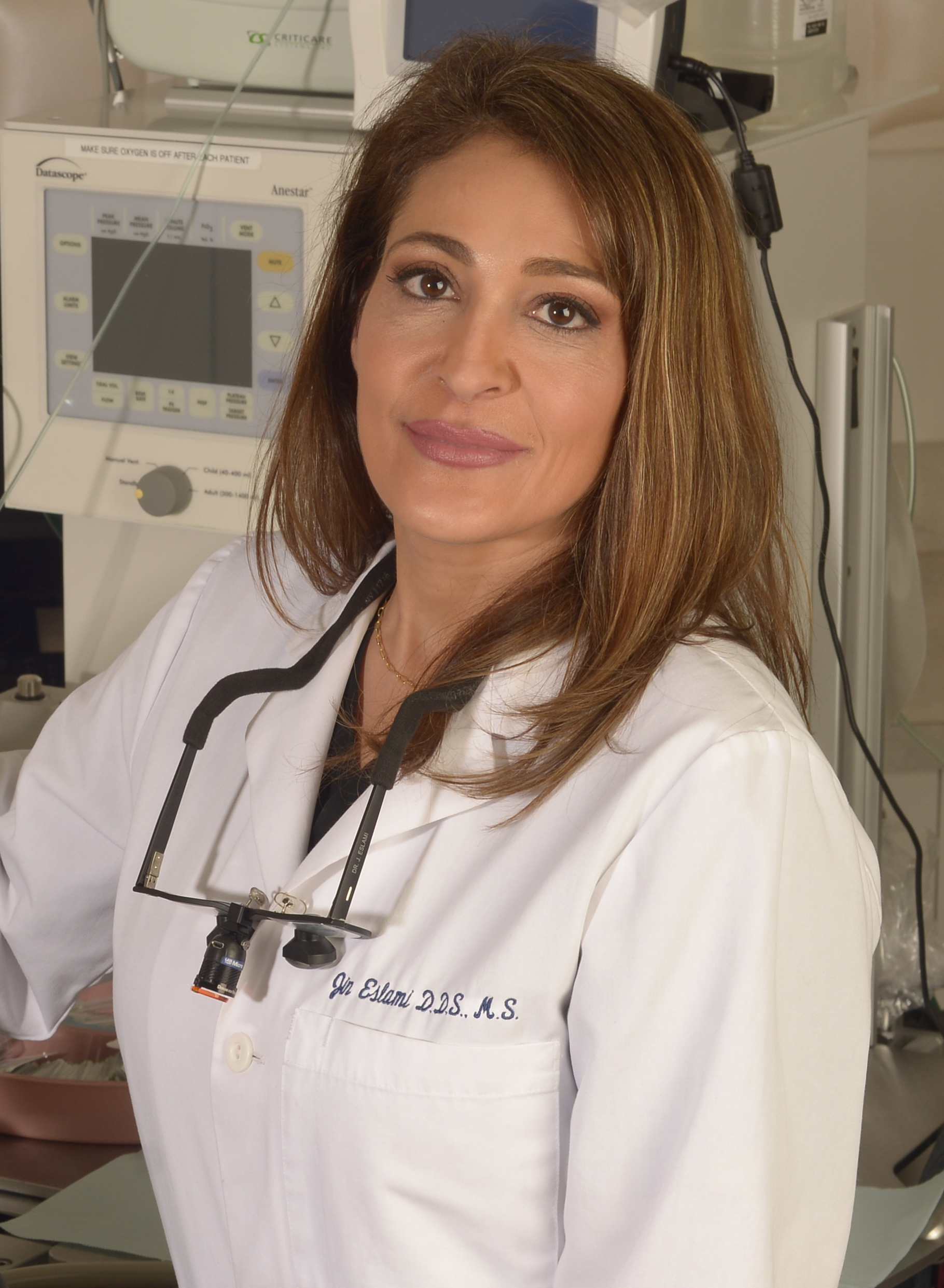
Dr. Jin Eslami, DDS, MS, is a board-certified periodontist with over 30 years of experience in periodontal disease treatment, dental implants, and advanced bone regeneration. Based in Rancho Santa Margarita, she specializes in complex cases involving severe gum disease and full-arch implant rehabilitation. Dr. Eslami is a strong advocate for the connection between oral health and systemic conditions, including cardiovascular disease and cancer.
To learn more or schedule a consultation, contact Dr. Eslami’s office for expert periodontal and implant care.
Orange County Oral Surgery & Periodontics
Phone: 949-888-0332
Website: https://www.ocosperio.com/
Comments are closed.