
Peptides and Oral Health
Peptides and Oral Health: The Future of Healthier Gums and Faster Healing
In recent ye ars, peptides have gained attention for their remarkable ability to support healing throughout the body. Now, researchers are exploring how these naturally occurring molecules may transform the way we treat gum disease, oral wounds, and even dental implants.
What Are Peptides?
Peptides are short chains of amino acids—the building blocks of proteins—that act as signaling molecules within the body. They help regulate numerous biological processes, including:
- Tissue repair
- Immune function
- Inflammation
- Collagen production
- Cellular communication
Because peptides work by encouraging the body’s natural healing mechanisms, they have become an exciting area of regenerative medicine.
How Could Peptides Improve Oral Health?
1. Reducing Gum Inflammation
Chronic inflammation is the driving force behind periodontal disease. When harmful bacteria accumulate around the gums, the body’s immune response can begin destroying the very bone and connective tissue that support the teeth.
Certain therapeutic peptides appear capable of helping regulate excessive inflammation rather than simply suppressing it. By reducing destructive inflammatory responses, they may help preserve healthy gum tissue while allowing normal healing to occur.
2. Promoting Faster Healing After Dental Procedures
Healing after procedures such as gum grafting, periodontal surgery, extractions, or implant placement depends on rapid tissue regeneration.
Researchers are studying peptides that may:
- Stimulate new blood vessel formation
- Increase collagen production
- Accelerate soft tissue repair
- Improve wound healing
Although more clinical studies are needed, early research suggests peptides may one day become valuable adjuncts to periodontal therapy.
3. Supporting Bone Regeneration
One of the greatest challenges in periodontics is rebuilding bone that has been lost from advanced gum disease.
Several experimental peptides are being investigated for their ability to stimulate bone-forming cells while limiting bone breakdown. If these therapies continue to show promise, they could enhance bone grafting procedures and improve long-term tooth support.
4. Fighting Harmful Oral Bacteria
Unlike traditional antibiotics, some naturally occurring antimicrobial peptides can attack harmful bacteria while helping preserve the balance of beneficial microbes.
Researchers are evaluating antimicrobial peptides as potential treatments for:
- Periodontal disease
- Peri-implantitis
- Oral ulcers
- Biofilm formation around teeth and implants
This approach may become increasingly important as antibiotic resistance continues to grow.
5. Improving Dental Implant Success
Healthy gums surrounding dental implants are essential for long-term success.
Future peptide therapies may help:
- Reduce inflammation around implants
- Encourage faster soft tissue attachment
- Support bone integration
- Lower the risk of peri-implant disease
While these treatments remain under investigation, regenerative dentistry is rapidly evolving.
Peptides Are Not a Replacement for Good Oral Hygiene
Even the most advanced regenerative therapies cannot overcome daily plaque accumulation.
The bacteria responsible for gum disease begin forming biofilm within hours after brushing. Without effective daily removal, inflammation returns regardless of the treatment used.
That is why excellent home care remains the foundation of periodontal health.
Why Home Care Still Matters
As a board-certified periodontist, I often tell patients that professional treatment is only part of the solution. The real success happens at home every single day.
This is why I developed DEREK SONIC®.
Unlike traditional metal-powered devices, DEREK SONIC uses a specially designed soft polymer tip combined with sonic vibration and water irrigation to gently remove plaque while being comfortable for sensitive gums, exposed root surfaces, and dental implants.
Patients frequently report that their mouths feel professionally cleaned after using the device, making it easier to maintain the results achieved through periodontal treatment.
Whether future peptide therapies become part of routine dental care or not, controlling plaque every day will always remain the most effective way to prevent gum disease.
The Bottom Line
Peptides represent one of the most promising frontiers in regenerative dentistry. Their potential to reduce inflammation, encourage tissue healing, fight harmful bacteria, and stimulate bone regeneration could significantly improve the treatment of periodontal disease in the years ahead.
However, no breakthrough therapy can replace consistent oral hygiene. Healthy gums require daily plaque removal, regular professional care, and early treatment when problems arise.
The future of dentistry is likely to combine advanced regenerative treatments such as peptides with exceptional preventive care—giving patients the best opportunity to keep their natural teeth healthy for a lifetime.
About the Author
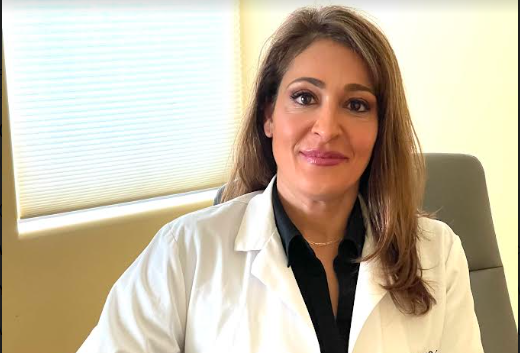 Dr. Jin Eslami, DDS, MS, is a board-certified periodontist with more than 30 years of experience treating periodontal disease and developing innovative approaches to preventive oral health. She is the creator of the DEREK SONIC® home oral hygiene system, designed to help patients achieve a professional-level clean while protecting sensitive teeth, gums, and dental implants.
Comments are closed.