

Should You Floss Before or After Brushing? The Right Order for a Healthier Smile
 Should You Floss Before or After Brushing? The Right Order for a Healthier Smile
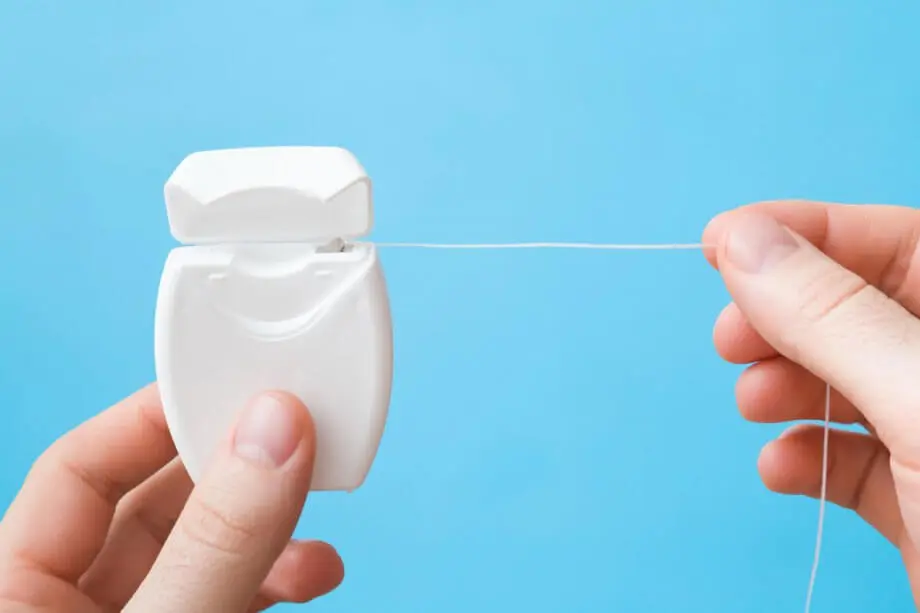
Do you floss before brushing your teeth or wait until afterward? It may seem like a minor detail in your daily routine, but the order of your oral hygiene habits can influence how effectively you remove plaque and keep your gums healthy.
The good news is that both brushing and flossing are important. However, research suggests that flossing before brushing may offer an advantage by helping loosen plaque and food debris between teeth before you brush.
For anyone looking to improve their oral health, understanding how these two habits work together is more important than simply following a routine by habit.
Why Flossing Before Brushing May Be Better
A study published in the Journal of Periodontology compared flossing before brushing with brushing before flossing in a group of participants. Researchers found that flossing first was associated with greater plaque reduction between teeth and higher fluoride retention after brushing.
Why might the order matter?
Flossing helps disrupt plaque and remove debris from areas a toothbrush cannot adequately reach. Brushing afterward can help clear away loosened debris while delivering fluoride toothpaste to the tooth surfaces.
This sequence may provide an advantage, particularly in the spaces between teeth, where plaque can accumulate unnoticed.
Although these findings support flossing first, they do not mean that flossing after brushing is ineffective. Consistent, proper interdental cleaning remains essential regardless of the order.
What Happens When You Skip Flossing?
Your toothbrush is designed to clean accessible tooth surfaces, but its bristles may not adequately clean the tight spaces between neighboring teeth.
When plaque remains in these areas, bacteria can contribute to inflammation of the gums. Early gum inflammation, known as gingivitis, may cause redness, swelling, and bleeding during brushing or flossing.
If periodontal disease develops and progresses, it can damage the tissues and bone supporting your teeth.
Flossing or using another suitable interdental cleaning tool helps address these hard-to-reach areas. For people with a history of gum disease, daily interdental cleaning is an important part of maintaining periodontal health.
The Best Order for Your Daily Oral Hygiene Routine
For a simple and effective routine, follow these steps:
1. Floss or clean between your teeth first.
Use dental floss for tight spaces or an appropriately sized interdental brush when the spaces between teeth allow it. Clean gently to avoid injuring your gums.
2. Brush for two minutes.
Use a soft-bristled toothbrush and fluoride toothpaste. Pay attention to the gumline, the inner surfaces of your teeth, and the back molars.
3. Spit out the toothpaste rather than rinsing immediately with water.
This helps avoid washing away much of the fluoride left behind by brushing. Follow any specific instructions provided by your dentist.
4. Clean your tongue as appropriate.
Gentle tongue cleaning can help reduce debris and contribute to fresher breath.
The most important point is consistency. A routine that you perform correctly every day is more beneficial than an ideal routine that you frequently skip.
What If You Have Dental Implants, Bridges, or Braces?
Not every mouth can be cleaned effectively with ordinary floss alone.
- Dental implants: Specially selected floss, interdental brushes, or other recommended tools can help clean around implant restorations. Keeping the surrounding tissues healthy is important for reducing the risk of peri-implant inflammation.
- Dental bridges: Floss threaders or specialized bridge-cleaning aids can help reach beneath the artificial tooth.
- Braces: Interdental brushes and orthodontic cleaning aids can help remove plaque around brackets and wires.
- Gum recession: Exposed root surfaces and larger spaces may require a different approach to interdental cleaning.
Ask your dentist or dental hygienist which tools are best for your particular situation.
Can Water Flossers Replace Traditional Floss?
Water flossers use a stream of water to help remove food debris and disrupt plaque around teeth and along the gumline. They can be especially helpful for some people with braces, dental implants, bridges, or difficulty using traditional floss.
Research supports water flossers as a useful interdental cleaning option, particularly for reducing gingival inflammation in certain populations. However, results vary, and the best choice depends on your oral health, dexterity, and the spaces between your teeth.
A water flosser may complement brushing and other cleaning methods, but it should not automatically be assumed to replace every form of interdental cleaning for every patient.
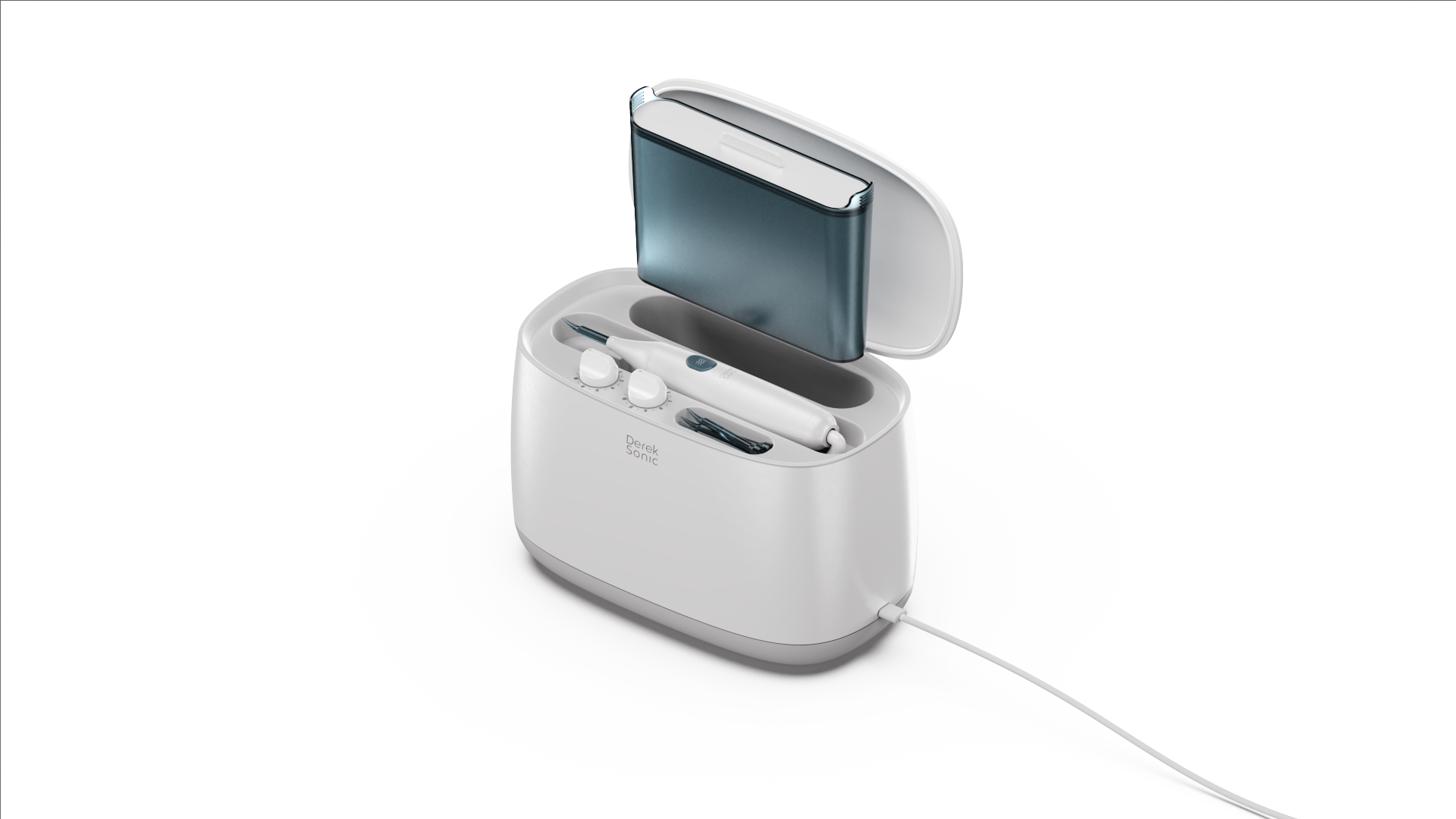 Derek Sonic is being developed as an at-home oral cleaning device combining sonic vibration and water irrigation. As with any emerging oral-care technology, its effectiveness for plaque removal and gum health should be established through appropriate testing and clinical evidence. It should complement, rather than replace, established preventive care and professional dental recommendations.
The Bottom Line: Floss First, Then Brush
If you want a straightforward approach, floss before brushing, brush twice daily for two minutes with fluoride toothpaste, and clean between your teeth every day.
Flossing first may help loosen plaque and allow brushing to clear away debris while delivering fluoride. But the best routine is ultimately one that you perform thoroughly and consistently.
Healthy gums depend on more than the order of your oral hygiene steps. Proper technique, regular dental visits, and early attention to signs of inflammation all play an important role.
A healthier smile starts between your teeth—not just on the surfaces you can see.
Educational disclaimer: This article is for informational purposes only and does not replace individualized dental advice, diagnosis, or treatment.
 About the Author
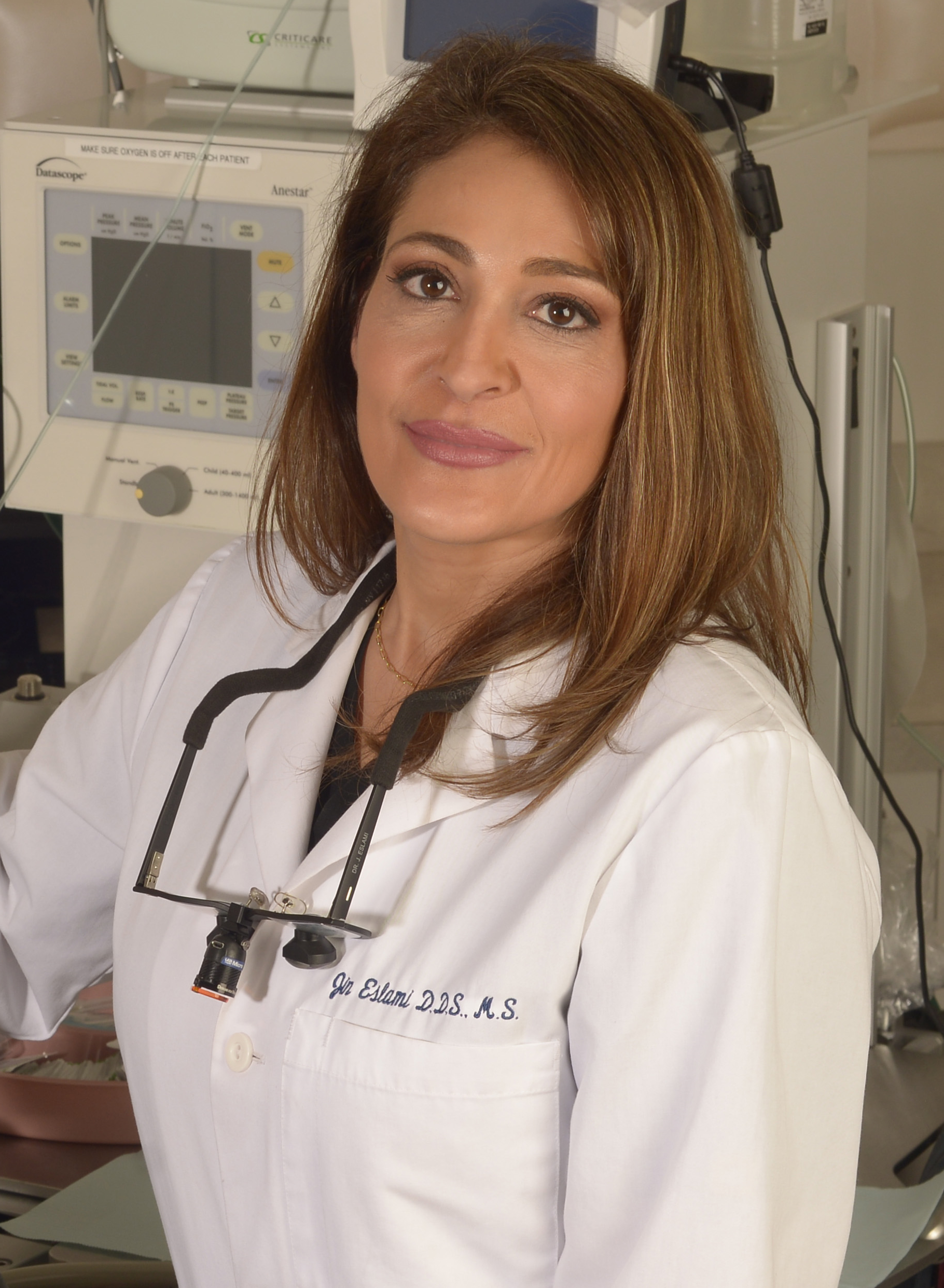
Dr. Jin Eslami, DDS, MS, is a board-certified periodontist with over 30 years of experience in periodontal disease treatment, dental implants, and advanced bone regeneration. Based in Rancho Santa Margarita, she specializes in complex cases involving severe gum disease and full-arch implant rehabilitation. Dr. Eslami is a strong advocate for the connection between oral health and systemic conditions, including cardiovascular disease and cancer.
To learn more or schedule a consultation, contact Dr. Eslami’s office for expert periodontal and implant care.
Orange County Oral Surgery & Periodontics
Phone: 949-888-0332
Website: https://www.ocosperio.com/
Comments are closed.