

Brushing for Two Minutes Doesn’t Guarantee Clean Teeth: What Your Toothbrush Might Be Missing
 Brushing for Two Minutes Doesn’t Guarantee Clean Teeth: What Your Toothbrush Might Be Missing
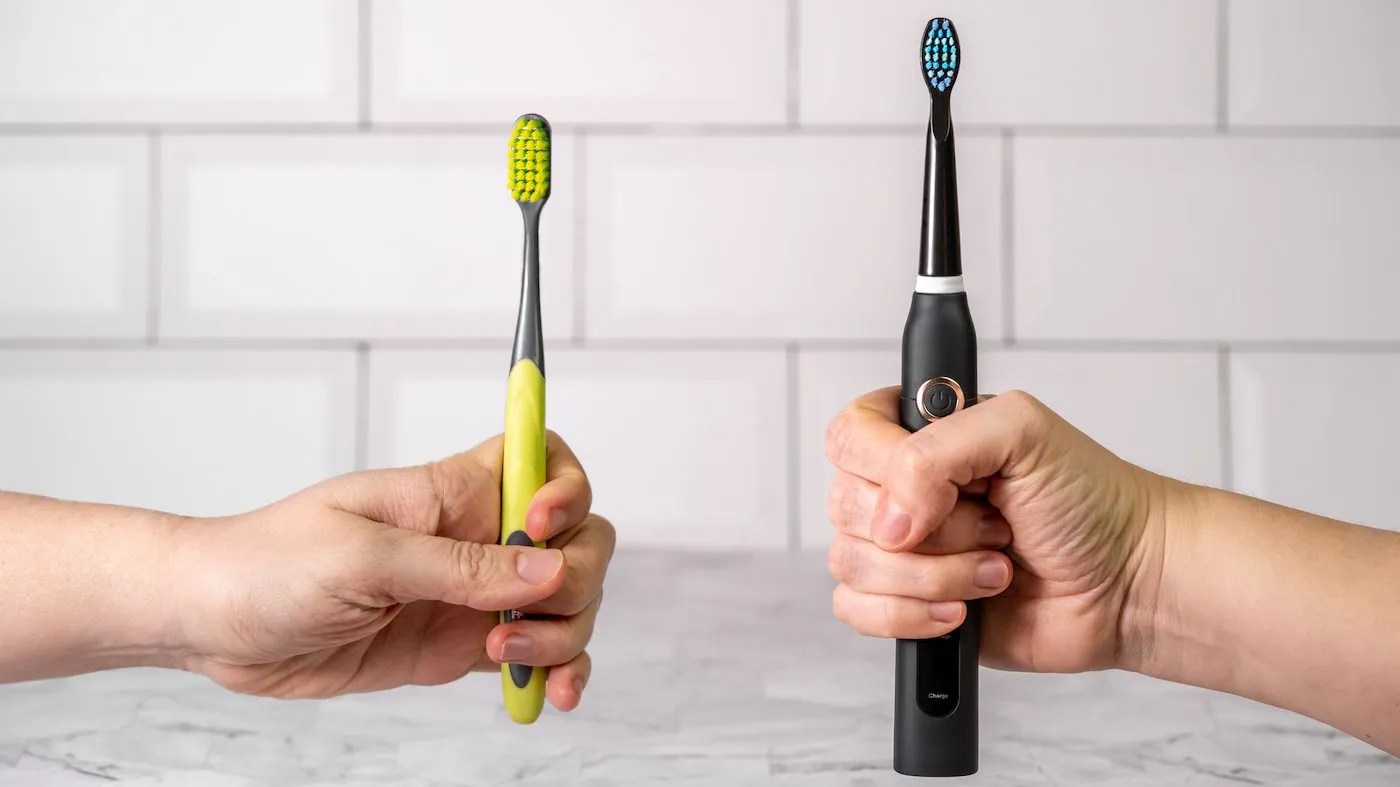
You brush twice a day. You follow the two-minute rule. You think you’re doing everything right. So why can plaque still build up around your teeth and gums?
Brushing for two minutes is an important part of maintaining oral health, but the time spent brushing is only one piece of the puzzle. Where you brush, how you brush, the tools you use, and how effectively you clean between your teeth can make a significant difference.
For people concerned about gum disease, the message is especially important: two minutes of brushing does not automatically mean two minutes of effective plaque removal.
The Two-Minute Rule: A Starting Point, Not a Guarantee
Dental professionals commonly recommend brushing for two minutes twice a day with fluoride toothpaste. This provides a practical framework for cleaning all tooth surfaces and helping prevent tooth decay.
However, a timer cannot tell you whether you have removed plaque along the gumline, reached the back surfaces of your molars, or cleaned the tight spaces between your teeth.
Someone can brush for two minutes and still miss important areas. Another person may use the same amount of time more effectively by following a consistent technique.
The goal is not simply to brush longer. It is to clean more thoroughly.
1. Plaque Hides Where Your Toothbrush Struggles to Reach
Dental plaque is a sticky biofilm made up of bacteria and other microorganisms that continually accumulate on teeth.
Although brushing removes plaque from accessible surfaces, certain areas are particularly easy to miss:
- Along the gumline, where plaque can contribute to gingivitis.
- Between teeth, where toothbrush bristles may not adequately reach.
- Behind the back molars.
- Around crowded or overlapping teeth.
- Around crowns, bridges, orthodontic appliances, and dental implants.
When plaque remains undisturbed, it can contribute to gum inflammation and, in susceptible individuals, periodontal disease. Plaque that hardens into tartar cannot be removed by ordinary brushing and generally requires professional cleaning.
The lesson? Brushing every surface you can easily see is not the same as cleaning every surface that matters.
2. Your Brushing Technique Matters More Than You Think
Brushing harder does not necessarily mean brushing better.
Aggressive brushing can irritate the gums and contribute to tooth wear, particularly when combined with excessive pressure or an abrasive toothpaste. At the same time, brushing too quickly or using poor technique may leave plaque behind.
For more effective cleaning:
- Use a soft-bristled toothbrush.
- Hold the brush at approximately a 45-degree angle toward the gumline.
- Use gentle, controlled movements.
- Clean the outer, inner, and chewing surfaces of every tooth.
- Pay particular attention to the gumline and the back teeth.
- Follow your toothbrush manufacturer’s instructions if using an electric brush.
An electric toothbrush with a built-in timer or pressure sensor may help some people improve consistency and avoid excessive pressure. However, no toothbrush automatically guarantees complete plaque removal.
3. Brushing Alone Cannot Properly Clean Between Every Tooth
One of the most overlooked parts of oral hygiene is interdental cleaning.
The spaces between teeth provide sheltered areas where plaque can accumulate beyond the reach of conventional toothbrush bristles. This is one reason dental professionals recommend cleaning between teeth daily.
Depending on the size of the spaces and your dental anatomy, useful options include:
- Dental floss for tight contacts between teeth.
- Interdental brushes for suitable spaces between teeth.
- Water flossers as an additional or alternative method for certain patients, depending on their needs and professional guidance.
Patients with bridges, braces, gum recession, or dental implants may benefit from specially selected cleaning aids.
There is no single tool that works best for everyone. Your dentist or dental hygienist can help you choose the right combination for your mouth.
4. Why Incomplete Plaque Removal Matters for Gum Health
Plaque is not merely a cosmetic concern. The bacteria within dental biofilm interact with the body’s immune system and can trigger inflammation in the surrounding gum tissue.
The earliest stage, gingivitis, commonly causes redness, swelling, and bleeding during brushing or flossing. With effective plaque control and appropriate professional care, gingivitis is often reversible.
If susceptible individuals develop periodontitis, the inflammation can damage the tissues and bone supporting the teeth. This damage may progress without significant pain, which is why regular dental and periodontal examinations matter even when teeth feel fine.
People with a history of periodontal disease, diabetes, tobacco exposure, or other risk factors may need more individualized preventive care.
The takeaway is simple: good oral hygiene is about controlling plaque consistently, not simply completing a timed brushing routine.
5. Dental Implants Need Attention, Too
Many people assume that dental implants cannot develop the same types of problems as natural teeth because implants are not susceptible to tooth decay.
While implants cannot develop cavities, the surrounding tissues can become inflamed.
Peri-implant mucositis is inflammation of the soft tissues around an implant. If the condition progresses to peri-implantitis, inflammation is accompanied by progressive loss of supporting bone.
Plaque control is an important part of preventing these complications. Patients with implants should clean around their restorations daily and attend professional maintenance visits at the intervals recommended by their dental team.
The shape and position of an implant restoration can also affect how easily the area can be cleaned. A professional can recommend appropriate brushes, flossing aids, or other tools based on the implant and restoration design.
6. Could Technology Help Improve Your Daily Cleaning Routine?
Oral hygiene technology continues to evolve, with electric toothbrushes, pressure sensors, water flossers, and other devices designed to make daily cleaning more effective or convenient.
One emerging approach combines mechanical cleaning with water irrigation.
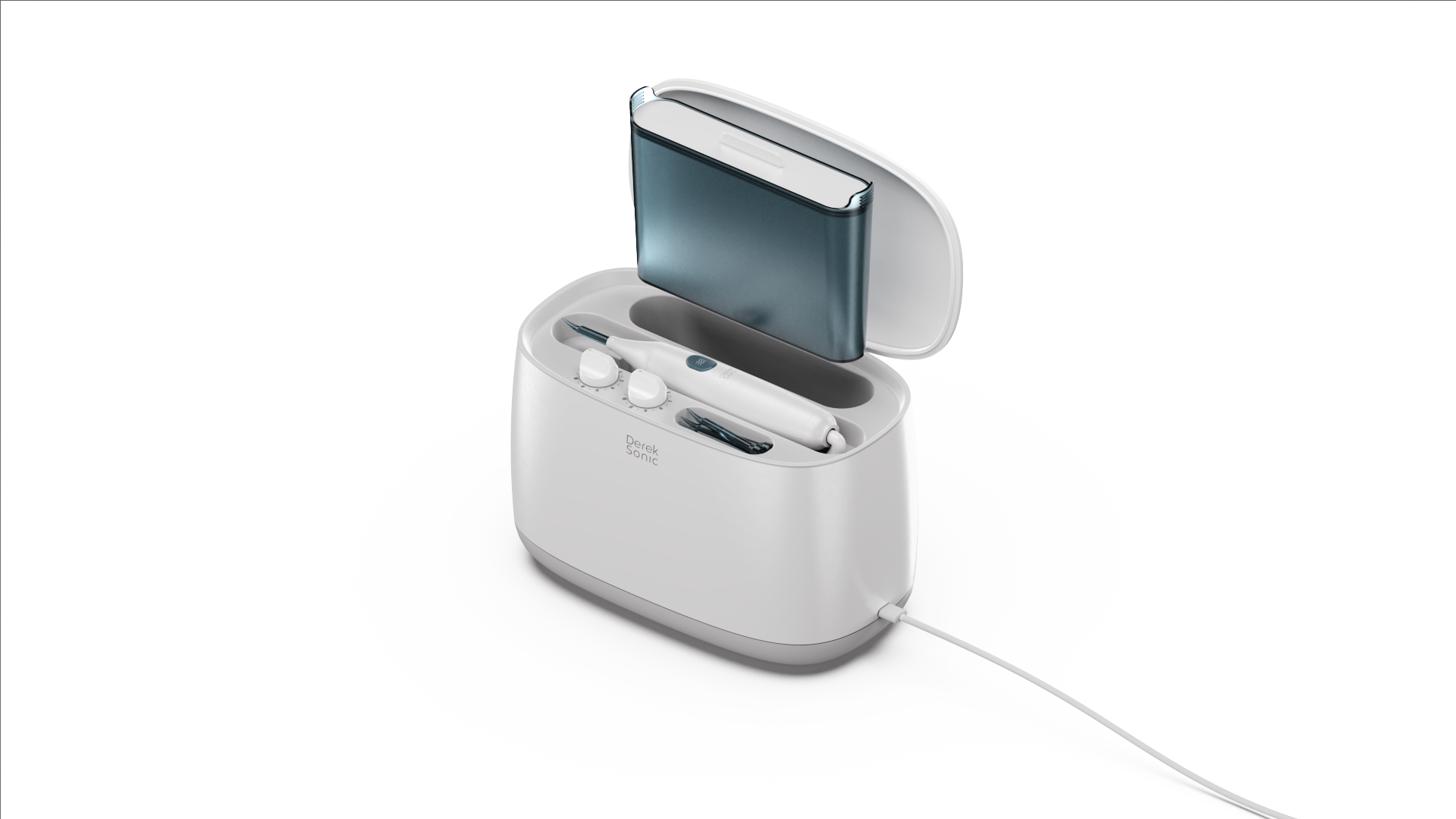
Derek Sonic is being developed as an at-home oral cleaning device that combines sonic vibration with water irrigation to help loosen and rinse away debris as part of a daily oral hygiene routine.
The concept reflects an important principle: effective oral care depends on both the cleaning action and the ability to reach areas where debris and plaque accumulate.
However, it is important to distinguish a promising design concept from proven clinical outcomes. A device’s ability to remove plaque, protect gum health, or help prevent periodontal disease must be established through appropriate testing and clinical evidence. No home-care device should be presented as a replacement for daily interdental cleaning, professional dental care, or periodontal treatment when needed.
The right tools should complement a consistent oral hygiene routine rather than create a false sense of security.
7. How to Make Your Two Minutes Count
You do not necessarily need to spend more time brushing. You need a routine that gives every area of your mouth the attention it deserves.
Try this simple approach:
Morning
- Brush for two minutes with fluoride toothpaste.
- Cover all tooth surfaces and pay attention to the gumline.
- Clean your tongue as appropriate.
Evening
- Brush for two minutes, taking care not to rush.
- Clean between your teeth with floss or another suitable interdental aid.
- Follow any additional instructions provided by your dentist or periodontist.
Throughout the year
- Attend regular dental examinations and professional cleanings.
- Follow a periodontal maintenance schedule if you have a history of gum disease.
- Ask your dental professional to demonstrate your technique and identify areas you may be missing.
If your gums regularly bleed, remain swollen, or appear to be receding, do not assume that brushing harder will solve the problem. Arrange a dental evaluation to determine the cause.
The Bottom Line: Brush Smarter, Not Just Longer
The two-minute rule remains a valuable guideline, but it is not a guarantee of a clean mouth.
Effective oral hygiene requires the right technique, attention to hard-to-reach areas, daily cleaning between teeth, and professional care tailored to your needs.
Whether you use a manual toothbrush, an electric toothbrush, or additional cleaning technology, the objective remains the same: control plaque before it contributes to inflammation and damage.
Two minutes is a good start. Thorough, consistent plaque removal is what really matters.
Derek Sonic is being developed to support at-home oral cleaning through sonic vibration and water irrigation. For information about the most appropriate oral hygiene routine for your teeth, gums, and dental implants, consult your dental professional.
This article is for educational purposes only and is not a substitute for professional dental advice, diagnosis, or treatment.
 About the Author
Dr. Jin Eslami, DDS, MS, is a board-certified periodontist with over 30 years of experience in periodontal disease treatment, dental implants, and advanced bone regeneration. Based in Rancho Santa Margarita, she specializes in complex cases involving severe gum disease and full-arch implant rehabilitation. Dr. Eslami is a strong advocate for the connection between oral health and systemic conditions, including cardiovascular disease and cancer.
To learn more or schedule a consultation, contact Dr. Eslami’s office for expert periodontal and implant care.
Orange County Oral Surgery & Periodontics
Phone: 949-888-0332
Website: https://www.ocosperio.com/
Comments are closed.