

Preventing Peri-Implant Disease Starts Before Implant Placement: What Every Patient Should Know
 Preventing Peri-Implant Disease Starts Before Implant Placement: What Every Patient Should Know
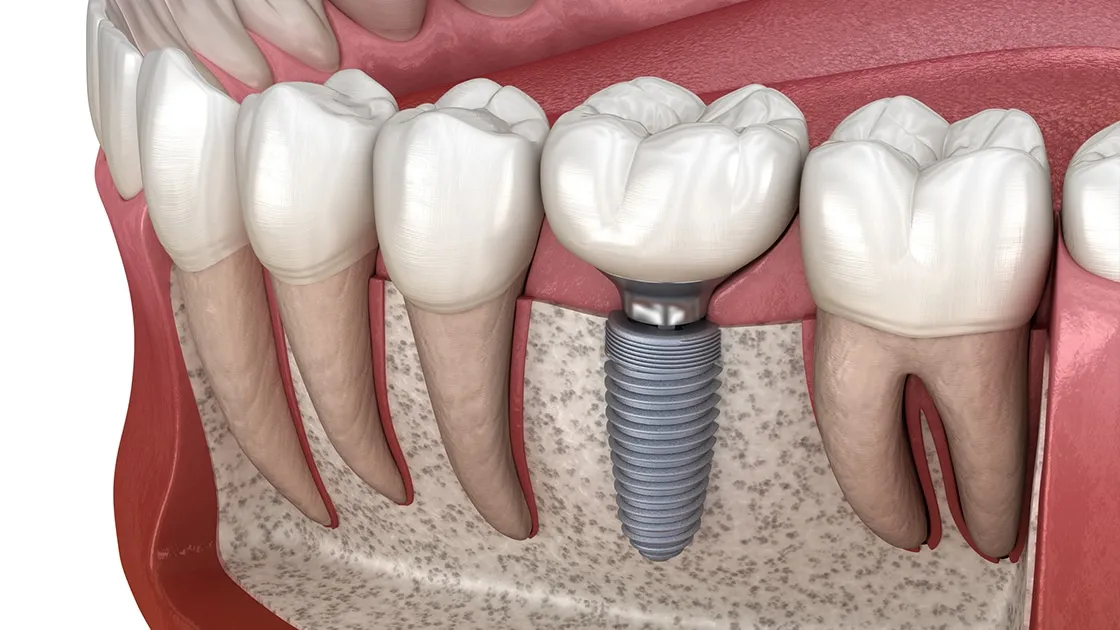
Dental implants are one of the most effective ways to replace missing teeth, restoring chewing function, comfort, and confidence. But while implants can provide long-lasting results, they are not immune to the problems that affect natural teeth and surrounding gums.
One of the most important complications to understand is peri-implant disease, an inflammatory condition affecting the tissues around a dental implant. In its early stage, it may appear as inflammation and bleeding of the gums. If the condition progresses, it can lead to bone loss around the implant and, in severe cases, implant failure.
The good news? Protecting your investment in dental implants begins long before the implant is placed.
What Is Peri-Implant Disease?
Peri-implant disease generally includes two conditions:
Peri-implant mucositis: This is inflammation of the soft tissue surrounding an implant, often associated with bacterial plaque. It may cause redness, swelling, or bleeding during brushing or professional cleaning. At this stage, there is no progressive bone loss beyond the initial remodeling that can occur after implant placement. With appropriate treatment and improved plaque control, mucositis can often be reversed.
Peri-implantitis: This is a more advanced condition involving inflammation around the implant accompanied by progressive loss of the supporting bone. As the disease advances, the implant may become compromised, making treatment more challenging.
Unlike natural teeth, dental implants do not have the same periodontal ligament and attachment apparatus. This difference affects how inflammation spreads and how the surrounding tissues respond to bacterial infection.
Why Prevention Must Begin Before Implant Surgery
A common misconception is that implant success depends primarily on the surgeon’s technique or the quality of the implant itself. Although both are important, the health of the patient’s gums, bone, and oral environment plays a significant role.
Before implant placement, the dental team should evaluate several factors that can influence long-term success.
1. Treat Existing Gum Disease First
One of the most important steps is identifying and managing periodontal disease before implant surgery.
Periodontitis is a chronic inflammatory disease caused by a complex interaction between bacterial biofilm and the body’s immune response. It can destroy the bone and connective tissue supporting natural teeth. Patients with a history of periodontitis may have an increased risk of developing peri-implantitis, particularly if their periodontal disease is not adequately controlled.
A comprehensive periodontal evaluation may include gum measurements, assessment of bleeding and inflammation, evaluation of tooth mobility, and appropriate dental radiographs.
If active periodontal disease is present, treatment should be addressed before implant placement whenever clinically appropriate. This may involve professional deep cleaning, periodontal therapy, improved home care, and reassessment of the patient’s response.
The goal is to establish a healthy, stable periodontal environment before introducing an implant.
2. Evaluate Bone and Soft Tissue Quality
Successful implant treatment requires more than having enough bone to place an implant. The quality, quantity, and shape of the surrounding bone and soft tissue can influence the long-term stability of the restoration.
A thorough evaluation helps determine whether additional procedures, such as bone grafting or soft-tissue augmentation, may be beneficial.
Three-dimensional imaging, when clinically indicated, can help assess bone anatomy and identify important structures before surgery. The position and angulation of the implant should also be planned with the final restoration in mind.
Implants that are poorly positioned or difficult to clean can create areas where plaque accumulates, increasing the challenges of maintaining healthy tissues over time.
3. Identify and Manage Individual Risk Factors
Every patient has a different risk profile. Identifying potential problems before surgery allows the dental team to develop a more personalized treatment plan.
Important considerations include:
- History of periodontitis: Previous gum disease can increase the risk of future periodontal and peri-implant complications.
- Smoking and tobacco use: Tobacco exposure is associated with poorer periodontal health and increased risk of implant complications.
- Diabetes: Poorly controlled blood glucose can impair healing and increase susceptibility to infection and inflammation.
- Plaque control: Patients who struggle to maintain effective daily oral hygiene may need additional instruction and preventive support.
- Bruxism and excessive biting forces: Clenching and grinding can contribute to mechanical complications, although they are not the same as bacterial peri-implant disease.
- Maintenance history: Patients who do not attend recommended periodontal maintenance visits may be more likely to develop problems that go undetected.
These factors do not automatically disqualify someone from receiving dental implants. Instead, they help guide risk reduction, timing, treatment planning, and follow-up.
4. Plan the Implant for Long-Term Cleanability
An implant may be successfully placed and restored yet still present challenges years later if the final restoration is difficult to clean.
The shape of the crown, the emergence profile, the position of the implant, and the accessibility of the surrounding tissues all matter.
A well-designed restoration should allow the patient and dental hygienist to clean around the implant effectively. Depending on the case, the dental team may recommend specific interdental brushes, flossing techniques, or other oral hygiene aids.
The objective is not simply to replace the missing tooth. It is to create a restoration that functions well and can be maintained for years.
5. Establish a Personalized Maintenance Plan Before Placement
Implants require ongoing care. They are not a maintenance-free alternative to natural teeth.
Before surgery, patients should understand how often they will need professional evaluations and cleanings. The appropriate interval depends on individual risk factors, periodontal history, tissue health, and the complexity of the restoration.
For some patients, maintenance every three to four months may be appropriate. Others may require a different interval based on their clinical findings and risk assessment.
During maintenance visits, the dental team can evaluate tissue inflammation, bleeding, plaque accumulation, changes in probing measurements, and the condition of the implant restoration. Radiographs may be indicated when clinical findings suggest a need to assess supporting bone levels.
Early detection matters because inflammation is generally easier to manage before substantial supporting bone is lost.
What Happens After the Implant Is Placed?
Prevention does not end when surgery is complete. Long-term implant health depends on consistent home care and professional monitoring.
Patients should:
- Brush twice daily with a suitable toothbrush.
- Clean between teeth and around implants every day using recommended interdental aids.
- Follow their dentist’s or periodontist’s postoperative instructions.
- Attend scheduled periodontal maintenance appointments.
- Avoid tobacco and work with their healthcare team to improve diabetes control when needed.
- Report persistent bleeding, swelling, tenderness, drainage, or changes in the way the implant restoration feels.
Bleeding around an implant should not be dismissed as normal, especially when it persists. A professional examination can help determine whether the cause is plaque-related inflammation, a restoration-related problem, or another condition requiring treatment.
Can Peri-Implantitis Be Treated?
Treatment depends on the severity of the disease, the amount and pattern of bone loss, the implant’s position, the design of the restoration, and the patient’s overall health.
Early inflammation may respond to professional cleaning and improved plaque control. Established peri-implantitis can require more advanced treatment, including surgical access for decontamination of the implant surface. In selected cases, regenerative procedures using bone grafting and barrier membranes may be considered.
However, bone regeneration around a failing implant is not guaranteed, and outcomes vary. Some implants cannot be predictably saved and may require removal.
This is why prevention and early diagnosis are so important. Once substantial bone loss has occurred, treatment becomes more complex and the prognosis may be less favorable.
 Where Does Derek Sonic Fit Into a Preventive Oral Care Routine?
Daily plaque control is an important part of protecting the tissues around both natural teeth and dental implants. For patients with implants, the choice of cleaning tools matters because the goal is to remove plaque effectively while following professional recommendations for the specific restoration and implant system.
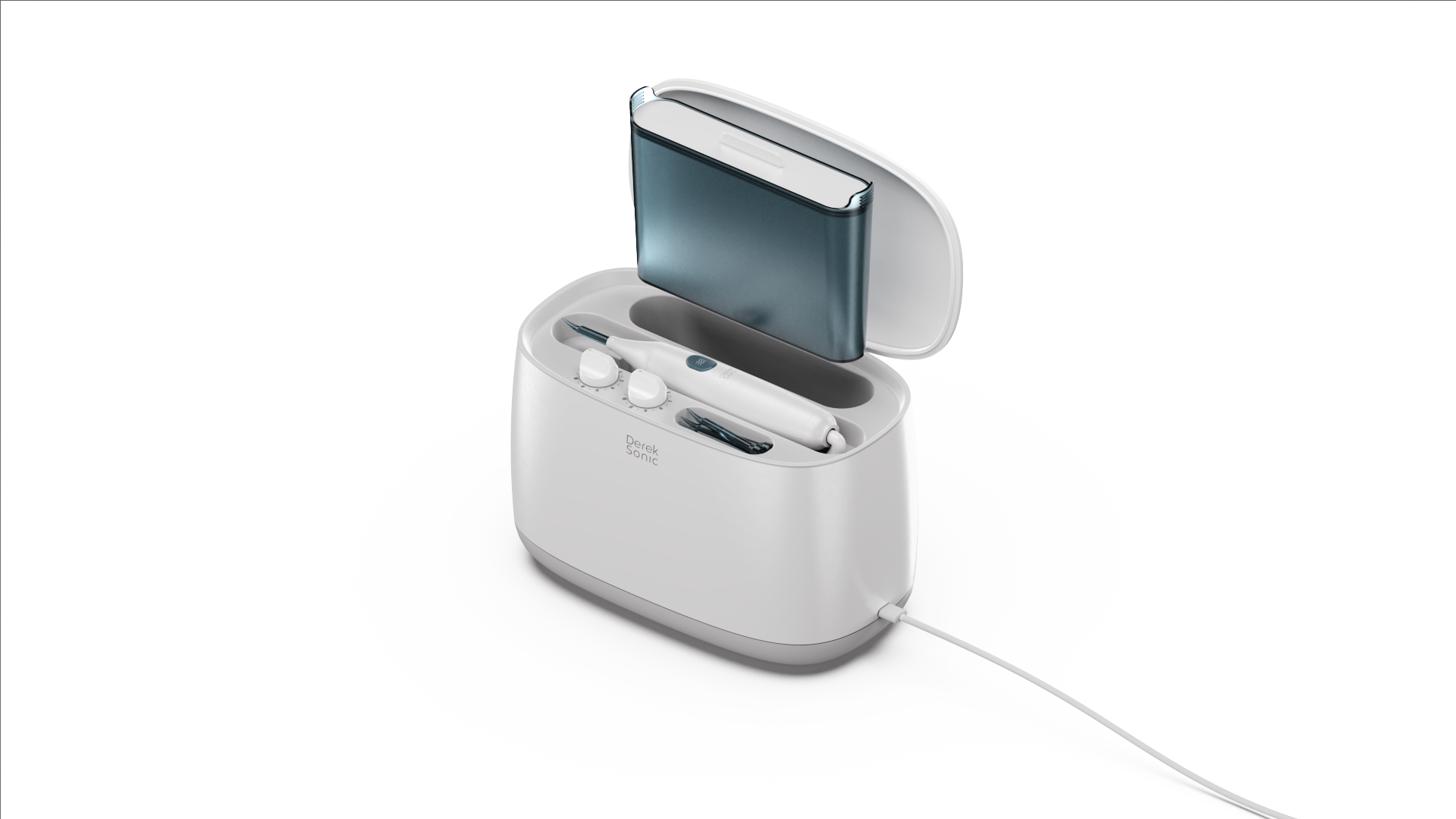
Derek Sonic is being developed as an at-home oral cleaning device that combines sonic vibration with water irrigation. Its intended approach is to help loosen and rinse away debris as part of a daily oral hygiene routine.
For people with dental implants, any new cleaning device should be evaluated for its compatibility with the implant restoration, the materials it contacts, and the user’s individual oral health needs. Patients should consult their dentist or periodontist before using a specialized device around implants, particularly when inflammation, recession, or exposed implant surfaces are present.
Derek Sonic should be viewed as a potential complement to established preventive care—not a replacement for professional implant maintenance, periodontal treatment, or individualized dental advice. Claims about preventing peri-implantitis or improving implant outcomes should be supported by appropriate clinical evidence.
The Bottom Line: Protect Your Implant Before You Need One
Dental implant success is not determined by the day of surgery alone. It begins with careful planning, healthy periodontal tissues, management of individual risk factors, and a restoration designed for effective cleaning.
The most successful long-term approach combines three essential elements:
- Before placement: Diagnose and control existing periodontal disease, assess bone and soft tissue, and address modifiable risks.
- After placement: Maintain excellent daily plaque control and follow personalized professional care recommendations.
- Over the long term: Monitor implant health regularly and investigate early signs of inflammation rather than waiting for symptoms to worsen.
Dental implants can be an excellent tooth-replacement option, but protecting them requires a partnership between the patient, restorative dentist, periodontist, and dental hygienist.
The best time to protect your dental implant is before it is placed—and the next best time is every day afterward.
Educational disclaimer: This article is for general informational purposes and does not replace an individual dental examination or treatment recommendations from a qualified dental professional.
 About the Author
Dr. Jin Eslami, DDS, MS, is a board-certified periodontist with over 30 years of experience in periodontal disease treatment, dental implants, and advanced bone regeneration. Based in Rancho Santa Margarita, she specializes in complex cases involving severe gum disease and full-arch implant rehabilitation. Dr. Eslami is a strong advocate for the connection between oral health and systemic conditions, including cardiovascular disease and cancer.
To learn more or schedule a consultation, contact Dr. Eslami’s office for expert periodontal and implant care.
Orange County Oral Surgery & Periodontics
Phone: 949-888-0332
Website: https://www.ocosperio.com/
Comments are closed.