

Can You Save a Dental Implant After Bone Loss?
 Can You Save a Dental Implant After Bone Loss? The New Advances Giving Patients More Options
Dental implants are designed to last, but what happens when the bone supporting them begins to disappear? New periodontal research is helping specialists refine treatment strategies to preserve implants, control infection, and potentially rebuild lost bone.
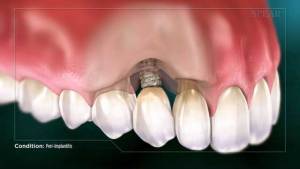
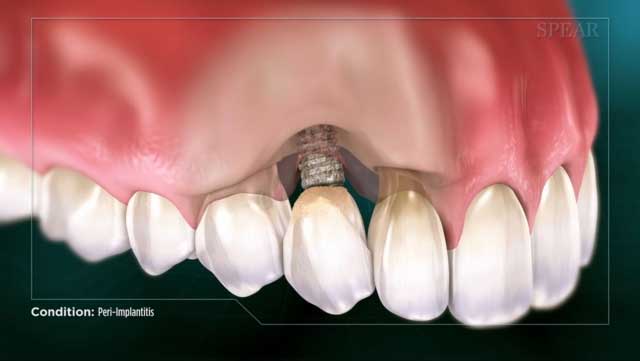
Dental implants have transformed modern dentistry, allowing millions of people to replace missing teeth. But even a well-placed implant can develop complications years after surgery. One of the most concerning is peri-implantitis, an inflammatory disease that damages the gum tissue and supporting bone around a dental implant.
For patients who discover bone loss around an implant, the first question is often frightening: Does my implant have to come out?
The encouraging news is that removal is not always necessary. Advances in periodontal diagnosis, implant surface cleaning, regenerative surgery, and biomaterials are expanding the options available to patients. However, the best treatment depends on the severity of the disease and whether the implant can be predictably maintained.
The Latest News: A New Era in Implant Preservation
In September 2025, the American Academy of Periodontology and the Academy of Osseointegration highlighted a collaborative consensus on preventing and managing diseases around dental implants. The recommendations emphasize individualized treatment, beginning with nonsurgical care and progressing to surgery when necessary.
The guidance recognizes several treatment approaches, including surgical access to clean affected implant surfaces, procedures to reshape damaged bone, and regenerative techniques intended to rebuild supporting tissues. Soft-tissue augmentation may also be appropriate in selected cases.
The goal is not simply to make the gums look healthier. It is to control inflammation, stop further bone destruction, and preserve a functional implant whenever a reasonable prognosis is possible.
Source: American Academy of Periodontology — Joint AAP/AO Consensus
Why Does Bone Loss Develop Around Dental Implants?
Peri-implantitis often develops when bacterial biofilm accumulates on an implant and triggers inflammation in the surrounding tissues. If the disease progresses, the bone supporting the implant can gradually deteriorate.
Several factors can increase the risk:
- A history of gum disease: Patients who have experienced periodontitis may be more susceptible to peri-implant disease.
- Smoking: Tobacco use can impair healing and negatively affect periodontal health.
- Uncontrolled diabetes: Poor glycemic control can complicate the body’s inflammatory response and healing.
- Difficulty cleaning around an implant: Bulky or poorly designed restorations can make daily hygiene challenging.
- Implant position and anatomy: Implant placement, the shape of the restoration, and the surrounding soft tissues can affect cleaning access and long-term health.
Importantly, bone loss does not always mean peri-implantitis. Some early bone remodeling can occur after implant placement, and other local or mechanical factors may contribute to changes in bone levels. Comparing current X-rays with previous images and performing a thorough clinical examination are essential.
Can Lost Bone Be Regenerated Around a Dental Implant?
In selected cases, yes. Regenerative periodontal surgery may help rebuild bone around an implant affected by peri-implantitis.
The specialist first needs to control the infection and gain access to the affected implant surface. Depending on the defect, treatment may involve carefully cleaning and decontaminating the surface, followed by placement of a bone graft, a barrier membrane, or a combination of regenerative materials.
These materials are intended to support healing and bone fill within the damaged area.
However, bone fill on an X-ray does not necessarily mean that the implant has returned to its original condition. Complete re-establishment of the original bone-to-implant attachment cannot be guaranteed, and results vary considerably.
What makes an implant a candidate for regenerative treatment?
The specialist will consider:
- The depth, shape, and number of walls of the bone defect.
- Whether the implant is stable or has become mobile.
- The amount of remaining supporting bone.
- Whether the implant surface can be adequately accessed and cleaned.
- Whether the restoration permits effective daily hygiene.
- The patient’s overall health, smoking status, diabetes control, and ability to maintain regular follow-up care.
Contained bone defects may be more suitable for regenerative procedures than extensive, noncontained defects. Even so, no single treatment is appropriate for every patient.
What Is New in Biomaterials Research?
A major research focus is determining which regenerative materials provide the most predictable results when treating peri-implantitis.
A 2026 consensus report from the International Association for Dental Research’s Implantology Research Group examined biomaterials used in the treatment of peri-implant disease. This work reflects continuing efforts to clarify how graft materials and other regenerative approaches can contribute to treatment outcomes.
Bone grafts, barrier membranes, and biologically active materials may be used in selected cases. Researchers continue to investigate how these materials influence bone regeneration, soft-tissue healing, and the long-term stability of treated implants.
Nevertheless, a promising material is not a guarantee of success. The defect’s anatomy, the effectiveness of implant-surface decontamination, infection control, and ongoing maintenance all influence the result.
Research reference: 2026 consensus report on biomaterials for peri-implantitis, Journal of Periodontology.
When Is Surgery Necessary?
Treatment generally begins with controlling the bacterial biofilm and addressing the factors that contributed to the disease.
Depending on the clinical findings, a treatment plan may include:
1. Nonsurgical therapy
Professional cleaning around the implant, improved home-care techniques, management of contributing risk factors, and correction of hygiene obstacles are important first steps. The specialist then reassesses the response.
2. Access or resective surgery
If inflammation and deep pockets persist, surgery may be needed to access the implant surface more effectively. In certain cases, reshaping the surrounding bone and soft tissues can help create a healthier, more maintainable environment.
3. Regenerative surgery
When the bone defect is suitable, a graft and possibly a barrier membrane may be used to encourage bone fill and improve the tissue architecture around the implant.
4. Implant removal
Removal may be the most appropriate option when an implant is excessively mobile, severely damaged, poorly positioned beyond reasonable correction, or affected by bone destruction that cannot be predictably managed. Sometimes removal allows the area to heal before a different restorative plan is considered.
The objective is to choose the treatment most likely to provide a healthy, functional, and maintainable result—not to preserve an implant at any cost.
The Warning Signs Patients Should Never Ignore
Peri-implant disease can progress without dramatic pain in its early stages. Patients should arrange a dental evaluation if they notice:
- Bleeding when brushing or cleaning around an implant.
- Swollen, tender, or persistently red gum tissue.
- Pus or an unpleasant taste around the implant.
- Gum recession or a newly exposed portion of the implant.
- Increasing discomfort or a change in the way an implant-supported restoration feels.
An implant that feels loose requires prompt professional assessment. The restoration itself may be loose, or the implant may have lost supporting bone; these are different problems requiring different treatments.
Can Better Home Care Help Protect Dental Implants?
Absolutely. Professional treatment addresses existing disease, but daily plaque control and regular maintenance are essential for protecting the tissues around an implant.
Patients should follow their periodontist’s recommendations for brushing, interdental cleaning, and professional maintenance. The appropriate tools depend on the restoration’s design, the surrounding tissue, and the patient’s individual needs.
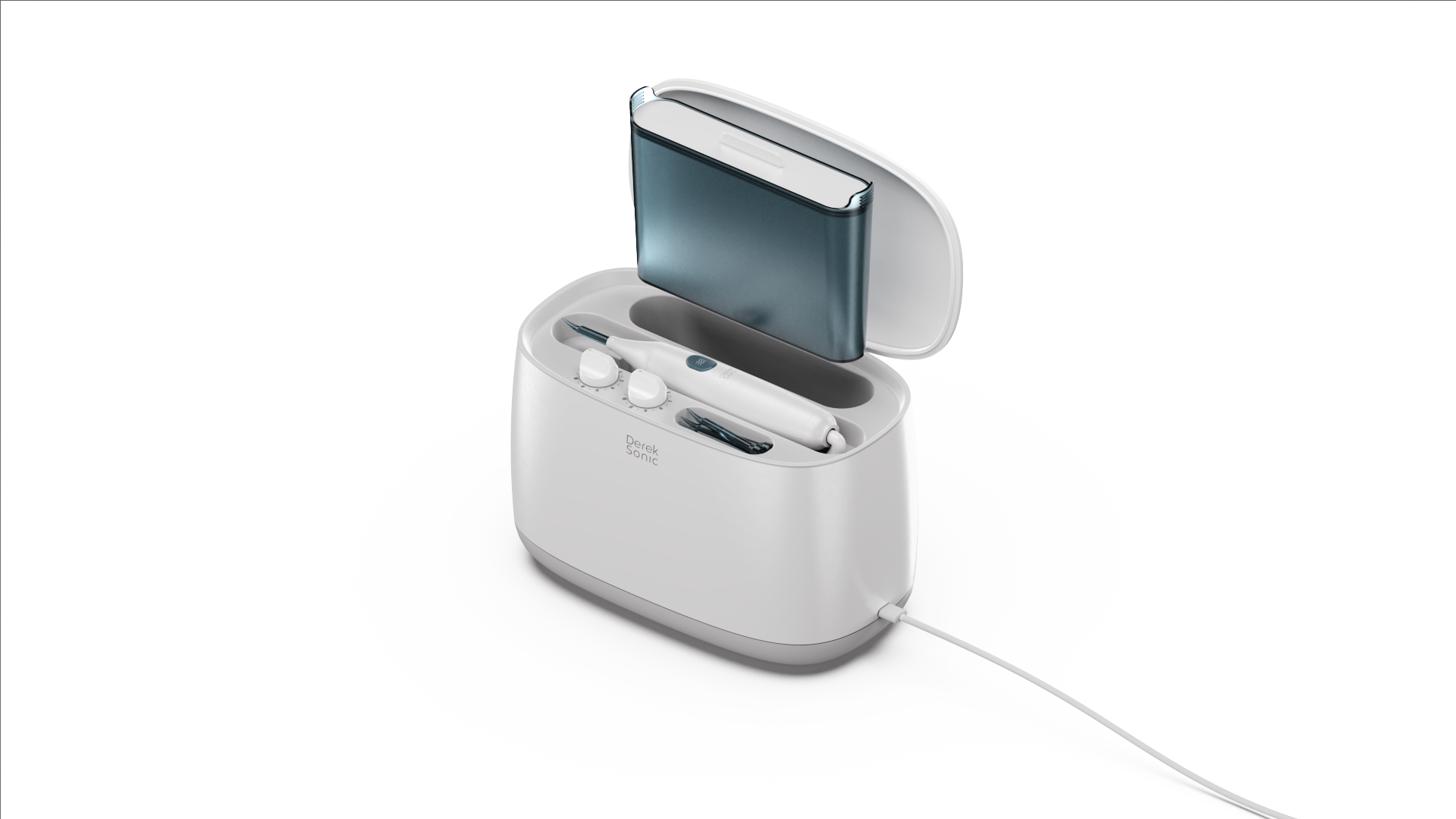 Derek Sonic is being developed as an at-home oral-care device combining sonic vibration and water irrigation. For patients with dental implants, any specialized cleaning device should be used only as directed and after confirming its suitability with the treating dental professional. Its use should not be considered a treatment for peri-implantitis or a substitute for professional implant assessment, debridement, or surgery.The broader principle is simple: effective home care can support a professional treatment plan, but it cannot reliably remove all deposits from an infected implant surface or regenerate lost bone on its own.
Five Questions to Ask Your Periodontist Before Removing an Implant
If you have been told that your implant may need to be removed, consider asking:
- How much bone have I actually lost? Can you compare my current X-rays with the original images?
- Is my implant stable? Is the problem peri-implantitis, a loose restoration, or another complication?
- Am I a candidate for regenerative surgery? What are the realistic benefits, risks, and chances of preserving the implant?
- What happens if we try to save it? How will we measure success, and what is the plan if treatment fails?
- Would a second opinion from a periodontist be helpful? Would further evaluation change the treatment options?
A clear understanding of the diagnosis can help patients make informed decisions rather than feeling that extraction is their only option.
The Bottom Line: Bone Loss Does Not Always Mean Implant Loss
The most important message emerging from current periodontal guidance and ongoing research is that peri-implantitis should be diagnosed early and treated according to the individual patient’s condition.
Some implants with bone loss can be maintained through nonsurgical treatment or surgery, and selected defects may benefit from regenerative procedures. Others have a poor prognosis and are better managed through removal.
No graft, membrane, or cleaning device can guarantee that an implant will be saved. But a careful examination, appropriate treatment, and consistent long-term maintenance can give patients the best opportunity to preserve their dental implants when preservation is feasible.
If you have been told that you are losing bone around a dental implant, do not assume that removal is inevitable. Ask for a thorough periodontal evaluation and a clear explanation of all reasonable treatment options.
This article is for educational purposes only and is not a substitute for an individualized examination and treatment plan from a qualified dental professional.
About the Author
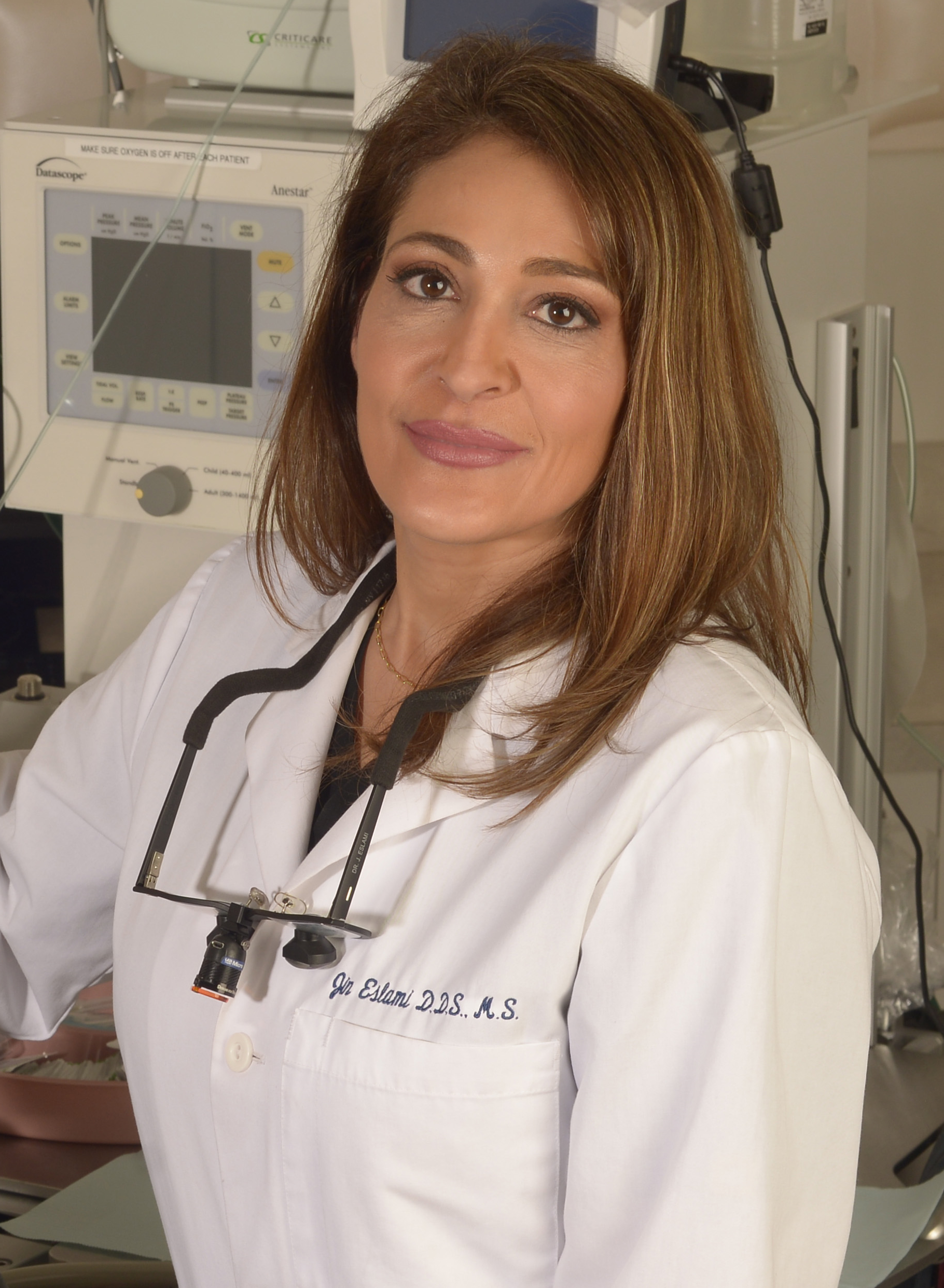 Dr. Jin Eslami, DDS, MS, is a board-certified periodontist with over 30 years of experience in periodontal disease treatment, dental implants, and advanced bone regeneration. Based in Rancho Santa Margarita, she specializes in complex cases involving severe gum disease and full-arch implant rehabilitation. Dr. Eslami is a strong advocate for the connection between oral health and systemic conditions, including cardiovascular disease and cancer.
To learn more or schedule a consultation, contact Dr. Eslami’s office for expert periodontal and implant care.
Orange County Oral Surgery & Periodontics
Phone: 949-888-0332
Website: https://www.ocosperio.com/
Comments are closed.