

Your Gums and Your Eyes: Could Chronic Gum Disease Increase the Risk of Serious Eye Conditions?
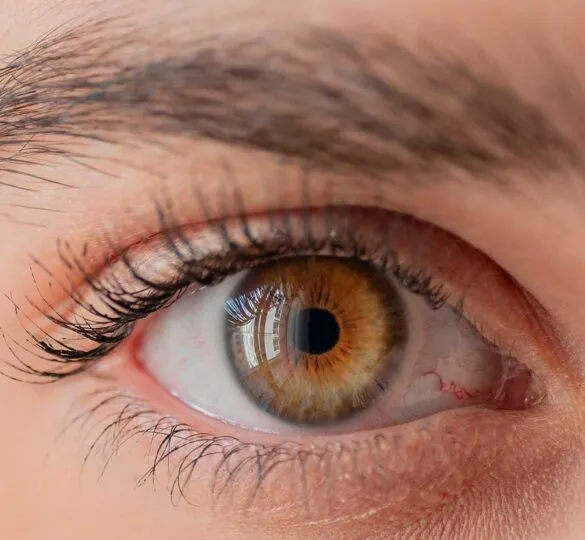 New research is uncovering a possible connection between periodontal disease, chronic inflammation, and conditions that threaten long-term vision. Could protecting your gums also help protect your eyes?
Most people associate gum disease with bleeding gums, bad breath, gum recession, and eventually tooth loss. However, a growing body of scientific research suggests that the consequences of periodontal disease may extend far beyond the mouth. Researchers are increasingly investigating how chronic oral inflammation may influence other organs, including the eyes.
A particularly interesting area of emerging research involves the relationship between periodontitis and several potentially serious eye conditions, including glaucoma, retinal disease, and inflammation affecting different structures of the eye.
Could the health of your gums have implications for your vision?
New Research Explores the Oral-Eye Connection
Research presented at the 2026 annual meeting of the Association for Research in Vision and Ophthalmology (ARVO) has brought renewed attention to the possible relationship between periodontal disease and eye health.
Researchers from the University of Texas analyzed electronic medical records using the TriNetX database. The study compared two groups of 12,507 patients each: individuals diagnosed with periodontal disease and a control group without a periodontal disease diagnosis.
The researchers examined the development of multiple eye conditions over a 10-year period.
The findings were noteworthy. Patients with periodontal disease demonstrated significantly higher rates of several ocular conditions, including:
- Glaucoma: A group of diseases that damage the optic nerve and can lead to permanent vision loss.
- Retinal diseases: Conditions involving the light-sensitive tissue at the back of the eye.
- Conjunctivitis: Inflammation of the thin membrane covering the front of the eye.
- Corneal ulcers: Open sores affecting the cornea that can threaten vision.
- Iridocyclitis: Inflammation involving the iris and ciliary body.
- Retinal artery occlusion: A blockage of blood flow to the retina.
- Cataracts: Clouding of the eye’s natural lens.
- Dry eye disease and blepharitis: Conditions affecting the ocular surface and eyelids.
The researchers concluded that further investigation is needed to determine whether patients with periodontal disease might benefit from closer attention to their eye health.
Importantly, this was a retrospective observational study. It identified associations, not proof that gum disease directly causes these eye conditions.
How Could Gum Disease Affect the Eyes?
To understand this possible connection, it is important to understand what happens during periodontal disease.
Periodontitis is a chronic inflammatory condition caused by an imbalance in the oral microbiome. Harmful bacteria accumulate beneath the gumline, triggering an immune response that damages the tissues and bone supporting the teeth.
As the disease progresses, the gum tissue becomes chronically inflamed. The damaged periodontal pocket lining can also provide an entry point for oral bacteria and inflammatory substances to enter the bloodstream.
This may contribute to systemic inflammation, a process in which inflammatory signals circulate throughout the body.
Researchers believe several mechanisms could potentially explain the oral-eye connection:
1. Systemic inflammation
Inflammatory molecules released in response to periodontal infection may circulate throughout the body. These substances can influence blood vessels, immune responses, and tissues far beyond the oral cavity.
Because several eye conditions involve inflammatory processes, researchers are investigating whether chronic periodontal inflammation may contribute to their development or progression.
2. Bacterial dissemination
Certain periodontal bacteria, including Porphyromonas gingivalis, have been studied for their ability to enter the bloodstream and influence tissues outside the mouth.
Although researchers are exploring whether oral microorganisms may contribute to inflammation in distant organs, the exact mechanisms connecting periodontal bacteria to specific eye diseases remain under investigation.
3. Blood vessel dysfunction
The retina depends on an extensive network of small blood vessels to deliver oxygen and nutrients. Chronic inflammation can influence vascular function and potentially contribute to changes in blood flow.
This is particularly relevant when studying conditions such as diabetic retinopathy and retinal vascular disease.
Glaucoma: Another Possible Connection
One eye condition receiving attention in oral-systemic health research is glaucoma.
Glaucoma damages the optic nerve, which carries visual information from the eye to the brain. It frequently develops without noticeable symptoms during its early stages, making routine eye examinations particularly important.
Earlier research published in the journal Ophthalmology examined the relationship between tooth loss, periodontal disease, and primary open-angle glaucoma.
The researchers found that recent tooth loss was associated with an increased risk of glaucoma, with an even stronger association among individuals who also had periodontal disease.
Scientists have proposed that systemic inflammation and vascular changes could be involved in this relationship.
However, more research is necessary before periodontal disease can be considered an established cause or risk factor for glaucoma.
What About Age-Related Macular Degeneration?
Another area of investigation is age-related macular degeneration (AMD), a condition affecting the macula, the central portion of the retina responsible for detailed vision.
A 2025 systematic review and meta-analysis published in the Journal of Personalized Medicine evaluated seven studies involving a combined 149,217 individuals.
The analysis found an association between periodontitis and AMD, reporting approximately 42% higher odds of AMD among individuals with periodontal disease.
The authors suggested that chronic inflammation could be one possible explanation.
Interestingly, research findings have not been entirely consistent. A separate 2026 analysis did not find a significant association between periodontal disease and AMD.
These differences highlight why additional large-scale studies are needed before drawing definitive conclusions.
Why This Research Matters for Periodontal Patients
The emerging relationship between periodontal disease and eye health reinforces an important concept: oral health should not be viewed in isolation.
Patients with untreated periodontal disease may already have other health considerations, including diabetes, cardiovascular disease, and chronic inflammatory conditions.
The possibility that periodontal inflammation may also be associated with eye disease provides another reason to take gum health seriously.
This does not mean that everyone with gum disease will develop an eye condition. Nor does it mean that treating periodontal disease will prevent glaucoma, cataracts, or retinal disease.
Rather, it emphasizes the importance of recognizing chronic inflammation as a potential contributor to overall health.
What Can You Do to Protect Your Oral and Eye Health?
Although researchers continue investigating the relationship between periodontal disease and eye conditions, there are practical steps everyone can take to support their health.
1. Schedule regular periodontal evaluations.
A periodontal examination can identify gum inflammation, periodontal pocketing, bone loss, and other early signs of disease.
2. Do not ignore bleeding gums.
Bleeding during brushing or flossing is not something that should routinely be dismissed. It may indicate gingival inflammation or underlying periodontal disease.
3. Maintain consistent oral hygiene.
Daily brushing, interdental cleaning, and appropriate professional dental care help control bacterial plaque and reduce periodontal inflammation.
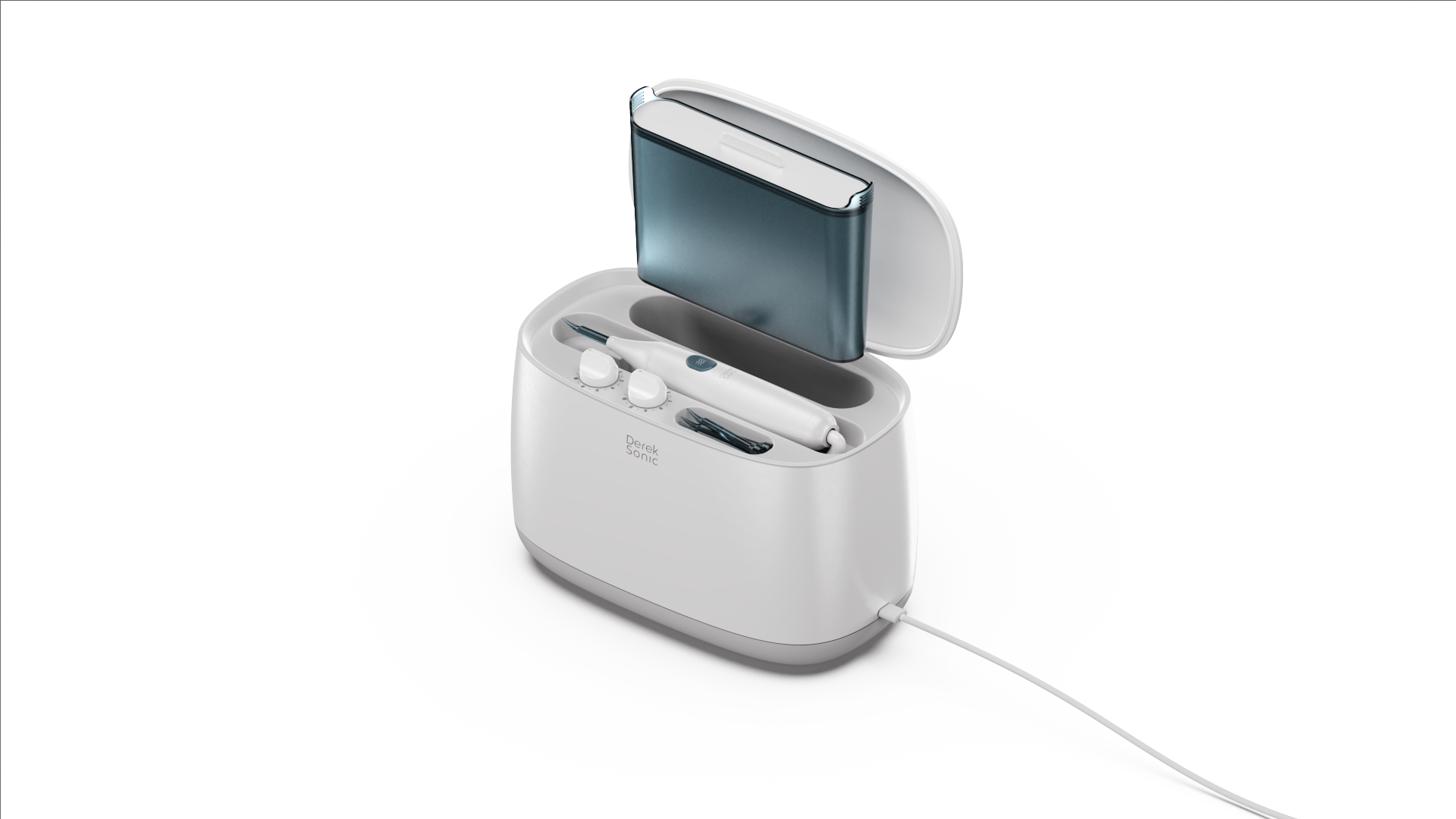 Technologies such as DEREK SONIC, designed to combine sonic vibration with water irrigation for at-home oral cleaning, represent an evolving approach to supporting daily oral hygiene. However, home-care devices should complement, not replace, professional periodontal treatment
4. Keep up with routine eye examinations.
Many eye diseases develop gradually and may not cause noticeable symptoms initially. Regular comprehensive eye examinations are important, particularly for individuals with diabetes, a family history of glaucoma, or other established risk factors.
5. Manage underlying health conditions.
Diabetes, hypertension, and smoking can influence both periodontal and general health. Working with healthcare professionals to manage these conditions is an important part of preventive care.
The Future of Dentistry: Looking Beyond the Mouth
The relationship between periodontal disease and systemic health continues to be one of the most important areas of modern dental research.
For decades, dentistry primarily focused on teeth and the supporting structures of the mouth. Today, researchers are increasingly investigating how oral bacteria, chronic inflammation, and changes in the oral microbiome may be connected to conditions affecting the heart, brain, metabolic system, and potentially the eyes.
The emerging oral-eye connection is another reminder that the mouth is an important part of the body’s overall inflammatory and immune system.
As a board-certified periodontist, I believe that recognizing and treating periodontal disease is essential not only for preserving teeth and supporting structures but also for reducing an avoidable source of chronic inflammation.
The bottom line: Your gums may be telling you more about your overall health than you realize. While science has not yet established that gum disease causes eye disease, emerging research makes one thing increasingly clear: oral health deserves a place in the broader conversation about whole-body health.
Protecting your gums is an important investment in your long-term health. And protecting your vision begins with understanding your individual eye-health risks and maintaining regular care with your eye doctor.
This article is for educational purposes and does not replace professional dental or ophthalmologic evaluation.
About the Author
 Dr. Jin Eslami, DDS, MS, is a board-certified periodontist with over 30 years of experience in periodontal disease treatment, dental implants, and advanced bone regeneration. Based in Rancho Santa Margarita, she specializes in complex cases involving severe gum disease and full-arch implant rehabilitation. Dr. Eslami is a strong advocate for the connection between oral health and systemic conditions, including cardiovascular disease and cancer.
To learn more or schedule a consultation, contact Dr. Eslami’s office for expert periodontal and implant care.
Orange County Oral Surgery & Periodontics
Phone: 949-888-0332
Website: https://www.ocosperio.com/
Comments are closed.