

Beyond the Urinary Tract: Cranberries May Offer Unexpected Benefits for Your Gums and Teeth
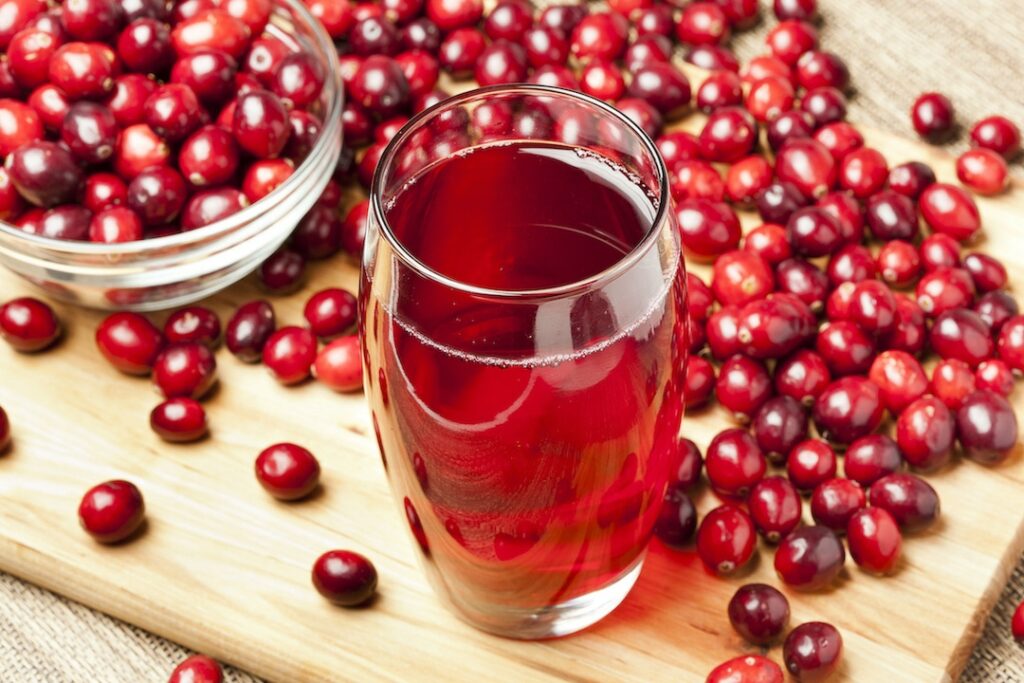
Can Cranberry Juice Help Fight Dental Plaque? New Research Reveals an Unexpected Oral Health Benefit
Could a glass of cranberry juice do more than support urinary tract health? New research suggests that certain compounds in cranberries may help slow the growth and acid-producing activity of dental plaque bacteria, opening an interesting new conversation about nutrition and preventive dentistry.
When people think about protecting their teeth, they typically think of brushing, flossing, mouthwash, and regular dental cleanings. Few would consider cranberry juice an ally in oral health. In fact, because cranberry juice is naturally tart and acidic, many people assume it is something their teeth should avoid.
However, a new study published in Scientific Reports on June 23, 2026, has revealed an intriguing finding: exposure to unsweetened, 100% cranberry juice significantly reduced the subsequent growth and acid production of dental plaque bacteria in both adults and children.
Could this familiar fruit eventually become part of a broader approach to preventing dental disease?
What Did the New Study Discover?
Researchers from the University of Illinois Chicago investigated whether cranberry juice could influence the behavior of bacteria within naturally occurring dental plaque.
The study included two independent trials:
- Eight adults between the ages of 18 and 64.
- Fourteen children between the ages of 7 and 12.
Participants were exposed to three different beverages: unsweetened 100% cranberry juice, cranberry juice cocktail containing 27% juice and added sugar, and water as a control.
The researchers collected dental plaque samples before and after beverage exposure and evaluated bacterial regrowth and acid production using a laboratory assessment known as the Plaque Glycolysis and Regrowth Method (PGRM).
The results were particularly interesting.
Following exposure to unsweetened cranberry juice:
- Plaque bacterial regrowth was reduced by approximately 44% in adults.
- Plaque bacterial regrowth was reduced by approximately 33% in children.
- Acid production by plaque bacteria was also significantly reduced in both groups.
Interestingly, the cranberry juice cocktail containing added sugar did not demonstrate significant inhibitory effects compared with water.
This distinction is important. The findings suggest that the potential oral health benefits may be associated with naturally occurring cranberry compounds rather than cranberry-flavored beverages or sweetened juice cocktails.
However, there is an important limitation: the study measured changes in plaque bacterial activity following brief exposure. It did not demonstrate that drinking cranberry juice prevents cavities, reverses gum disease, or reduces periodontal pocketing over time.
Why Are Cranberries Interesting to Dental Researchers?
Cranberries contain naturally occurring plant compounds called polyphenols. One particularly important group is proanthocyanidins (PACs).
These compounds have attracted attention in dental research because of their potential ability to interfere with bacterial behavior.
Rather than simply attempting to kill oral bacteria, cranberry compounds may influence how bacteria interact with one another and attach to tooth surfaces.
Researchers have been particularly interested in three potential mechanisms:
1. Interfering with bacterial attachment
Certain cranberry polyphenols may interfere with the ability of harmful oral bacteria to adhere to surfaces and form organized bacterial communities.
This is important because dental plaque is not simply a collection of loose bacteria. It is a structured biofilm that attaches to teeth and develops beneath the gumline.
2. Reducing bacterial acid production
One of the most interesting findings in the 2026 study was the reduction in acid production.
Certain plaque bacteria metabolize dietary sugars and produce acids that lower the pH in the mouth. Repeated acid exposure can weaken tooth enamel and contribute to dental cavities.
By reducing bacterial acid-producing activity, cranberry compounds may potentially help create a less favorable environment for tooth decay.
3. Influencing the oral microbiome
The oral microbiome consists of hundreds of different microbial species living in the mouth.
Not all bacteria are harmful. In fact, maintaining a healthy balance of microorganisms is important for oral health.
Scientists are increasingly interested in approaches that selectively influence harmful bacterial activity without indiscriminately eliminating beneficial bacteria.
Cranberry polyphenols may eventually prove useful in this area, although more human research is needed.
Could Cranberries Also Help Fight Gum Disease?
This is where the research becomes particularly interesting from a periodontal perspective.
Periodontal disease is a chronic inflammatory condition associated with an imbalance in the oral microbiome. Certain pathogenic bacteria contribute to the inflammatory response that destroys the tissues and bone supporting the teeth.
Researchers have previously investigated cranberry-derived compounds for their potential effects on periodontal pathogens, including Porphyromonas gingivalis, a bacterium strongly associated with periodontitis.
Laboratory research suggests that cranberry polyphenols may interfere with bacterial adhesion, biofilm formation, and certain inflammatory pathways.
These findings raise the possibility that cranberry-derived ingredients could eventually have applications in periodontal products, including oral rinses, gels, and other preventive formulations.
However, it is important to distinguish laboratory findings from proven clinical benefits. The 2026 cranberry juice study focused on plaque regrowth and acid production, not the treatment of established periodontal disease.
Cranberry juice should not be considered a treatment for gingivitis or periodontitis.
An Important Catch: Cranberry Juice Is Highly Acidic
Despite these promising findings, there is an important consideration.
Cranberry juice is naturally acidic. Frequent exposure to acidic beverages can contribute to dental erosion, which is the gradual loss of tooth enamel caused by acids.
This creates an interesting challenge for dental researchers: how can the potentially beneficial compounds in cranberries be delivered without exposing teeth to unnecessary acidity or added sugar?
The answer may eventually involve cranberry extracts or isolated polyphenols incorporated into specially formulated oral-care products.
These formulations could potentially preserve beneficial cranberry compounds while minimizing the disadvantages associated with drinking acidic juice.
For now, cranberry juice should not be used as a mouthwash or consumed repeatedly throughout the day in an attempt to control plaque.
What Does This Mean for Your Daily Oral Hygiene?
Although the findings are encouraging, the fundamentals of oral hygiene remain unchanged.
To maintain healthy teeth and gums:
- Brush twice daily with fluoride toothpaste.
- Clean between your teeth daily using floss or appropriate interdental cleaners.
- Maintain regular professional dental cleanings.
- Limit frequent exposure to sugary and acidic beverages.
- Seek periodontal evaluation if you experience bleeding gums, persistent inflammation, or gum recession.
For individuals with periodontal disease, professional treatment and consistent home care remain essential.
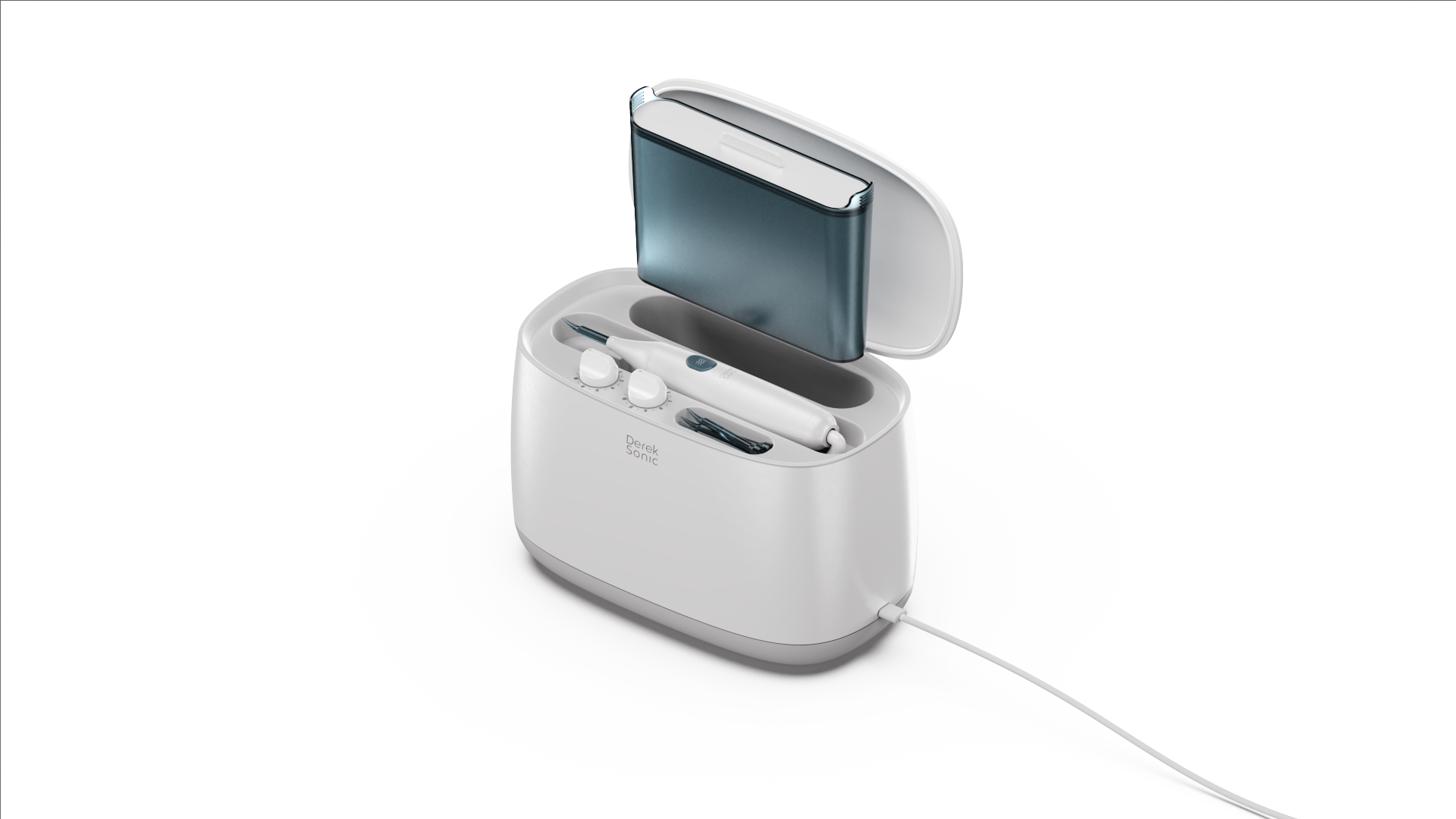 Technologies such as DEREK SONIC, which combines sonic vibration with water irrigation, represent an evolving approach to at-home oral hygiene. Such devices may complement daily plaque removal, but they do not replace professional periodontal treatment or routine dental care.
The Future of Dentistry: Food-Based Ingredients and Preventive Oral Care
The cranberry study represents an interesting development in the growing field of preventive dentistry.
For many years, oral healthcare research focused primarily on removing plaque mechanically or controlling bacteria with antimicrobial agents.
Today, researchers are increasingly exploring how naturally occurring food compounds may influence the oral microbiome and bacterial metabolism.
Cranberries are particularly interesting because their polyphenols may influence bacterial activity without necessarily eliminating all microorganisms.
Future research will need to determine whether these findings translate into meaningful long-term reductions in cavities, gingivitis, and periodontal disease.
Larger clinical trials will also be needed to establish the appropriate formulations, concentrations, frequency of exposure, and long-term safety of cranberry-derived oral-care products.
The Bottom Line
Could cranberries become the next interesting ingredient in preventive dentistry?
The early findings are promising. A 2026 study found that brief exposure to unsweetened 100% cranberry juice reduced subsequent dental plaque bacterial regrowth and acid production in both adults and children.
However, this does not mean that drinking cranberry juice will prevent cavities or cure gum disease. The study was small, measured short-term bacterial activity, and did not evaluate long-term dental outcomes.
What it does demonstrate is that certain naturally occurring food compounds may have a role in influencing the behavior of dental plaque bacteria.
As a board-certified periodontist, I find this area of research particularly exciting because it reinforces an important shift in modern dentistry: the future of oral healthcare may involve not only removing harmful bacteria but also understanding how to influence the oral microbiome and maintain a healthier balance.
Sometimes, the next promising development in dentistry may come from an unexpected place — even a small, tart cranberry.
This article is intended for educational purposes and does not replace professional dental evaluation or treatment.
 About the Author
Dr. Jin Eslami, DDS, MS, is a board-certified periodontist with over 30 years of experience in periodontal disease treatment, dental implants, and advanced bone regeneration. Based in Rancho Santa Margarita, she specializes in complex cases involving severe gum disease and full-arch implant rehabilitation. Dr. Eslami is a strong advocate for the connection between oral health and systemic conditions, including cardiovascular disease and cancer.
To learn more or schedule a consultation, contact Dr. Eslami’s office for expert periodontal and implant care.
Orange County Oral Surgery & Periodontics
Phone: 949-888-0332
Website: https://www.ocosperio.com/
Comments are closed.