Orange County Oral Surgery and Periodontics
Failing Dental Implants: Why Removal Isn’t Always the Answer
Failing Dental Implants: Why Removal Isn’t Always the Answer
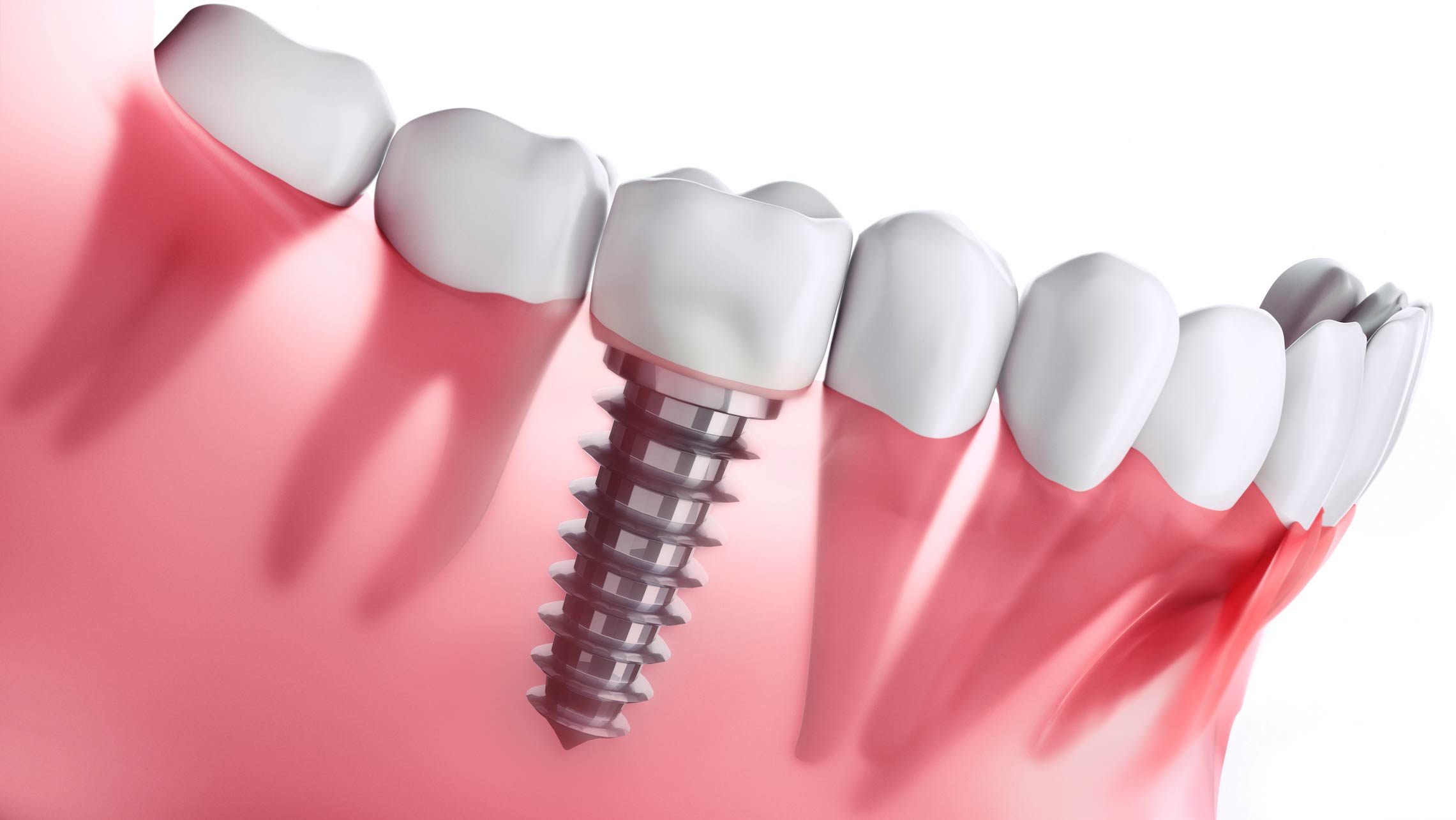
Dental implants have transformed the way we replace missing teeth, offering patients a durable and highly successful long-term solution. While implant success rates are exceptionally high, implants are not immune to complications. One of the most common concerns patients hear is that a “failing implant” must be removed immediately. Fortunately, that is not always the case.
Advances in periodontal treatment and implant maintenance have made it possible to save many implants that would have previously been considered hopeless. The key lies in early diagnosis, proper professional care, and effective home maintenance.
Understanding Why Implants Fail
Implant complications generally fall into two categories:
Peri-Implant Mucositis
This is inflammation of the soft tissues surrounding an implant. Similar to gingivitis around natural teeth, it is often reversible when detected early.
Peri-Implantitis
This is a more advanced condition involving inflammation and progressive bone loss around the implant. If left untreated, peri-implantitis can eventually lead to implant failure.
Research has consistently shown that bacterial biofilm is the primary cause of peri-implant disease. Just as plaque can lead to gum disease around natural teeth, bacterial accumulation around implants can trigger inflammation and bone destruction.
Not Every Failing Implant Needs to Be Removed
One of the biggest misconceptions in dentistry is that bone loss around an implant automatically means extraction.
In reality, many implants can be successfully treated and maintained when intervention occurs before severe structural damage develops. Modern periodontal therapies can often:
- Reduce inflammation
- Eliminate bacterial biofilm
- Stabilize bone loss
- Regenerate lost tissue in select cases
- Extend implant longevity for many years
As a board-certified periodontist, I have seen numerous implants that appeared compromised but were successfully maintained through proper treatment and meticulous home care.
The earlier peri-implant disease is detected, the greater the likelihood of preserving the implant.
The Challenge of Cleaning Around Implants
Implants present unique maintenance challenges. Unlike natural teeth, implants lack the same connective tissue attachment and blood supply that help protect against bacterial invasion.
This means that even small amounts of plaque accumulation can have significant consequences.
Unfortunately, many traditional cleaning devices may not be ideal for implant maintenance. Metal instruments can scratch implant surfaces during professional treatment. Even microscopic scratches can create roughened areas that attract bacterial colonization and biofilm accumulation.
The goal is simple: remove harmful bacteria without damaging the implant surface.
How DEREK SONIC Supports Implant Health
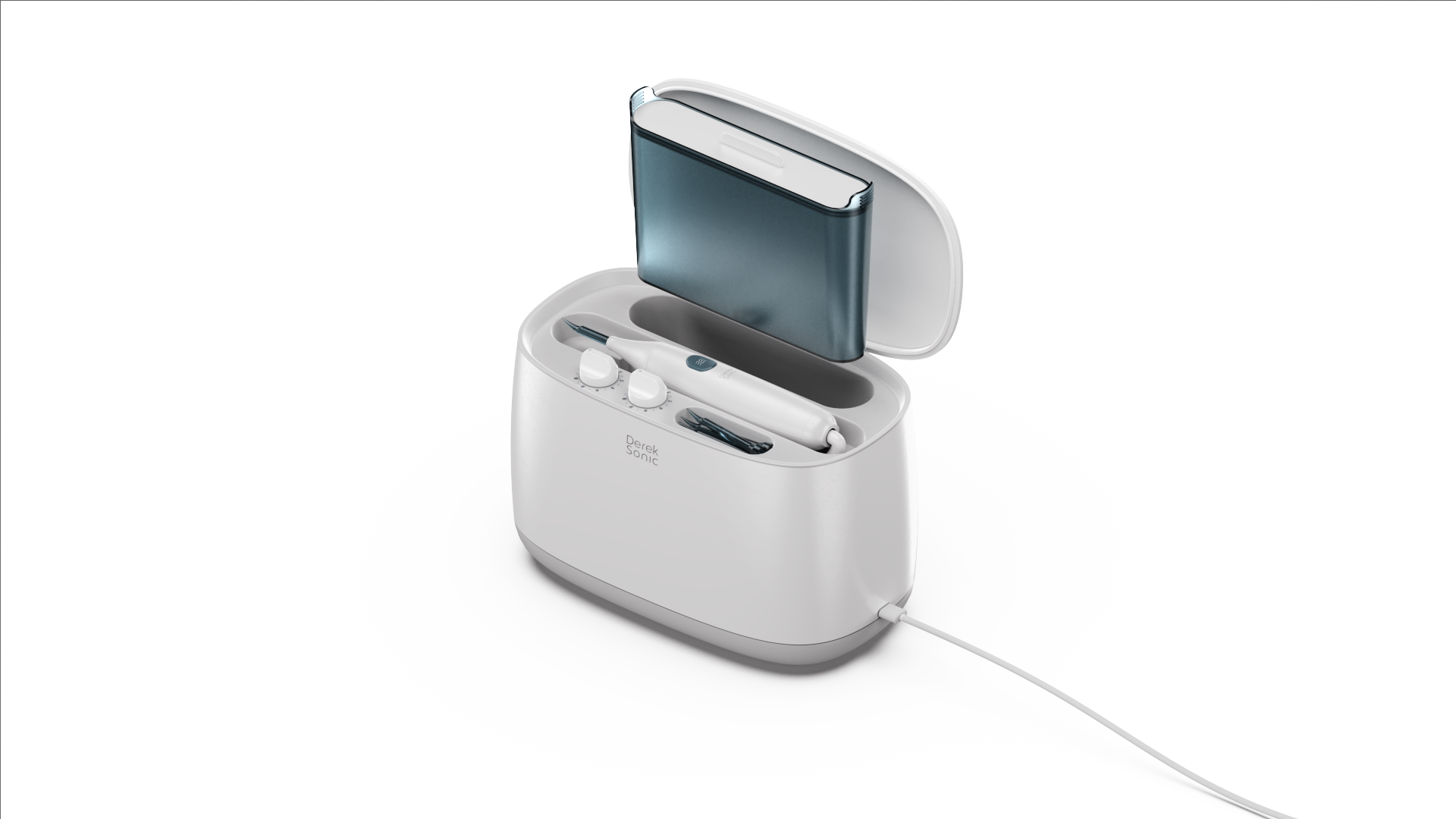
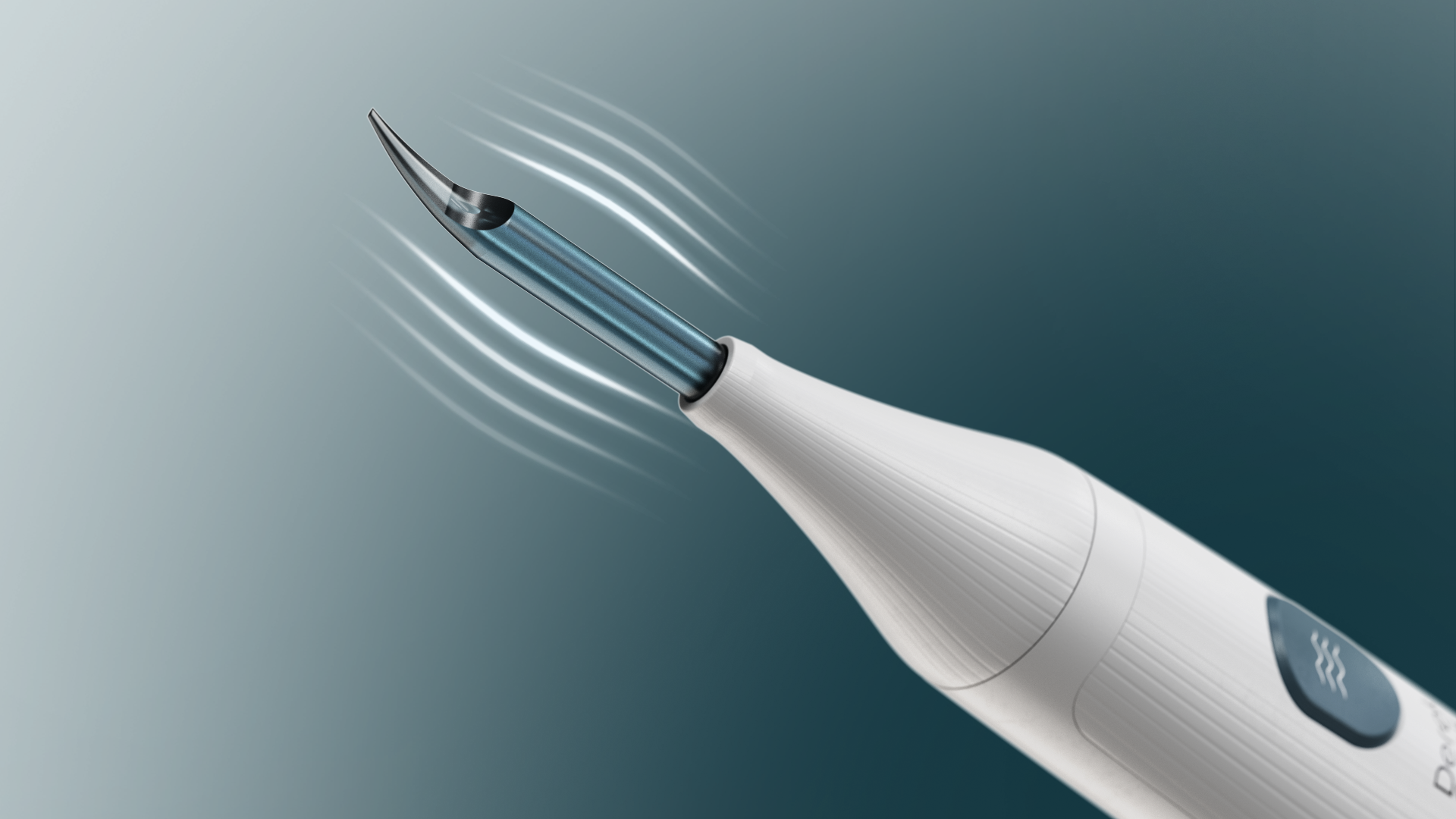
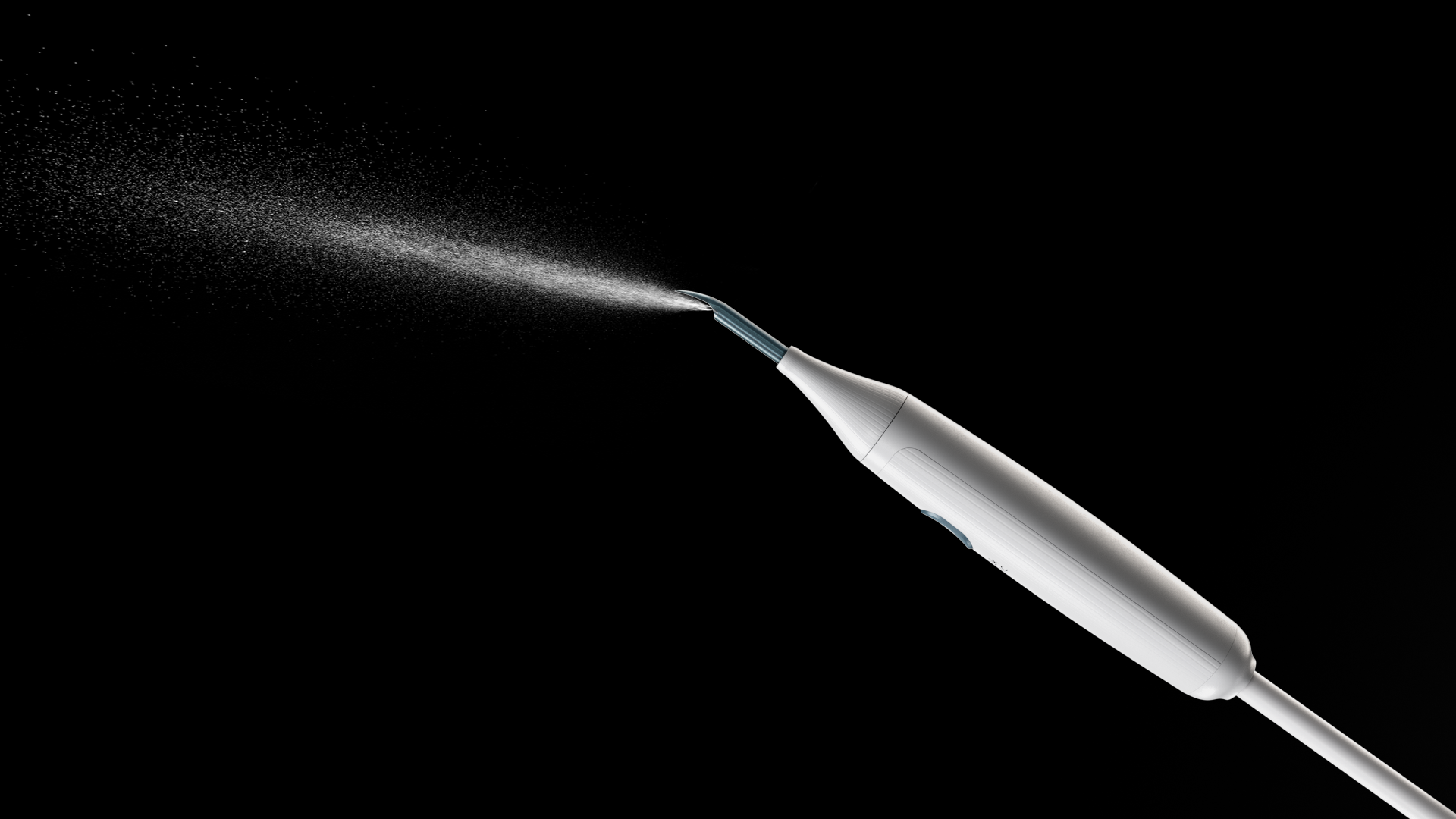
DEREK SONIC was developed by a board-certified periodontist with over 27 years of clinical experience to address one of the greatest challenges in periodontal and implant maintenance: effective biofilm disruption without causing damage.
The system utilizes a specially designed vibrating plastic tip combined with irrigation technology to help clean around implants and periodontal pockets.
Why the Plastic Tip Matters
Unlike metal instruments that may scratch titanium implant surfaces, the DEREK SONIC plastic tip is specifically designed to be implant-friendly.
Benefits include:
- Gentle contact with implant surfaces
- Reduced risk of surface scratching
- Effective disruption of bacterial biofilm
- Simultaneous irrigation to flush debris and bacteria
- Improved access around implants and difficult-to-reach areas
Maintaining a smooth implant surface is critical because roughened or damaged surfaces can become ideal reservoirs for bacterial colonization.
Vibration Plus Irrigation
The combination of mechanical vibration and irrigation creates a powerful cleaning action.
As the tip vibrates, it helps disrupt bacterial biofilm that adheres to implant surfaces and surrounding tissues. Simultaneously, irrigation helps flush bacteria, food particles, and inflammatory debris from areas that conventional brushing may not effectively reach.
This dual-action approach supports healthier tissues and may help reduce the bacterial burden associated with peri-implant disease.
Prevention Is Always Better Than Treatment
While modern periodontal therapies can often save compromised implants, prevention remains the most effective strategy.
Patients with implants should:
- Maintain excellent daily oral hygiene
- Attend regular periodontal maintenance visits
- Monitor for bleeding, swelling, or discomfort
- Seek evaluation immediately if symptoms develop
- Use home-care technologies designed to support implant health
The future of implant dentistry is not simply placing implants—it is helping patients keep them healthy for decades.
The Bottom Line
A diagnosis of peri-implant disease does not automatically mean an implant must be removed. Many failing implants can be stabilized and maintained through early intervention, professional periodontal care, and effective home maintenance.
The battle against implant disease is ultimately a battle against bacterial biofilm. Technologies such as DEREK SONIC provide a unique approach by combining vibration and irrigation while utilizing an implant-friendly plastic tip designed to avoid scratching implant surfaces.
For patients who have invested in dental implants, protecting that investment requires more than treatment—it requires a commitment to prevention, maintenance, and innovative technologies that support long-term implant health.
 About the Author
Dr. Jin Eslami, DDS, MS, is a board-certified periodontist with over 30 years of experience in periodontal disease treatment, dental implants, and advanced bone regeneration. Based in Rancho Santa Margarita, she specializes in complex cases involving severe gum disease and full-arch implant rehabilitation. Dr. Eslami is a strong advocate for the connection between oral health and systemic conditions, including cardiovascular disease and cancer.
To learn more or schedule a consultation, contact Dr. Eslami’s office for expert periodontal and implant care.
Orange County Oral Surgery & Periodontics
Phone: 949-888-0332
Website: https://www.ocosperio.com/
Botox and Fillers at the Dentist is the NEW Cosmetic Treatment!
 Botox and Fillers at the Dentist? How Cosmetic Treatments Became the New Normal.
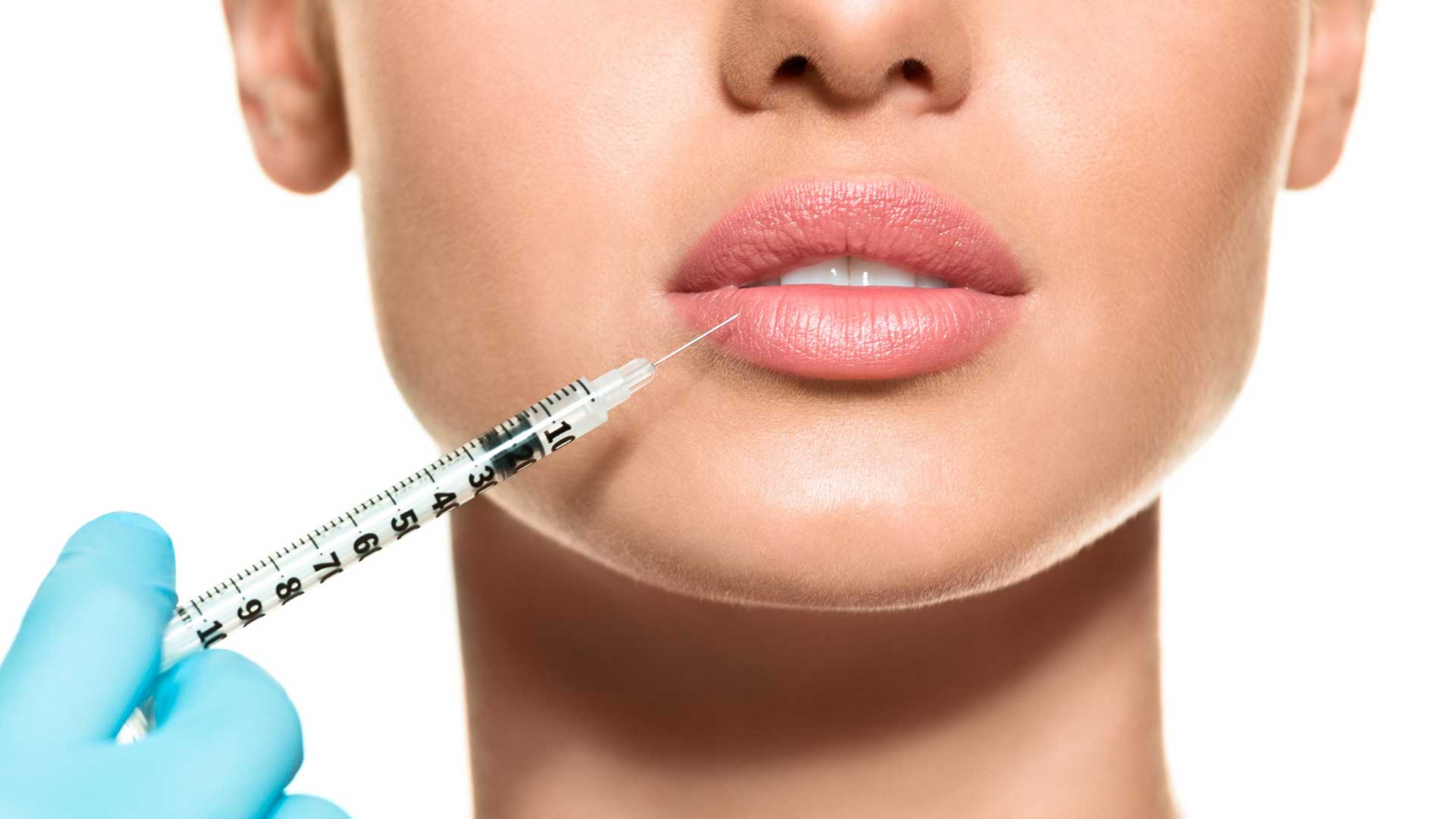
Not long ago, Botox and dermal fillers were viewed as luxury cosmetic procedures reserved for celebrities and special occasions. Today, these treatments have become remarkably common. It’s not unusual for someone to receive Botox or fillers during a lunch break and return to work the same afternoon.
While many people seek these treatments to reduce wrinkles and restore a youthful appearance, there is another side to the story that often goes unnoticed: Botox and fillers can also provide meaningful dental, periodontal, and functional benefits.
As dentists and periodontists continue to embrace a more comprehensive approach to oral health and facial harmony, cosmetic injectables are increasingly becoming part of modern dental care.
Beyond Cosmetics: The Functional Side of Botox
Botox works by temporarily relaxing overactive muscles. While it is widely known for softening forehead lines and crow’s feet, it can also address several dental conditions.
Clenching and Grinding (Bruxism)
Millions of people unconsciously clench or grind their teeth, especially during sleep. Over time, excessive forces generated by the jaw muscles can lead to:
- Tooth wear and fractures
- Gum recession
- Tooth sensitivity
- Jaw pain and headaches
- Damage to dental restorations and implants
Botox can be strategically injected into the masseter muscles to reduce excessive muscle activity and decrease the destructive forces associated with chronic clenching and grinding. For some patients, this provides relief when nightguards alone are not enough.
TMJ and Muscle-Related Pain
Overactive chewing muscles can contribute to facial pain, tension headaches, and temporomandibular joint (TMJ) discomfort. By reducing muscle hyperactivity, Botox may help alleviate symptoms and improve overall comfort.
Why Fillers Are Becoming More Common in Dentistry
Aging affects more than just the skin. As we lose facial volume over time, changes occur around the lips, cheeks, and lower face that can impact both appearance and function.
Lip Deflation and Lip Biting
As the lips lose volume and support with age, they may begin to fold inward. This can increase the likelihood of accidental lip biting during chewing and speaking.
Dermal fillers can restore lost volume and support, helping improve lip function while also creating a fuller, healthier appearance. Many patients report improved comfort and fewer episodes of accidental lip trauma after treatment.
Supporting Facial Balance Around Dental Restorations
Dentists often restore teeth, replace missing teeth with implants, or rehabilitate worn dentition. However, restoring the teeth alone may not fully address age-related changes in the surrounding facial tissues.
Fillers can complement dental treatment by helping restore the soft tissue support that contributes to a natural smile and balanced facial profile.
The Mentalis Muscle: A Hidden Contributor to Dental Problems
One of the most overlooked muscles in dentistry is the mentalis muscle, located in the chin.
An overactive mentalis muscle can create excessive movement and tension in the lower lip and chin area. This often contributes to:
- Chin dimpling or “orange peel” appearance
- Deep wrinkles around the chin
- Excessive lower lip movement
- Strain on the soft tissues surrounding the lower front teeth
From a periodontal perspective, excessive muscle pull can place tension on the gingival tissues and the frenum attachments near the lower front teeth.
Frenum Pull and Gum Recession
In some patients, strong muscle activity combined with high frenum attachments may contribute to gingival recession. The constant pulling forces can create tension on already thin gum tissue, making recession more likely over time.
Carefully administered Botox may help reduce excessive muscle activity in selected cases, decreasing soft tissue tension and potentially supporting periodontal stability when combined with appropriate periodontal treatment.
While Botox is not a replacement for procedures such as connective tissue grafting or frenectomy when indicated, it may serve as a valuable adjunctive treatment in certain patients.
A New Era of Comprehensive Dental Care
Modern dentistry is no longer limited to treating teeth alone. Today’s dental professionals evaluate the entire oral-facial complex, including muscles, gums, lips, and facial structures.
Botox and dermal fillers have become increasingly accepted because they bridge the gap between aesthetics and function. These treatments can:
- Reduce destructive clenching and grinding forces
- Improve facial muscle balance
- Restore lost lip support
- Minimize accidental lip biting
- Improve smile aesthetics
- Reduce excessive muscle pull that may contribute to soft tissue concerns
- Enhance patient comfort and confidence
The Future of Dental Aesthetics and Function
The normalization of Botox and fillers reflects a broader shift in healthcare. Patients are seeking treatments that not only help them look younger but also improve comfort, function, and quality of life.
For dentists and periodontists, these therapies offer exciting opportunities to address concerns that extend beyond the teeth themselves. When used appropriately, Botox and fillers can become valuable tools in a comprehensive treatment plan designed to support oral health, facial harmony, and overall well-being.
The result is a modern approach to care that recognizes an important truth: a healthy smile is about much more than teeth alone.
 About the Author
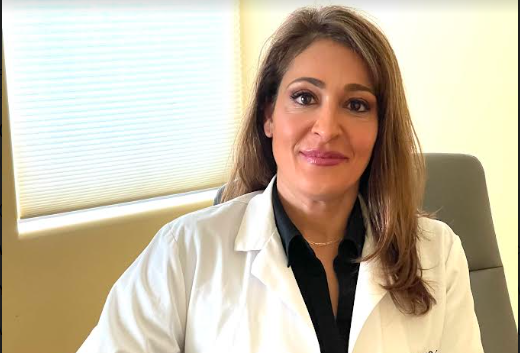
Dr. Jin Eslami, DDS, MS, is a board-certified periodontist with over 30 years of experience in periodontal disease treatment, dental implants, and advanced bone regeneration. Based in Rancho Santa Margarita, she specializes in complex cases involving severe gum disease and full-arch implant rehabilitation. Dr. Eslami is a strong advocate for the connection between oral health and systemic conditions, including cardiovascular disease and cancer.
To learn more or schedule a consultation, contact Dr. Eslami’s office for expert periodontal and implant care.
Orange County Oral Surgery & Periodontics
Phone: 949-888-0332
Website: https://www.ocosperio.com/
Oral Inflammation Linked to Reduced Fertility: Why Periodontal Health Matters
 Oral Inflammation Linked to Reduced Fertility: Why Periodontal Health Matters

When most people think about fertility, they focus on hormones, age, nutrition, and overall health. However, emerging research suggests that oral health may play a much larger role than previously understood. Studies have found that chronic oral inflammation and periodontal disease may be associated with reduced fertility in both men and women, highlighting yet another reason why maintaining healthy gums is essential for whole-body wellness.
The Mouth-Body Connection
Periodontal disease is a chronic inflammatory condition caused by harmful bacteria that accumulate around the teeth and gums. Left untreated, these bacteria trigger an immune response that leads to gum inflammation, tissue destruction, and bone loss.
What many people don’t realize is that periodontal bacteria don’t always stay in the mouth. Everyday activities such as chewing and brushing can allow bacteria and inflammatory byproducts to enter the bloodstream. Once circulating throughout the body, these inflammatory mediators may contribute to systemic health problems, including cardiovascular disease, diabetes, pregnancy complications, and potentially fertility challenges.
Researchers have observed that women with untreated periodontal disease may take longer to conceive than women with healthy gums. In men, chronic inflammation has also been linked to reduced sperm quality and function. While oral health is only one factor among many that influence fertility, reducing chronic inflammation is an important step toward supporting overall reproductive health.
Periodontal Bacteria: Small Organisms, Big Impact
Certain periodontal pathogens are particularly aggressive. These bacteria can trigger the release of inflammatory chemicals that circulate throughout the body, creating a chronic inflammatory burden. Elevated levels of systemic inflammation have been associated with disruptions in normal reproductive processes, making prevention and control of periodontal disease an important part of comprehensive health care.
The good news is that effective daily plaque removal can significantly reduce bacterial accumulation and help maintain healthier gums.
 How DEREK SONIC Can Help
Maintaining professional-level oral hygiene at home can be challenging, especially in hard-to-reach areas between the teeth and along the gumline. That’s where DEREK SONIC was designed to make a difference.
Created by a board-certified periodontist with over 27 years of clinical experience, DEREK SONIC combines sonic vibration technology with water irrigation to provide a more comprehensive approach to plaque removal.
Dual-Action Cleaning Technology
DEREK SONIC works by:
- Using sonic vibrations to help disrupt and loosen plaque biofilm.
- Simultaneously delivering water irrigation to flush away loosened debris and bacteria.
- Reaching areas that traditional brushing and flossing may miss.
- Helping maintain cleaner teeth and healthier gums between professional dental visits.
Unlike plaque that is merely loosened and left behind, the water irrigation component helps wash away bacteria and debris, promoting a cleaner oral environment.
Gentle Yet Effective
One of the standout features of DEREK SONIC is its soft plastic tip. The specially designed tip is:
- Gentle on sensitive gums.
- Comfortable for individuals with sensitive teeth.
- Safe for daily use.
- Effective at removing plaque without the harshness associated with some traditional cleaning methods.
Because of its gentle design, DEREK SONIC can be incorporated into the oral hygiene routines of people of virtually all ages, from teenagers to seniors.
Supporting Health Beyond the Mouth
By helping reduce plaque accumulation and supporting healthier gums, DEREK SONIC may contribute to lowering the inflammatory burden associated with periodontal disease. While no oral hygiene device can directly treat fertility issues, maintaining excellent periodontal health is one important step toward supporting overall systemic wellness.
The Bottom Line
The growing body of research linking oral inflammation and fertility serves as another reminder that oral health is closely connected to overall health. Periodontal bacteria and chronic gum inflammation don’t just affect your smile—they can influence your body’s inflammatory response in ways that extend far beyond the mouth.
Consistent professional care, regular periodontal evaluations, and effective daily plaque control remain the foundation of healthy gums. Tools such as DEREK SONIC can help elevate home care by combining sonic vibration technology with water irrigation, offering a gentle, effective way to remove plaque and support long-term periodontal health.
A healthier mouth may contribute to a healthier body—and that is something worth smiling about.
Ready to Schedule a Consultation?
About the Author
Dr. Jin Eslami, DDS, MS, is a board-certified periodontist with over 30 years of experience in periodontal disease treatment, dental implants, and advanced bone regeneration. Based in Rancho Santa Margarita, she specializes in complex cases involving severe gum disease and full-arch implant rehabilitation. Dr. Eslami is a strong advocate for the connection between oral health and systemic conditions, including cardiovascular disease and cancer.
To learn more or schedule a consultation, contact Dr. Eslami’s office for expert periodontal and implant care.
Orange County Oral Surgery & Periodontics
Phone: 949-888-0332
Website: https://www.ocosperio.com/
Why Dental Floss May Not Be Enough to Prevent Gum Disease

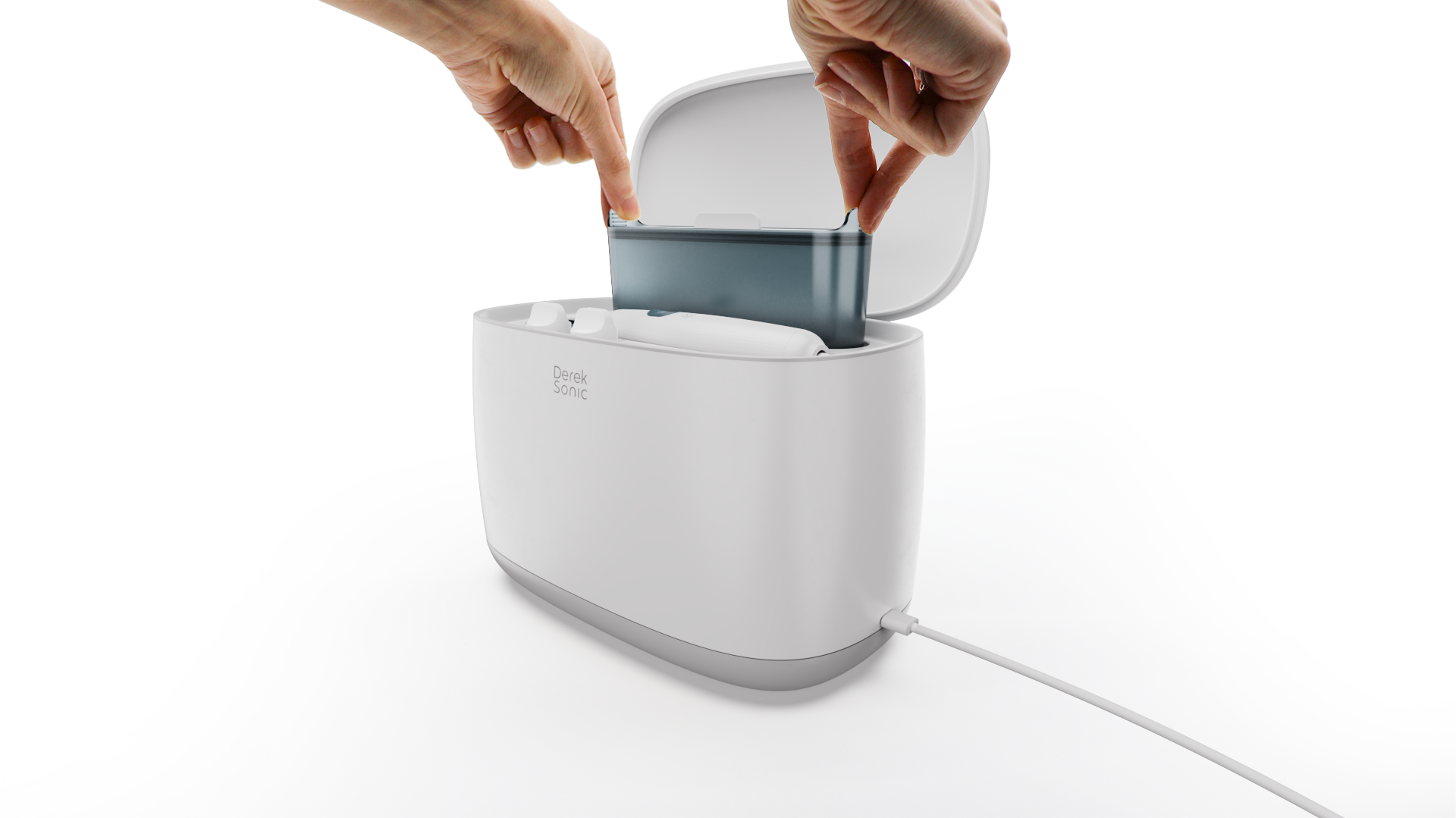
DEREK SONIC represents a new generation of home-care technology developed by a board-certified periodontist with 27 years of experience and informed by clinical research and patient care.
Why Dental Floss May Not Be Enough to Prevent Gum Disease
For decades, dental floss has been considered an essential part of maintaining good oral health. Dentists and hygienists have recommended flossing daily to remove plaque and food debris from between teeth where toothbrushes cannot reach. While flossing remains an important oral hygiene tool, emerging research and clinical experience suggest that floss alone may not be enough to effectively prevent gum disease in many patients.
The Challenge of Gum Disease
Periodontal (gum) disease affects millions of adults worldwide and remains one of the leading causes of tooth loss. The disease begins when harmful bacteria accumulate around the teeth and beneath the gumline, triggering inflammation that can eventually destroy the supporting bone and tissues.
The problem is that many patients struggle with traditional flossing. Studies have shown that a significant percentage of people either floss incorrectly, inconsistently, or avoid flossing altogether because they find it difficult, uncomfortable, or time-consuming.
Even among individuals who floss regularly, traditional floss primarily cleans the narrow contact area between teeth. It may not adequately disrupt bacterial biofilms that develop deeper along the gumline or within periodontal pockets where gum disease often begins and progresses.
Why Mechanical Disruption Matters
The key to preventing periodontal disease is the regular disruption of harmful bacterial biofilms. These bacterial colonies are highly organized and can become increasingly resistant when left undisturbed.
Effective home care requires more than simply removing food particles. It requires consistently disrupting the bacterial communities responsible for inflammation, bleeding gums, gum recession, and bone loss.
This is where innovation in home oral care becomes critically important.
Introducing DEREK SONIC: A New Approach to Home Periodontal Care
DEREK SONIC was created with a singular mission: to improve the effectiveness of daily home care and help patients better control the bacteria that contribute to gum disease.
Developed by a board-certified periodontist with 27 years of clinical experience treating thousands of patients with periodontal disease, DEREK SONIC was designed to address many of the limitations associated with traditional flossing methods.
After nearly three decades of observing the challenges patients face with maintaining optimal oral hygiene, the goal was clear: create a device that is easier to use, more effective at disrupting bacterial biofilm, and capable of helping patients achieve better long-term periodontal health.
Built on Clinical Experience
One of the biggest challenges in periodontology is patient compliance. Even the most effective oral hygiene technique only works when patients actually perform it consistently.
DEREK SONIC was developed based on years of real-world clinical observations and patient feedback. The design focuses on improving accessibility, comfort, and effectiveness while helping users maintain a more consistent oral hygiene routine.
Unlike traditional floss, which relies heavily on technique and dexterity, sonic-powered technology can assist in disrupting bacterial biofilm around the gumline and in difficult-to-reach areas.
The Future of Preventive Dentistry
The future of periodontal care is moving beyond simply treating disease after it occurs. The emphasis is increasingly shifting toward prevention, early intervention, and empowering patients with more effective home-care tools.
Innovations such as sonic technology represent an exciting advancement in preventive dentistry because they help bridge the gap between professional cleanings and daily home care.
While no device can replace regular periodontal examinations, professional cleanings, and individualized treatment plans, advanced home-care technologies may provide patients with additional tools to support healthier gums and reduce their risk of developing periodontal disease.
Final Thoughts
Dental floss remains a valuable component of oral hygiene, but for many patients, it may not be sufficient as a stand-alone solution for preventing gum disease.
As our understanding of oral bacteria and biofilm management continues to evolve, so too must the tools we use to combat periodontal disease.
DEREK SONIC represents a new generation of home-care technology developed by a board-certified periodontist with 27 years of experience and informed by clinical research and patient care. Its mission is simple: help patients achieve cleaner teeth, healthier gums, and a stronger defense against periodontal disease through more effective daily plaque and biofilm control.
The future of gum disease prevention may not be found in floss alone—but in smarter, more effective technologies designed specifically to improve oral health at home.
About the Author
Dr. Jin Eslami, DDS, MS, is a board-certified periodontist with over 30 years of experience in periodontal disease treatment, dental implants, and advanced bone regeneration. Based in Rancho Santa Margarita, she specializes in complex cases involving severe gum disease and full-arch implant rehabilitation. Dr. Eslami is a strong advocate for the connection between oral health and systemic conditions, including cardiovascular disease and cancer.
To learn more or schedule a consultation, contact Dr. Eslami’s office for expert periodontal and implant care.
Orange County Oral Surgery & Periodontics
Phone: 949-888-0332
Website: https://www.ocosperio.com/
Gen Z Leads in Oral Health Awareness: Why Periodontal Health Matters More Than Ever

Mothers Can Help Protect Babies From Gum Disease Before Birth!
 Mothers Can Help Protect Babies From Gum Disease Before Birth
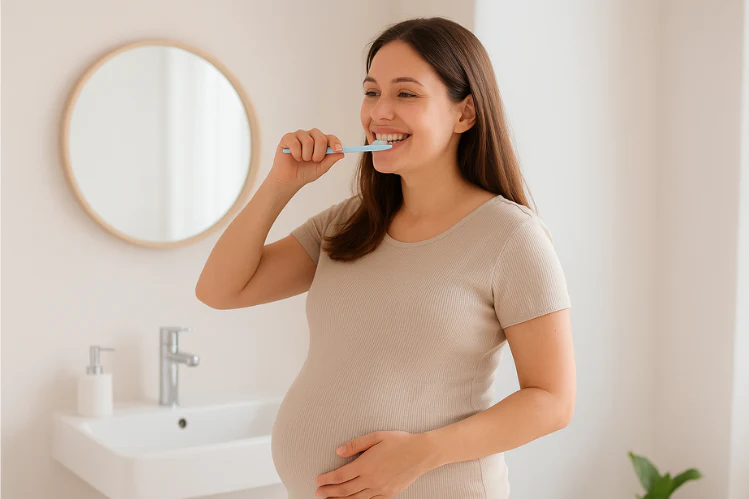
Most people think periodontal disease begins later in life, after years of poor oral hygiene or missed dental visits. But research increasingly shows that a baby’s future oral health may begin developing long before the first tooth even appears.
A mother’s periodontal health during pregnancy can influence not only her own well-being, but also the oral health environment her child is exposed to after birth.
Healthy gums during pregnancy are more important than many people realize.
Pregnancy and Periodontal Health Are Closely Connected
Pregnancy causes major hormonal changes that can increase inflammation throughout the body — including the gums.
Many women experience:
- Swollen gums
- Bleeding while brushing
- Increased plaque buildup
- Pregnancy gingivitis
- Gum tenderness
These hormonal shifts make gum tissues more sensitive to bacteria and inflammation. If periodontal disease is already present before pregnancy, symptoms may worsen during pregnancy.
Without proper treatment and maintenance, chronic gum inflammation can become more significant over time.
Oral Bacteria Can Be Passed From Mother to Child
One of the most important reasons periodontal health matters during pregnancy is bacterial transmission.
Mothers naturally pass oral bacteria to their babies through common daily interactions such as:
- Kissing
- Sharing utensils
- Cleaning pacifiers with the mouth
- Close facial contact
If harmful periodontal bacteria dominate the mother’s oral microbiome, the child may become exposed to these bacteria early in life.
This does not mean a baby is “born with gum disease,” but it may influence the oral bacterial environment the child develops as they grow.
Early Oral Microbiome Development Matters
The oral microbiome is the collection of bacteria living inside the mouth. Some bacteria are protective and beneficial, while others contribute to inflammation and periodontal disease.
A healthy maternal oral environment may help support:
- Better bacterial balance
- Lower inflammation levels
- Healthier gum development later in life
- Reduced cavity-causing bacteria exposure
This is one reason preventive periodontal care during pregnancy is so valuable.
Periodontal Disease and Pregnancy Complications
Research has also explored connections between periodontal disease and pregnancy complications such as:
- Preterm birth
- Low birth weight
- Increased systemic inflammation
While the relationship is still being studied, many healthcare professionals agree that reducing chronic inflammation during pregnancy is beneficial for overall maternal health.
Maintaining healthy gums becomes part of supporting overall wellness during pregnancy.
Is Dental Treatment Safe During Pregnancy?
Many pregnant women avoid dental visits because they worry treatment may not be safe. In reality, preventive dental and periodontal care is generally considered both safe and important during pregnancy.
Professional cleanings and periodontal evaluations can help:
- Reduce bacterial buildup
- Control inflammation
- Improve comfort
- Lower progression of gum disease
The second trimester is often considered the most comfortable time for routine dental care, although urgent treatment can still be performed when needed.
Ready to Schedule a Consultation?
Tips for Protecting Periodontal Health During Pregnancy
Expecting mothers can support both their own oral health and their baby’s future oral environment by:
- Brushing twice daily with fluoride toothpaste
- Flossing every day
- Maintaining regular periodontal cleanings
- Managing morning sickness-related acid exposure
- Eating a balanced, nutrient-rich diet
- Staying hydrated
- Avoiding tobacco and vaping products
Even small improvements in gum health can help reduce inflammation and bacterial accumulation.
The Importance of Early Prevention
One of the best ways to protect children from future periodontal problems is to establish healthy habits early — and that begins with parents.
When mothers prioritize periodontal health during pregnancy, they are helping create a healthier oral environment for both themselves and their growing child.
Prevention often starts long before the first baby tooth erupts.
Final Thoughts
Pregnancy is a time when overall health becomes especially important, and periodontal health should not be overlooked. Healthy gums reduce inflammation, support maternal wellness, and may help shape a healthier oral environment for babies from the very beginning.
Protecting a child’s future smile can start even before birth — with a mother’s commitment to periodontal health.
About the Author
Dr. Jin Eslami, DDS, MS, is a board-certified periodontist with over 30 years of experience in periodontal disease treatment, dental implants, and advanced bone regeneration. Based in Rancho Santa Margarita, she specializes in complex cases involving severe gum disease and full-arch implant rehabilitation. Dr. Eslami is a strong advocate for the connection between oral health and systemic conditions, including cardiovascular disease and cancer.
To learn more or schedule a consultation, contact Dr. Eslami’s office for expert periodontal and implant care.
Orange County Oral Surgery & Periodontics
Phone: 949-888-0332
Website: https://www.ocosperio.com/
Should You Brush Your Teeth Before or After Breakfast? A Periodontist Explains
 Should You Brush Your Teeth Before or After Breakfast? A Periodontist Explains

It is one of the most common oral health questions patients ask:
Should you brush your teeth before breakfast or after breakfast?
The answer may surprise many people. According to most dental professionals and periodontists, brushing before breakfast is often the healthier choice — especially when it comes to protecting your teeth and gums.
Here’s why timing matters for both your enamel and your periodontal health.
What Happens in Your Mouth Overnight?
While you sleep, saliva production naturally decreases. Saliva plays an important role in washing away bacteria and neutralizing acids in the mouth. With less saliva overnight, bacteria multiply more rapidly while you sleep.
This buildup of bacteria forms plaque along the teeth and gumline by morning.
If you eat breakfast before brushing, you are essentially feeding those bacteria sugars and carbohydrates, allowing them to produce more acids that can irritate gums and weaken enamel.
Why Brushing Before Breakfast May Be Better
Brushing first thing in the morning helps:
- Remove overnight plaque buildup
- Reduce harmful oral bacteria
- Freshen breath
- Stimulate saliva production
- Protect enamel before acidic foods are consumed
For periodontal health, this is especially important because plaque sitting along the gumline is one of the main contributors to gingivitis and periodontal disease.
Removing bacteria before breakfast helps reduce inflammation and lowers the bacterial load in the mouth early in the day.
The Acid Problem After Breakfast
Many breakfast foods and drinks are acidic, including:
- Orange juice
- Coffee
- Smoothies
- Berries
- Toast and pastries
- Sports or energy drinks
Acid temporarily softens enamel. If you brush immediately after eating acidic foods, you may unintentionally brush softened enamel away.
This can lead to:
- Enamel erosion
- Tooth sensitivity
- Increased wear over time
- Greater risk for recession-related sensitivity
That is why dentists often recommend waiting at least 30 to 60 minutes after breakfast before brushing if you choose to brush afterward.
What About Gum Health?
From a periodontal perspective, consistency and plaque removal matter most.
Plaque that remains around the gums triggers inflammation. Over time, this inflammation can progress from gingivitis into periodontal disease, potentially leading to:
- Gum recession
- Bone loss
- Loose teeth
- Chronic inflammation
Brushing before breakfast helps reduce the bacterial accumulation that contributes to gum disease throughout the day.
If You Prefer Brushing After Breakfast
Some people strongly prefer the clean feeling after eating breakfast. That is perfectly reasonable — but timing is important.
If brushing after breakfast:
- Rinse with water immediately after eating
- Wait 30–60 minutes before brushing
- Use a soft-bristled toothbrush
- Use fluoride toothpaste
- Avoid aggressive brushing pressure
This helps protect enamel while still maintaining good plaque control.
Don’t Forget Flossing
No matter when you brush, flossing remains critical for periodontal health.
A toothbrush cannot fully clean between teeth or below the gumline where periodontal disease often begins. Daily flossing helps disrupt bacterial colonies in areas brushing cannot reach.
The Best Routine for Periodontal Health
An ideal morning oral care routine may look like this:
- Brush teeth when you wake up
- Eat breakfast
- Rinse with water afterward
- If desired, brush again later after waiting 30–60 minutes
- Floss daily
- Maintain regular periodontal cleanings and exams
Final Thoughts
So, should you brush before or after breakfast?
For most people — especially those focused on protecting their gums and enamel — brushing before breakfast offers several advantages. It removes overnight bacteria, supports periodontal health, and helps protect teeth from acid exposure.
The most important factor, however, is maintaining a consistent oral hygiene routine that effectively removes plaque and supports healthy gums every day.
Healthy periodontal tissues are the foundation of a healthy smile — and even small habits, like when you brush, can make a meaningful difference over time.
About the Author
Dr. Jin Eslami, DDS, MS, is a board-certified periodontist with over 30 years of experience in periodontal disease treatment, dental implants, and advanced bone regeneration. Based in Rancho Santa Margarita, she specializes in complex cases involving severe gum disease and full-arch implant rehabilitation. Dr. Eslami is a strong advocate for the connection between oral health and systemic conditions, including cardiovascular disease and cancer.
To learn more or schedule a consultation, contact Dr. Eslami’s office for expert periodontal and implant care.
Orange County Oral Surgery & Periodontics
Phone: 949-888-0332
Website: https://www.ocosperio.com/
Your Gums May Reveal More About Your Health Than You Think
 Your Gums May Reveal More About Your Health Than You Think

For years, oral health was viewed separately from the rest of the body. Bleeding gums were considered a dental problem, tooth loss was thought of as part of aging, and periodontal disease was often underestimated as something limited to the mouth.
Today, science is telling a very different story.
Researchers increasingly recognize that the mouth is deeply connected to overall health. The gums are not isolated tissues — they are part of a complex system linked to the heart, brain, immune system, lungs, digestive tract, and more. In many ways, the mouth serves as an early warning system for what may be happening throughout the body.
What happens in the gums does not always stay in the gums.
The Mouth: A Gateway to the Body
The mouth contains one of the most diverse bacterial ecosystems in the human body. Hundreds of species of bacteria live inside the oral cavity — some beneficial, some harmful.
When the gums are healthy, the body maintains balance between these microorganisms. But when plaque and bacteria accumulate beneath the gumline, inflammation develops. Over time, this can lead to periodontal disease, a chronic inflammatory condition that damages the gums and supporting bone around the teeth.
As gum tissue becomes inflamed and ulcerated, bacteria and inflammatory molecules can enter the bloodstream and travel throughout the body.
This is where oral health becomes much bigger than just teeth.
Chronic Inflammation and Systemic Disease
Scientists now believe chronic inflammation is one of the major links between periodontal disease and systemic illness.
Inflammation associated with gum disease has been connected to:
- Heart disease
- Stroke
- Diabetes complications
- Alzheimer’s disease
- Respiratory illness
- Pregnancy complications
- Rheumatoid arthritis
The body reacts to periodontal bacteria by activating the immune system. But when inflammation becomes chronic, it may contribute to damage in blood vessels, organs, and tissues far beyond the mouth.
The Heart-Gum Connection
One of the most studied links is between periodontal disease and cardiovascular disease.
Researchers have found that patients with severe gum disease often have higher risks of:
- Atherosclerosis
- Heart attack
- Stroke
- High inflammatory markers
Some studies have even identified oral bacteria within arterial plaque deposits.
While gum disease may not directly cause heart disease, chronic oral inflammation appears to contribute to the overall inflammatory burden affecting cardiovascular health.
Diabetes and Gum Disease: A Two-Way Relationship
Diabetes and periodontal disease influence each other in powerful ways.
Patients with uncontrolled diabetes are more likely to develop severe gum infections because elevated blood sugar weakens the body’s ability to fight inflammation.
At the same time, untreated periodontal disease can make blood sugar levels more difficult to control.
This creates a cycle where each condition worsens the other.
For many patients, improving periodontal health may help improve diabetic management as well.
Oral Health and Brain Health
Scientists are also exploring possible links between periodontal disease and cognitive decline.
Certain oral bacteria associated with advanced gum disease have been detected in brain tissue in some research studies. Chronic inflammation may also contribute to processes involved in neurodegenerative diseases.
Although research is ongoing, many experts now believe oral health may play a larger role in brain health than previously understood.
The Silent Nature of Gum Disease
One reason periodontal disease is so dangerous is because it often progresses quietly.
Many patients have advanced disease with little or no pain.
Warning signs may include:
- Bleeding gums
- Persistent bad breath
- Gum recession
- Loose teeth
- Tooth sensitivity
- Swollen gums
Because symptoms can be subtle, patients often delay treatment until significant bone loss has already occurred.
Protecting Your Oral and Overall Health
The good news is that periodontal disease is largely preventable and manageable.
Protecting your gums may help support your overall health by reducing chronic inflammation throughout the body.
Important steps include:
- Regular periodontal evaluations
- Professional cleanings
- Daily brushing and flossing
- Managing diabetes carefully
- Avoiding tobacco products
- Eating a healthy diet
- Addressing bleeding gums early
Oral health should never be viewed as separate from general health.
A New Understanding of the Mouth and Body
Modern medicine is increasingly moving away from treating the body as disconnected systems. The evidence continues to grow that the health of the mouth can influence the health of the entire body.
The gums are not just tissues surrounding teeth — they are part of a living, interconnected system that reflects and affects overall wellness.
A healthy smile may represent far more than cosmetic appearance. It may be one of the clearest windows into long-term health.
About the Author
Dr. Jin Eslami, DDS, MS, is a board-certified periodontist with over 30 years of experience in periodontal disease treatment, dental implants, and advanced bone regeneration. Based in Rancho Santa Margarita, she specializes in complex cases involving severe gum disease and full-arch implant rehabilitation. Dr. Eslami is a strong advocate for the connection between oral health and systemic conditions, including cardiovascular disease and cancer.
To learn more or schedule a consultation, contact Dr. Eslami’s office for expert periodontal and implant care.
Orange County Oral Surgery & Periodontics
Phone: 949-888-0332
Website: https://www.ocosperio.com/
73% of Americans Fear the Dentist — It’s Hurting Them in Ways Most Don’t Expect

73% of Americans Fear the Dentist —It’s Hurting Them in Ways Most Don’t Expect
For millions of Americans, going to the dentist causes real anxiety. According to recent surveys, nearly 73% of people experience some level of dental fear, while many avoid appointments altogether until pain or serious problems force them into the chair.
But avoiding dental care does far more than increase the risk of cavities.
As a periodontist, I often see patients who delayed treatment because of fear — only to discover that the consequences extend well beyond their teeth and gums. Gum disease is not just a dental issue. It is a chronic inflammatory condition connected to overall health, and delaying care can quietly affect the entire body in ways most people never expect.
Dental Fear Is More Common Than People Think
Dental anxiety can stem from:
- Previous negative experiences
- Fear of pain
- Loss of control
- Embarrassment about oral health
- Fear of needles or sounds
- Financial concerns
For some people, the anxiety becomes so overwhelming that they postpone cleanings and exams for years.
Unfortunately, gum disease often progresses silently during that time.
Gum Disease Often Develops Without Pain
One of the most dangerous aspects of periodontal disease is that many patients do not realize they have it until significant damage has already occurred.
Common warning signs include:
- Bleeding gums
- Persistent bad breath
- Gum recession
- Loose teeth
- Tooth sensitivity
- Swollen or tender gums
But in many cases, gum disease advances slowly and painlessly. Patients may feel fine while inflammation quietly destroys bone and supporting tissue around the teeth.
The Hidden Health Effects of Avoiding Dental Care
Many people are surprised to learn that untreated periodontal disease has been linked to several systemic health conditions, including:
- Heart disease
- Diabetes complications
- Stroke
- Respiratory illness
- Alzheimer’s disease
- Pregnancy complications
Chronic inflammation in the mouth does not stay confined to the gums. Harmful bacteria and inflammatory molecules can enter the bloodstream and contribute to inflammation throughout the body.
In some patients, the mouth becomes an ongoing source of systemic stress on the immune system.
Fear Often Leads to Bigger and More Expensive Problems
Ironically, delaying dental visits because of fear often results in the very outcomes patients hope to avoid.
What starts as mild gingivitis may eventually require:
- Deep cleanings
- Gum surgery
- Bone grafting
- Tooth extractions
- Dental implants
Early periodontal treatment is typically simpler, less invasive, and more affordable than treating advanced disease.
The longer gum disease progresses untreated, the more difficult it becomes to restore lost tissue and bone.
Modern Dentistry Is Different Than Many People Remember
Many adults carry fears based on experiences from decades ago. But dentistry and periodontal care have evolved dramatically.
Modern practices now offer:
- Improved anesthetics
- Minimally invasive techniques
- Laser-assisted procedures
- Sedation options
- Quieter technology
- Greater focus on patient comfort
Today’s periodontal treatment is often far gentler and more comfortable than patients expect.
The Emotional Toll of Dental Avoidance
Avoiding dental care can also affect emotional well-being and self-confidence.
Patients with advanced gum disease may struggle with:
- Chronic bad breath
- Difficulty eating
- Embarrassment smiling
- Social anxiety
- Low self-esteem
Many people become trapped in a cycle where embarrassment about oral health increases avoidance, which then worsens the condition further.
Breaking that cycle often begins with one simple step: scheduling an evaluation.
Small Steps Can Make a Big Difference
Patients with dental anxiety should know they are not alone, and there are ways to make appointments easier:
- Communicate fears openly with the dental team
- Schedule shorter visits initially
- Ask questions beforehand
- Consider sedation options if appropriate
- Bring headphones or calming music
- Focus on prevention rather than waiting for emergencies
Most importantly, understand that dental professionals are there to help — not judge.
Your Gums May Be Telling a Bigger Story
The health of your mouth is closely connected to the health of your body. Bleeding gums are not normal, and avoiding treatment can have consequences far beyond tooth loss.
The good news is that periodontal disease is both preventable and manageable when caught early.
Sometimes the hardest part is simply walking through the door. But taking that first step may protect far more than your smile — it may help protect your long-term health as well.
About the Author
Dr. Jin Eslami, DDS, MS, is a board-certified periodontist with over 30 years of experience in periodontal disease treatment, dental implants, and advanced bone regeneration. Based in Rancho Santa Margarita, she specializes in complex cases involving severe gum disease and full-arch implant rehabilitation. Dr. Eslami is a strong advocate for the connection between oral health and systemic conditions, including cardiovascular disease and cancer.
To learn more or schedule a consultation, contact Dr. Eslami’s office for expert periodontal and implant care.
Orange County Oral Surgery & Periodontics
Phone: 949-888-0332
Website: https://www.ocosperio.com/
New Way to Prevent Gum Disease Without Killing Good Bacteria
 Scientists Discover a New Way to Prevent Gum Disease Without Killing Good Bacteria
For decades, the traditional approach to fighting gum disease has focused on eliminating bacteria in the mouth. Antibacterial mouth rinses, antibiotics, and deep cleanings all aim to reduce harmful microbes responsible for periodontal infections. But scientists are now exploring a revolutionary idea: what if the goal is not to kill all bacteria — but instead to protect the good bacteria while selectively controlling the harmful ones?
New research is changing the way experts think about periodontal disease and oral health, opening the door to more targeted, balanced, and biologically friendly treatments.
The Mouth Is an Ecosystem
The human mouth contains hundreds of species of bacteria. Many of these microorganisms are beneficial and essential for maintaining oral health. They help:
- Control inflammation
- Prevent overgrowth of harmful bacteria
- Support immune balance
- Aid in digestion and nitric oxide production
Problems begin when harmful bacteria outnumber beneficial species, creating what scientists call “dysbiosis” — an imbalance in the oral microbiome.
Periodontal disease is not simply an infection caused by one single bacteria. It is a disruption of the entire microbial ecosystem.
Why Killing All Bacteria May Not Be Ideal
Traditional antibacterial treatments can sometimes act like a forest fire — eliminating harmful bacteria but also damaging beneficial organisms that help keep the mouth healthy.
This may lead to:
- Recurrent infections
- Antibiotic resistance
- Oral microbiome imbalance
- Increased inflammation
- Opportunistic fungal infections
Scientists are increasingly recognizing that preserving healthy bacteria may be just as important as controlling harmful pathogens.
A Smarter Approach to Gum Disease
New research focuses on therapies that target the behavior of harmful bacteria rather than wiping out the entire bacterial population.
Some emerging approaches include:
Blocking Harmful Bacterial Signals
Scientists are studying ways to interrupt communication between harmful bacteria. These bacterial “messages,” known as quorum sensing, help pathogens organize attacks and form destructive biofilms beneath the gums.
By disrupting these signals, researchers may be able to prevent disease progression without destroying beneficial microbes.
Targeting Virulence Instead of Survival
Rather than killing bacteria outright, researchers are developing therapies that neutralize the toxins and enzymes harmful bacteria use to damage gum tissue.
This strategy weakens disease-causing organisms while allowing healthy bacteria to remain intact.
Encouraging Beneficial Bacteria
Some therapies aim to promote the growth of healthy bacteria through:
- Prebiotics
- Probiotics
- Dietary changes
- Oral microbiome therapies
This creates a healthier microbial balance that naturally suppresses periodontal pathogens.
The Future of Periodontal Treatment
Future periodontal therapy may look very different from today’s treatment methods. Instead of relying heavily on broad-spectrum antibiotics, dentists may one day use precision therapies designed to:
- Protect healthy bacteria
- Reduce inflammation
- Control harmful biofilms
- Restore microbial balance
This concept mirrors changes happening throughout medicine, where researchers are increasingly focusing on the microbiome’s role in overall health.
Why This Matters Beyond the Mouth
The oral microbiome does not only affect the gums. Scientists now understand that oral bacteria influence:
- Heart health
- Diabetes
- Brain health
- Immune function
- Respiratory disease
- Digestive health
Maintaining a balanced oral microbiome may help reduce systemic inflammation throughout the body.
Healthy bacteria are not the enemy — they are part of the body’s natural defense system.
What Patients Can Do Right Now
While many of these therapies are still being researched, patients can already support a healthier oral microbiome by:
- Maintaining regular periodontal cleanings
- Brushing and flossing consistently
- Avoiding tobacco products
- Limiting excessive sugar intake
- Eating fiber-rich foods
- Staying hydrated
- Using oral care products recommended by dental professionals
Overusing harsh antibacterial products without professional guidance may sometimes disrupt the natural microbial balance in the mouth.
A Shift in How We Think About Oral Health
The future of periodontal care may no longer focus solely on eliminating bacteria. Instead, it may center on restoring harmony within the oral microbiome.
This represents a major shift in dentistry — from fighting bacteria to managing balance.
As scientists continue uncovering the complex relationship between oral bacteria and systemic health, one thing is becoming increasingly clear: protecting the good bacteria may be one of the most important steps in preventing gum disease and improving overall health.
About the Author
Dr. Jin Eslami, DDS, MS, is a board-certified periodontist with over 30 years of experience in periodontal disease treatment, dental implants, and advanced bone regeneration. Based in Rancho Santa Margarita, she specializes in complex cases involving severe gum disease and full-arch implant rehabilitation. Dr. Eslami is a strong advocate for the connection between oral health and systemic conditions, including cardiovascular disease and cancer.
To learn more or schedule a consultation, contact Dr. Eslami’s office for expert periodontal and implant care.
Orange County Oral Surgery & Periodontics
Phone: 949-888-0332 Website: https://www.ocosperio.com/