

Connection Between Gum Disease and Eye Health
 Exploring the Connection Between Gum Disease and Eye Health
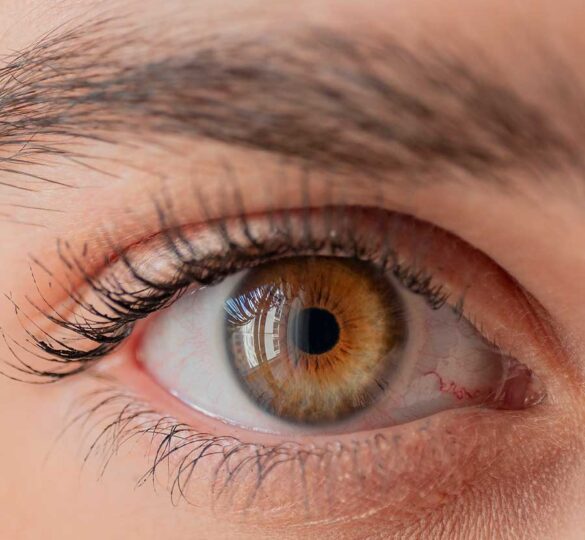
When most people think about gum disease, they picture bleeding gums, bad breath, or loose teeth. Few realize that the health of your gums may also influence the health of your eyes. Emerging research continues to show that inflammation and harmful bacteria in the mouth can affect far more than just the teeth and gums — including vision and eye health.
The mouth is not isolated from the rest of the body. Chronic periodontal disease creates a constant inflammatory burden that may contribute to systemic health problems involving the heart, brain, lungs, and even the eyes.
What Is Gum Disease?
Periodontal disease is a chronic inflammatory infection caused by bacteria that accumulate beneath the gumline. In its early stage, gingivitis causes redness, swelling, and bleeding gums. If left untreated, it can progress into periodontitis, where the supporting bone and tissues around the teeth begin to deteriorate.
As gum disease advances, harmful oral bacteria and inflammatory chemicals can enter the bloodstream and travel throughout the body.
How Oral Inflammation May Affect the Eyes
The connection between gum disease and eye health largely revolves around inflammation. Chronic inflammation is a major contributor to many eye conditions, including:
- Age-related macular degeneration (AMD)
- Diabetic retinopathy
- Uveitis
- Glaucoma
- Dry eye disease
Researchers believe that inflammatory markers produced in periodontal disease may contribute to damage in delicate blood vessels and tissues within the eye.
Gum Disease and Age-Related Macular Degeneration
Age-related macular degeneration is one of the leading causes of vision loss in older adults. Several studies have found associations between chronic periodontal disease and an increased risk of AMD.
The theory is that chronic bacterial exposure and inflammation may damage blood vessels in the retina over time. Certain oral bacteria associated with periodontal disease have even been identified in inflammatory pathways linked to retinal degeneration.
While gum disease does not directly cause macular degeneration, poor oral health may increase systemic inflammation that contributes to disease progression.
Diabetes: The Shared Link
One of the strongest connections between gum disease and eye disease involves diabetes.
Patients with uncontrolled diabetes are more likely to develop:
- Severe periodontal disease
- Diabetic retinopathy
- Delayed wound healing
- Dry mouth and oral infections
Periodontal disease can also make blood sugar levels harder to control, creating a vicious cycle of inflammation throughout the body. Poor glycemic control damages the tiny blood vessels in the retina, increasing the risk of vision loss.
For diabetic patients, maintaining periodontal health is not just about saving teeth — it may help protect eyesight as well.
Oral Bacteria and Eye Infections
Scientists are increasingly studying how oral bacteria travel through the bloodstream. Certain periodontal pathogens have been linked to inflammatory diseases throughout the body.
In rare situations, bacteria from oral infections may contribute to:
- Eye inflammation
- Retinal vascular issues
- Increased immune responses affecting ocular tissues
Although more research is still needed, the evidence continues to support the idea that oral health and eye health are closely interconnected.
Dry Eye and Inflammatory Conditions
Chronic inflammation from periodontal disease may also contribute to dry eye symptoms. Conditions such as rheumatoid arthritis and autoimmune disorders often involve both oral inflammation and ocular dryness.
Inflammation affects tear production and the stability of the tear film, leaving patients with:
- Burning eyes
- Blurred vision
- Eye fatigue
- Light sensitivity
Reducing inflammation throughout the body — including in the gums — may help improve overall inflammatory balance.
Protecting Both Your Smile and Your Vision
Protecting your oral health may also support long-term eye health. Important steps include:
- Scheduling regular periodontal evaluations
- Treating gum disease early
- Brushing twice daily
- Flossing consistently
- Managing diabetes carefully
- Avoiding tobacco products
- Eating an anti-inflammatory diet rich in antioxidants
Routine dental visits can identify inflammation before it progresses into more serious systemic complications.
The Bigger Picture
Modern medicine increasingly recognizes that the body functions as one connected system. The same chronic inflammation damaging the gums may also affect blood vessels, nerves, and tissues elsewhere — including the eyes.
Maintaining healthy gums is about far more than preserving your smile. It may play an important role in supporting your overall health, reducing systemic inflammation, and potentially protecting your vision as you age.
Your mouth can often serve as an early warning sign for broader health concerns. Paying attention to periodontal health today may help safeguard much more than your teeth tomorrow.
 About the Author
Dr. Jin Eslami, DDS, MS, is a board-certified periodontist with over 30 years of experience in periodontal disease treatment, dental implants, and advanced bone regeneration. Based in Rancho Santa Margarita, she specializes in complex cases involving severe gum disease and full-arch implant rehabilitation. Dr. Eslami is a strong advocate for the connection between oral health and systemic conditions, including cardiovascular disease and cancer.
To learn more or schedule a consultation, contact Dr. Eslami’s office for expert periodontal and implant care.
Orange County Oral Surgery & Periodontics
Phone: 949-888-0332
Website: https://www.ocosperio.com/
Filed under Blog . You can follow any responses to this entry through the RSS 2.0 feed. Both comments and pings are currently closed.
Tags: Dry Eye, Eye Infections, Gum Disease and Age-Related Macular Degeneration, Inflammatory Conditions, Oral Bacteria and Eye Infections
Comments are closed.