

Here’s Why You May Be Brushing Daily — But Still Losing Teeth
 Many people believe that brushing twice a day is enough to keep their teeth healthy. While brushing is essential, it is only one part of maintaining long-term oral health. Patients are often surprised to learn they can brush every day and still develop serious periodontal disease that leads to tooth loss.
The truth is that losing teeth is often not caused by cavities alone—it is frequently the result of untreated gum disease.
The Hidden Cause of Tooth Loss
Periodontal disease is a chronic inflammatory infection that affects the gums and supporting bone around the teeth. In its early stages, it may seem harmless, causing only mild bleeding or bad breath. Over time, however, the disease can silently destroy the structures that hold teeth in place.
You may continue brushing daily while:
- Bone loss progresses beneath the gums
- Deep periodontal pockets develop
- Teeth begin to loosen
- Chronic inflammation damages supporting tissue
Many patients do not experience pain until the disease becomes advanced.
Brushing Alone Cannot Reach Below the Gums
A toothbrush cleans only the visible surfaces of the teeth. Periodontal disease develops below the gumline, where harmful bacteria accumulate in deep pockets around the roots of teeth.
Once plaque hardens into tartar beneath the gums, it cannot be removed with home brushing alone. Professional periodontal treatment is necessary to eliminate these bacterial deposits and reduce inflammation.
This is why patients with gum disease often say:
“But I brush every day.”
Unfortunately, brushing without addressing the underlying periodontal infection is often not enough.
Bleeding Gums Are Not Normal
One of the most overlooked signs of periodontal disease is bleeding during brushing or flossing. Many people assume bleeding is caused by brushing too hard, but healthy gums generally do not bleed.
Warning signs of periodontal disease include:
- Bleeding gums
- Persistent bad breath
- Gum recession
- Loose teeth
- Sensitivity
- Spaces developing between teeth
- Changes in bite alignment
Ignoring these symptoms allows the disease to continue progressing silently.
Genetics and Health Conditions Matter
Some patients are more susceptible to periodontal disease despite having good brushing habits. Contributing factors may include:
- Family history of gum disease
- Diabetes
- Smoking or vaping
- Stress
- Hormonal changes
- Clenching and grinding
- Certain medications
- Poor immune response
Even patients with relatively clean teeth can experience severe bone loss if inflammation is left untreated.
The Mouth-Body Connection
Research continues to connect periodontal disease with systemic inflammation throughout the body. Gum disease has been associated with:
- Heart disease
- Diabetes complications
- Respiratory conditions
- Cognitive decline
- Adverse pregnancy outcomes
The bacteria and inflammatory response associated with periodontal disease do not remain isolated in the mouth.
Why Professional Periodontal Care Matters
Routine dental cleanings are important, but patients with periodontal disease often require more advanced therapy to stabilize their condition. Periodontal treatment may include:
- Deep cleaning (scaling and root planing)
- Periodontal maintenance
- Laser therapy
- Osseous surgery
- Regenerative procedures
- Bite adjustment and occlusal therapy
The goal is not only to clean the teeth but also to stop the inflammatory destruction affecting the bone and gums.
Saving Teeth Starts Early
The earlier periodontal disease is diagnosed, the better the chances of preserving natural teeth. Once significant bone loss occurs, treatment becomes more complex and tooth loss may become unavoidable.
Preventive periodontal evaluations are essential—even for patients who brush and floss consistently.
Final Thoughts
Brushing daily is important, but it does not guarantee protection against periodontal disease. Healthy teeth require healthy gums and supporting bone. If you notice bleeding gums, recession, loose teeth, or chronic bad breath, these may be signs of a deeper periodontal problem that requires professional attention.
A beautiful smile is not just about clean teeth—it is about maintaining the health of the entire foundation supporting them.
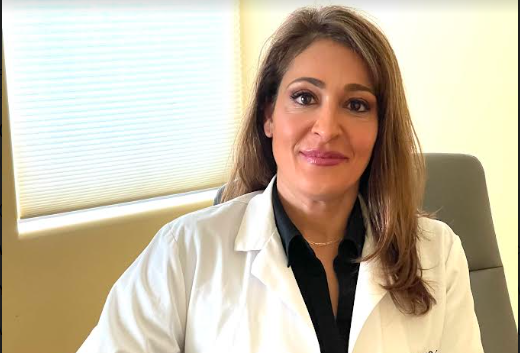 About the Author
Dr. Jin Eslami, DDS, MS, is a board-certified periodontist with over 30 years of experience in periodontal disease treatment, dental implants, and advanced bone regeneration. Based in Rancho Santa Margarita, she specializes in complex cases involving severe gum disease and full-arch implant rehabilitation. Dr. Eslami is a strong advocate for the connection between oral health and systemic conditions, including cardiovascular disease and cancer.
To learn more or schedule a consultation, contact Dr. Eslami’s office for expert periodontal and implant care.
Orange County Oral Surgery & Periodontics
Phone: 949-888-0332
Website: https://www.ocosperio.com/
Filed under Blog, Periodontal . You can follow any responses to this entry through the RSS 2.0 feed. Both comments and pings are currently closed.
Tags: Bleeding Gums Are Not Normal, Genetics, Hidden Cause of Tooth Loss, Mouth-Body Connection, Professional Periodontal Care Matters, Saving Teeth
Comments are closed.