
Can Hormonal Changes Impact Women’s Dental Well-Being
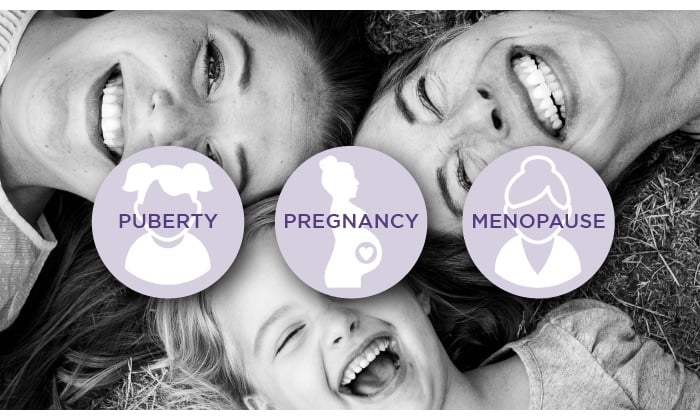 How Hormonal Changes Impact Women’s Dental Well-Being
Hormones influence far more than mood, metabolism, and reproductive health—they play a critical role in oral health as well. Throughout a woman’s life, natural hormonal fluctuations can significantly affect the gums, teeth, and overall periodontal condition. Understanding these changes allows for more proactive care and can help prevent long-term dental complications.
Puberty: The First Shift
During puberty, increased levels of estrogen and progesterone enhance blood flow to the gums. This can make gum tissue more sensitive to plaque and bacteria, often leading to puberty gingivitis. Symptoms may include redness, swelling, and bleeding during brushing or flossing—even when oral hygiene habits are relatively good.
At this stage, reinforcing consistent brushing, flossing, and professional cleanings is essential. Early intervention helps establish habits that protect periodontal health long term.
Menstrual Cycle: Subtle but Noticeable Changes
Some women experience cyclical gum sensitivity tied to their menstrual cycle. In the days leading up to menstruation, hormonal fluctuations can cause:
- Increased gum inflammation
- Bleeding gums
- Occasional canker sores
These symptoms are usually temporary, resolving once hormone levels stabilize. However, they highlight how responsive oral tissues are to systemic changes.
Pregnancy: A High-Risk Period for Gum Disease
Pregnancy introduces profound hormonal shifts, particularly elevated progesterone levels. This can lead to pregnancy gingivitis, characterized by:
- Swollen, tender gums
- Increased bleeding
- Heightened inflammatory response to plaque
In some cases, women may develop pregnancy tumors (pyogenic granulomas)—benign growths on the gums that typically resolve after delivery.
More importantly, there is a well-documented link between periodontal disease and adverse pregnancy outcomes, including preterm birth and low birth weight. This makes periodontal evaluation and maintenance especially important during pregnancy.
Oral Health Tip During Pregnancy
Routine dental care is safe and recommended. Preventive periodontal therapy can reduce inflammation and improve both maternal and fetal health outcomes.
Menopause: Dry Mouth and Bone Loss
Menopause marks another significant hormonal transition, primarily due to decreased estrogen levels. This stage can bring several oral health challenges:
- Dry mouth (xerostomia), increasing cavity risk
- Burning mouth syndrome
- Altered taste sensation
- Increased risk of periodontal disease and bone loss
Estrogen plays a role in maintaining bone density, including the alveolar bone that supports teeth. Reduced levels can accelerate bone resorption, making periodontal disease more severe and tooth loss more likely if untreated.
Hormones and Periodontal Disease: The Bigger Picture
Hormonal changes don’t cause gum disease on their own—but they amplify the body’s response to plaque. This means that even small amounts of bacteria can trigger exaggerated inflammation during certain life stages.
For patients with existing periodontal disease, these hormonal shifts can worsen the condition more rapidly, making regular periodontal monitoring essential.
Practical Strategies for Maintaining Oral Health
Across all life stages, a few key strategies can help mitigate hormone-related dental issues:
- Maintain meticulous oral hygiene (brushing twice daily, flossing daily)
- Schedule regular dental and periodontal evaluations
- Consider more frequent cleanings during high-risk periods (e.g., pregnancy, menopause)
- Stay hydrated and manage dry mouth if present
- Use antimicrobial rinses if recommended by your dentist or periodontist
Final Thoughts
Women’s oral health is closely tied to hormonal balance throughout life. From puberty to menopause, these changes can increase susceptibility to gum inflammation and periodontal disease. The good news is that with awareness, early intervention, and consistent care, these risks can be effectively managed.
For clinicians, recognizing these patterns allows for more personalized treatment planning. For patients, understanding the connection empowers better long-term oral and systemic health decisions.
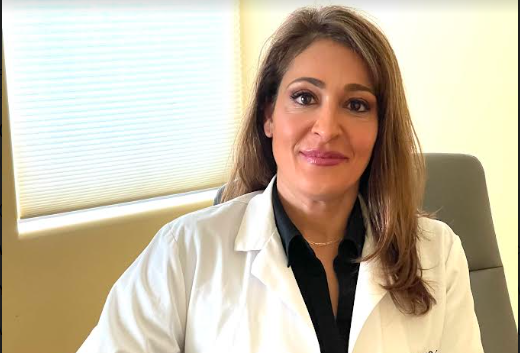 About the Author
Dr. Jin Eslami, DDS, MS, is a board-certified periodontist with over 30 years of experience in periodontal disease treatment, dental implants, and advanced bone regeneration. Based in Rancho Santa Margarita, she specializes in complex cases involving severe gum disease and full-arch implant rehabilitation. Dr. Eslami is a strong advocate for the connection between oral health and systemic conditions, including cardiovascular disease and cancer.
To learn more or schedule a consultation, contact Dr. Eslami’s office for expert periodontal and implant care.
Orange County Oral Surgery & Periodontics
Phone: 949-888-0332
Website: https://www.ocosperio.com/
Filed under Blog, Periodontal . You can follow any responses to this entry through the RSS 2.0 feed. Both comments and pings are currently closed.
Tags: bone loss, Burning mouth syndrome, Dry mouth, Hormones, Increased risk of periodontal disease, Menopause, Menstrual Cycle, periodontal disease, Pregnancy, Puberty
Comments are closed.