Orange County Oral Surgery and Periodontics
Study shows that light therapy improves gum disease outcomes at home
 Can Light Therapy Improve Gum Disease at Home?
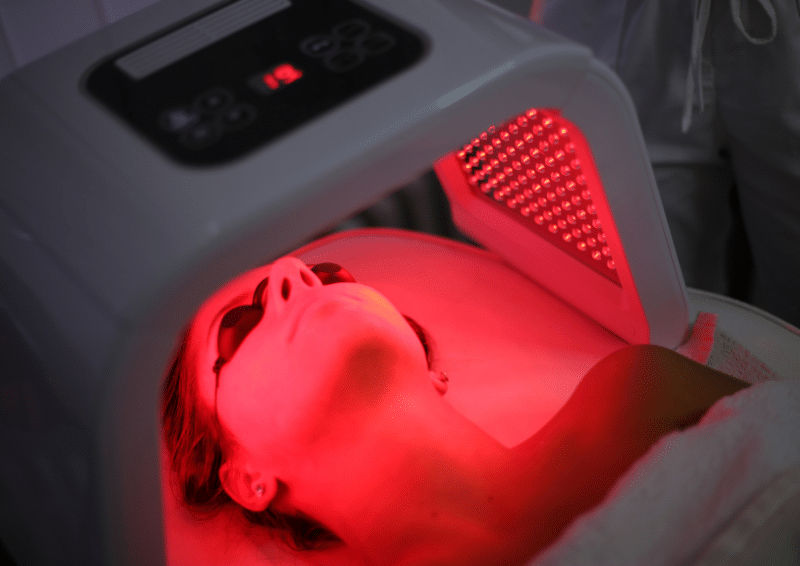
Gum disease has traditionally been treated in the dental office—with deep cleanings, antimicrobial therapies, and ongoing periodontal maintenance. But a growing body of research suggests something surprising:
Light therapy may help improve gum health—right from home.
Also known as photobiomodulation (PBM) or low-level light therapy, this technology is gaining attention as a supportive tool for managing inflammation and promoting healing in patients with periodontal disease.
Let’s look at what the science actually says—and what it means for patients.
What Is Light Therapy for Gum Disease?
Light therapy uses specific wavelengths of red or near-infrared light to stimulate cellular activity.
Unlike surgical lasers used in dental procedures, these at-home devices operate at much lower energy levels and are designed to:
- Reduce inflammation
- Improve circulation
- Support tissue healing
- Potentially reduce harmful bacterial activity
The concept is rooted in cellular biology: light energy is absorbed by mitochondria, increasing ATP (energy) production and enhancing the body’s natural healing response.
What Does the Research Show?
Recent clinical studies have evaluated light therapy as an adjunct—not a replacement—for traditional periodontal care.
Research published in journals such as the Journal of Clinical Periodontology and supported by organizations like the American Academy of Periodontology suggests:
- Patients using light therapy alongside standard treatment showed reduced gum inflammation
- Improvements in bleeding on probing were noted
- Some studies reported reduced pocket depths over time
- Patients experienced less discomfort during healing
A key takeaway:
Light therapy appears to enhance healing after professional treatment, rather than replace scaling and root planing or maintenance visits.
How Does Light Therapy Help the Gums?
The benefits come down to how light interacts with your cells.
1. Reduces Inflammation
Gum disease is fundamentally an inflammatory condition. Light therapy helps modulate inflammatory pathways, leading to calmer, less swollen gum tissue.
2. Promotes Tissue Repair
By increasing cellular energy production, light therapy accelerates healing of the gum tissue after bacterial damage.
3. Improves Blood Flow
Better circulation delivers oxygen and nutrients to compromised areas, supporting regeneration.
4. May Impact Bacteria
While not a primary antibacterial treatment, certain wavelengths may create an environment less favorable for harmful periodontal bacteria.
Can You Use Light Therapy at Home?
Yes—but with an important caveat.
At-home light therapy devices are designed to be adjunctive tools, meaning they should be used in combination with professional care, not instead of it.
They may be especially helpful for patients who:
- Have gingivitis or early periodontitis
- Experience frequent gum inflammation
- Are undergoing periodontal maintenance
- Want to improve healing after deep cleanings
However, they cannot remove plaque or tartar, which are the root causes of gum disease.
What Light Therapy Cannot Do
It’s important to stay grounded in reality.
Light therapy does not:
- Replace professional cleanings
- Remove tartar
- Cure moderate to severe periodontitis on its own
- Eliminate the need for flossing and brushing
Think of it as a supportive therapy, similar to how anti-inflammatory strategies help manage chronic conditions—but don’t eliminate the underlying cause.
Is It Safe?
When used as directed, low-level light therapy is generally considered safe.
Devices cleared through regulatory pathways and used appropriately have shown:
- Minimal to no side effects
- No damage to surrounding tissues
- Good patient tolerance
That said, patients should always consult with their dental professional before starting any at-home device—especially if they have existing periodontal disease or medical conditions.
Who Benefits the Most?
Light therapy may be particularly beneficial for:
- Patients with chronic gingivitis
- Individuals with mild to moderate periodontal disease
- Patients with systemic inflammation (such as diabetes)
- Those looking to enhance healing after periodontal procedures
For high-risk patients, combining professional care with supportive therapies can make a measurable difference in long-term outcomes.
The Future of Periodontal Care?
We’re seeing a shift in dentistry toward patient-driven, at-home support tools that extend care beyond the dental chair.
Light therapy fits into this model—bridging the gap between visits and helping patients stay ahead of inflammation.
While more long-term studies are still needed, the current evidence is promising.
Bottom Line
Light therapy is not a cure for gum disease—but it may be a valuable addition to your home care routine.
When combined with:
- Professional cleanings
- Consistent brushing and flossing
- Regular periodontal maintenance
…it can help reduce inflammation, support healing, and improve overall gum health.
 About the Author
Dr. Jin Eslami, DDS, MS, is a board-certified periodontist with over 30 years of experience in periodontal disease treatment, dental implants, and advanced bone regeneration. Based in Rancho Santa Margarita, she specializes in complex cases involving severe gum disease and full-arch implant rehabilitation. Dr. Eslami is a strong advocate for the connection between oral health and systemic conditions, including cardiovascular disease and cancer.
To learn more or schedule a consultation, contact Dr. Eslami’s office for expert periodontal and implant care.
Orange County Oral Surgery & Periodontics
Phone: 949-888-0332
Website: https://www.ocosperio.com/
How Often Should You Get Teeth Cleaning?
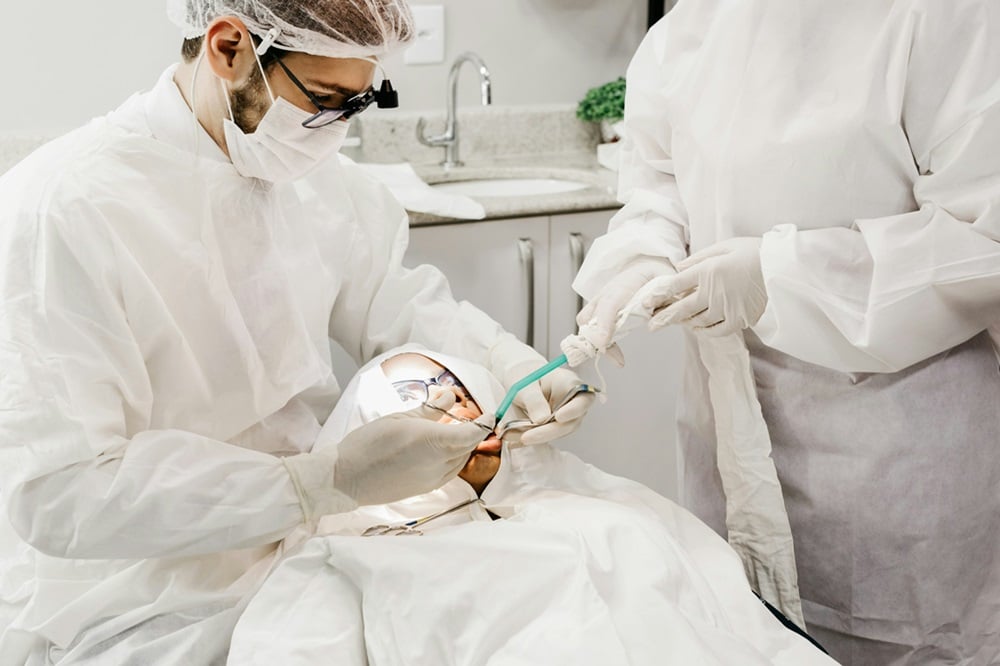 How Often Do You Really Need a Dental Cleaning?
Your dentist probably tells you to come back every six months. For some people, that’s exactly right.
For others, it’s either too often—or not often enough.
The truth is, how often you need a professional teeth cleaning isn’t one-size-fits-all. It depends on what’s happening inside your mouth, your gum health, and even your overall medical condition.
Let’s break down what actually determines your ideal cleaning schedule.
What Determines Your Cleaning Frequency?
Your recall interval isn’t random—it’s based on how quickly plaque turns into tartar, how your gums respond to bacteria, and your individual risk factors.
The traditional six-month recommendation works well for people with:
- Healthy gums
- Minimal inflammation
- Average plaque accumulation
Research supported by organizations like the American Dental Association shows that many adults accumulate enough tartar within six months to benefit from professional removal.
However, several factors can shift that timeline:
Saliva composition:
Some people naturally form tartar faster due to higher mineral content in saliva.
Genetics:
A family history of gum disease increases your risk and may require closer monitoring.
Lifestyle habits:
Smoking, frequent coffee consumption, and inconsistent flossing accelerate buildup.
Systemic health:
Conditions like diabetes or immune disorders can significantly impact gum health.
How Gum Disease Changes Everything
Gum disease is the single biggest factor that determines how often you should be seen.
Gingivitis (Early Stage)
If you have early inflammation, you may need cleanings every 3–4 months to prevent progression.
The American Academy of Periodontology emphasizes that more frequent cleanings reduce inflammation and help prevent the transition to periodontitis.
Periodontitis (Advanced Disease)
For moderate to severe cases, visits are typically every 3 months—or even every 6–8 weeks in certain situations.
These are not routine cleanings. They are periodontal maintenance visits, designed to:
- Disrupt bacteria below the gumline
- Control inflammation
- Preserve bone support
Skipping these visits allows bacteria to repopulate, leading to deeper pockets and potential tooth loss.
A study in the Journal of Periodontology showed that patients maintaining quarterly visits had significantly better long-term outcomes than those extending to six months or longer.
What If You Build Tartar Quickly?
Not everyone accumulates tartar at the same rate.
Some patients develop very little over six months. Others form heavy deposits in just 8–10 weeks.
If your hygienist consistently finds significant buildup, a 3–4 month interval is more appropriate.
Important to understand:
- Plaque hardens into tartar in as little as 24–72 hours
- Once hardened, it cannot be removed at home
Common causes of heavy buildup include:
- High mineral saliva
- Dry mouth
- Crowded teeth
- Orthodontic appliances or retainers
How Medical Conditions Influence Your Schedule
Your mouth doesn’t exist in isolation—your overall health directly affects your gums.
Diabetes
Patients with diabetes are more prone to infections and inflammation. Cleanings every 3–4 months are often recommended.
Cardiovascular Disease
Chronic gum inflammation is linked to heart health. Maintaining periodontal stability may help reduce systemic inflammatory burden.
Pregnancy
Hormonal changes can trigger pregnancy gingivitis, even in previously healthy patients. An additional cleaning during the second trimester is often beneficial.
Autoimmune Conditions
Diseases like lupus or rheumatoid arthritis—and medications that suppress the immune system—can increase risk for gum disease.
Cancer Therapy
Chemotherapy and radiation can compromise oral tissues. These patients often require more frequent, carefully managed cleanings coordinated with their medical team.
Can You Go Longer Than Six Months?
In very select cases—yes.
You might be able to extend to 8–12 months if you have:
- Excellent oral hygiene
- No bleeding or inflammation
- Minimal plaque accumulation
- No systemic risk factors
However, most dental professionals caution against extending beyond 8 months, because problems like:
- Early decay
- Deepening gum pockets
- Bone loss
can develop silently.
The Real Cost of Skipping Cleanings
Skipping routine care isn’t just about plaque—it’s about what develops when bacteria are left undisturbed.
Typical costs:
- Preventive cleaning: $75–$200
- Gum disease treatment: $500–$5,000+
- Restorative procedures (crowns, root canals): significantly higher
According to the Centers for Disease Control and Prevention, nearly 50% of adults over 30 have some form of gum disease.
Beyond cost, there’s a bigger concern: systemic health.
Chronic gum inflammation has been associated with:
- Diabetes complications
- Cardiovascular disease
- Stroke
- Pregnancy complications
Routine cleanings help reduce this inflammatory burden.
Frequently Asked Questions
How do I know if I need more frequent cleanings?
Your provider will assess bleeding, pocket depths, bone levels, and tartar accumulation. If you’re unsure, ask directly—your cleaning interval should always be personalized.
Will insurance cover more than two cleanings per year?
Some plans do, especially with a documented periodontal diagnosis. Always verify coverage in advance.
Can brushing and flossing replace professional cleanings?
No. Once tartar forms, only professional instruments can safely remove it—especially below the gumline.
Bottom Line
The “every six months” rule is a guideline—not a rule.
Your ideal schedule depends on:
- Your biology
- Your habits
- Your medical history
- Your gum health
The best approach is a customized one—based on risk, not routine.
About the AuthorDr. Jin Eslami, DDS, MS, is a board-certified periodontist with over 30 years of experience in periodontal disease treatment, dental implants, and advanced bone regeneration. Based in Rancho Santa Margarita, she specializes in complex cases involving severe gum disease and full-arch implant rehabilitation. Dr. Eslami is a strong advocate for the connection between oral health and systemic conditions, including cardiovascular disease and cancer.
To learn more or schedule a consultation, contact Dr. Eslami’s office for expert periodontal and implant care.
Orange County Oral Surgery & Periodontics
Phone: 949-888-0332
Website: https://www.ocosperio.com/
Mouth Bacteria and the Liver: The Overlooked Connection Between Gum Disease and Systemic Health
 Mouth Bacteria and the Liver: The Overlooked Connection Between Gum Disease and Systemic Health When most people think about oral health, they focus on teeth and gums in isolation. But the reality is far more complex: the mouth is a gateway to the rest of the body. Emerging research continues to reveal that bacteria originating in the mouth can travel far beyond it—reaching vital organs like the liver and contributing to systemic disease.
One of the most important, yet underappreciated, sources of these harmful bacteria is periodontal (gum) disease.
How Do Oral Bacteria Reach the Liver?
Gum disease is a chronic inflammatory condition caused by bacterial infection beneath the gumline. In moderate to severe cases, the gums become ulcerated, creating microscopic entry points for bacteria to enter the bloodstream—a process known as bacteremia.
Once in circulation, these bacteria don’t just disappear. They can:
Travel through the bloodstream
Evade immune defenses
Colonize distant organs, including the liver
This is especially concerning because the liver plays a central role in detoxification, metabolism, and immune regulation.
The Oral-Liver Axis
Recent studies have begun to highlight what researchers call the oral-liver axis—a biological link between oral bacteria and liver health.
Specific periodontal pathogens, such as Porphyromonas gingivalis, have been detected in liver tissue. These bacteria are believed to:
Promote liver inflammation
Disrupt normal metabolic processes
Contribute to conditions such as non-alcoholic fatty liver disease (NAFLD) and liver fibrosis
Chronic inflammation from gum disease may amplify this process, creating a two-way cycle where systemic inflammation worsens both liver and periodontal health.
Why This Matters
Liver disease often progresses silently. Many patients are unaware they have early-stage liver dysfunction until it becomes more advanced. At the same time, gum disease is also frequently painless in its early stages, making it easy to ignore.
The connection between the two means:
Untreated gum disease may increase systemic inflammatory burden
Oral bacteria may directly contribute to liver pathology
Managing periodontal health could play a role in protecting liver function
Signs You Shouldn’t Ignore
Gum disease is not just a dental issue—it’s a medical one. Warning signs include:
Bleeding gums when brushing or flossing
Persistent bad breath
Gum recession or loose teeth
Swelling or tenderness
These symptoms may indicate a bacterial load significant enough to impact systemic health.
The Role of Periodontal Treatment
The good news is that periodontal disease is both preventable and treatable. Professional care can significantly reduce bacterial burden and inflammation.
Effective treatment may include:
Deep cleaning (scaling and root planing)
Surgical therapy in advanced cases
Ongoing periodontal maintenance
By controlling infection at its source—the gums—you reduce the likelihood of bacteria spreading to other parts of the body, including the liver.
A Broader Perspective on Health
The traditional separation between dentistry and medicine is rapidly dissolving. Oral health is increasingly recognized as a critical component of overall wellness.
Protecting your gums is not just about saving your teeth—it may be about protecting your liver, your heart, and your long-term health.
Final Thought
The idea that “mouth bacteria can reach your liver” is not just theoretical—it is supported by growing scientific evidence. Gum disease is a chronic infection, and like any infection, its effects are not confined to one area.
Taking periodontal health seriously is one of the most impactful—and often overlooked—steps you can take toward total body health.
About the AuthorDr. Jin Eslami, DDS, MS, is a board-certified periodontist with over 30 years of experience in periodontal disease treatment, dental implants, and advanced bone regeneration. Based in Rancho Santa Margarita, she specializes in complex cases involving severe gum disease and full-arch implant rehabilitation. Dr. Eslami is a strong advocate for the connection between oral health and systemic conditions, including cardiovascular disease and cancer.
To learn more or schedule a consultation, contact Dr. Eslami’s office for expert periodontal and implant care.
Orange County Oral Surgery & Periodontics
Phone: 949-888-0332
Website: https://www.ocosperio.com/
Brain Health, Environment, and the Overlooked Role of Periodontal Disease
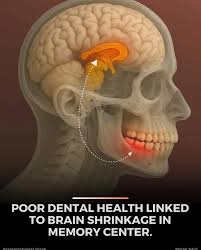 Brain Health, Environment, and the Overlooked Role of Periodontal Disease
By Dr. Jin Eslami, DDS, MS — Board-Certified Periodontist
A major new report from the American Heart Association underscores what many healthcare professionals are beginning to recognize: brain health is not determined by genetics alone. It is profoundly shaped by environmental and lifestyle factors—especially sleep quality, air pollution exposure, and mental health.
But there’s a critical piece missing from this conversation.
Oral health—specifically periodontal disease—may be one of the most underrecognized contributors to brain health across the lifespan.
The Mouth–Brain Connection: More Than a Theory
Periodontal disease is a chronic inflammatory condition driven by pathogenic bacteria beneath the gumline. Left untreated, it leads to progressive bone loss and systemic inflammation.
This matters because the brain is highly sensitive to inflammation.
Emerging research in neuroinflammation suggests that chronic peripheral inflammation—like that seen in periodontal disease—can contribute to cognitive decline, impaired memory, and increased risk of neurodegenerative disorders. Oral pathogens and their inflammatory byproducts have even been detected in brain tissue, raising serious concerns about long-term exposure.
Sleep, Inflammation, and Periodontal Disease
The AHA report highlights sleep as a cornerstone of brain health. Poor sleep disrupts the body’s ability to regulate inflammation and repair tissue.
Now consider this:
- Patients with periodontal disease often exhibit elevated systemic inflammatory markers
- Chronic inflammation can impair sleep quality
- Sleep disorders (like sleep apnea) are linked to both periodontal breakdown and cognitive impairment
This creates a bidirectional cycle:
Poor sleep worsens periodontal disease → periodontal inflammation worsens systemic health → systemic inflammation further disrupts brain function and sleep.
Air Pollution and the Oral-Systemic Link
Air pollution is another major environmental factor cited in the report. Fine particulate matter (PM2.5) has been associated with increased risk of stroke, dementia, and cognitive decline.
What’s often overlooked is how inhaled toxins also affect the oral cavity:
- Pollutants can alter the oral microbiome
- Increased oxidative stress may accelerate periodontal breakdown
- Compromised immune response allows pathogenic bacteria to flourish
In essence, environmental toxins don’t just reach the brain—they enter through and impact the mouth first.
Mental Health, Stress, and Gum Disease
Mental health is deeply intertwined with both brain function and oral health.
Chronic stress and conditions like anxiety and depression can:
- Suppress immune function
- Increase inflammatory burden
- Lead to neglect of oral hygiene
- Exacerbate periodontal disease progression
At the same time, living with advanced periodontal disease—bleeding gums, tooth mobility, halitosis—can negatively affect self-esteem and social confidence, further impacting mental well-being.
Why Periodontal Health Belongs in the Brain Health Conversation
The AHA report calls for a broader, more integrated approach to brain health—one that includes environmental, behavioral, and medical factors.
Periodontal disease sits at the intersection of all three:
- It is influenced by lifestyle (oral hygiene, smoking, stress)
- It is worsened by environmental exposures (pollution, systemic disease)
- It contributes to chronic inflammation, a known driver of cognitive decline
Yet it is rarely included in brain health strategies.
A Preventive Opportunity Hiding in Plain Sight
Unlike many neurological conditions, periodontal disease is:
- Detectable early
- Treatable
- Often preventable
Routine periodontal evaluations, early intervention, and maintenance therapy may not only preserve teeth—but potentially reduce systemic inflammatory burden and support long-term brain health.
Final Thought
If we are serious about protecting brain health across the lifespan, we must expand our lens.
The mouth is not separate from the body—it is an integral part of it.
Ignoring periodontal disease in the context of brain health is no longer an oversight—it’s a missed opportunity.
About the Author
Dr. Jin Eslami, DDS, MS, is a board-certified periodontist with over 30 years of experience in periodontal disease treatment, dental implants, and advanced bone regeneration. Based in Rancho Santa Margarita, she specializes in complex cases involving severe gum disease and full-arch implant rehabilitation. Dr. Eslami is a strong advocate for the connection between oral health and systemic conditions, including cardiovascular disease and cancer.
To learn more or schedule a consultation, contact Dr. Eslami’s office for expert periodontal and implant care.
Orange County Oral Surgery & Periodontics
Phone: 949-888-0332
Website: https://www.ocosperio.com/
Advanced Longevity & “SuperAgers”: The Overlooked Role of Periodontal Health
 Advanced Longevity & “SuperAgers”: The Overlooked Role of Periodontal Health
When people talk about longevity, the conversation usually centers on genetics, diet, exercise, and increasingly, cutting-edge therapies. But there’s a critical piece that rarely gets the attention it deserves: the health of your gums.
“SuperAgers”—individuals who maintain exceptional physical and cognitive function well into their later decades—don’t just benefit from good luck or good genes. They tend to have lower levels of systemic inflammation, preserved function, and fewer chronic conditions. Periodontal health sits quietly at the center of all three.
The Inflammation Connection: Where Aging Begins
Aging, at its core, is driven in part by chronic, low-grade inflammation. This process—often referred to as Chronic Inflammation—is now recognized as a major contributor to cardiovascular disease, cognitive decline, and metabolic disorders.
Periodontal disease is not just a localized infection of the gums; it is a chronic inflammatory condition. The bacteria associated with periodontal disease trigger an immune response that can extend beyond the oral cavity, contributing to systemic inflammatory burden.
SuperAgers tend to avoid this constant inflammatory “background noise.” Managing periodontal disease is one of the most direct—and often overlooked—ways to reduce that burden.
Oral Health and Brain Longevity
One of the most compelling areas of research in longevity is the connection between oral health and brain function. Studies have shown associations between periodontal pathogens and neuroinflammation, a key factor in cognitive decline.
Conditions like Alzheimer’s disease have been linked to inflammatory processes that may, in part, originate in the mouth. While periodontal disease is not the sole cause, it may act as a contributing factor in accelerating neurological aging.
SuperAgers are defined not just by how long they live, but by how well their brains function. Maintaining periodontal health may be one of the simplest ways to support long-term cognitive resilience.
Functional Longevity: The Ability to Eat, Speak, and Thrive
Longevity is not just about adding years to life—it’s about preserving independence and quality of life. One of the most underappreciated aspects of aging well is the ability to chew effectively.
Advanced periodontal disease is a leading cause of tooth loss. This, in turn, limits dietary choices, often pushing individuals toward softer, more processed foods that lack nutritional density. Over time, this can contribute to muscle loss, metabolic decline, and overall frailty.
SuperAgers maintain function. They eat well, they nourish their bodies properly, and they retain the ability to do so because they’ve preserved their oral health.
The Cardiovascular Link
The relationship between periodontal disease and systemic health extends to the cardiovascular system. Research has demonstrated associations between periodontal disease and conditions such as Cardiovascular disease.
The underlying mechanism again points back to inflammation and bacterial pathways that may influence vascular health. While periodontal disease does not directly cause heart disease, it is increasingly recognized as a contributing risk modifier.
For individuals focused on longevity, reducing modifiable risk factors is essential—and periodontal treatment plays a meaningful role in that strategy.
Why Treatment Matters
The good news is that periodontal disease is both preventable and treatable. Early intervention can significantly reduce inflammation, preserve bone and tooth structure, and improve overall health outcomes.
Treatment is not just about saving teeth—it’s about reducing systemic burden:
Lowering inflammatory markers
Improving metabolic and cardiovascular profiles
Supporting long-term cognitive and physical health
For those striving to become SuperAgers, periodontal care should not be optional—it should be foundational.
A Clinical Perspective
As a board-certified periodontist, I’ve seen firsthand how untreated periodontal disease quietly impacts a patient’s overall health trajectory. Many patients focus on visible signs of aging while overlooking the silent inflammation occurring in their gums.
Addressing periodontal disease is not simply a dental decision—it is a longevity decision.
The Takeaway
If the goal is not just to live longer, but to live better, periodontal health must be part of the conversation.
SuperAgers are not defined by one habit, but by a collection of small, consistent decisions that reduce inflammation, preserve function, and support whole-body health. Healthy gums may not be the most talked-about factor in longevity—but they are one of the most impactful.
About the AuthorDr. Jin Eslami, DDS, MS, is a board-certified periodontist with over 30 years of experience in periodontal disease treatment, dental implants, and advanced bone regeneration. Based in Rancho Santa Margarita, she specializes in complex cases involving severe gum disease and full-arch implant rehabilitation. Dr. Eslami is a strong advocate for the connection between oral health and systemic conditions, including cardiovascular disease and cancer.
To learn more or schedule a consultation, contact Dr. Eslami’s office for expert periodontal and implant care.
Orange County Oral Surgery & Periodontics
Phone: 949-888-0332
Website: https://www.ocosperio.com/
Mental Health and Periodontal Disease: A Two-Way Relationship You Shouldn’t Ignore
 Mental Health and Periodontal Disease: A Two-Way Relationship You Shouldn’t Ignore

Mental health and oral health are often treated as separate conversations—but clinically, they are deeply connected. The relationship between psychological well-being and periodontal disease is not only real, it’s bidirectional: mental health can influence the onset and progression of gum disease, and periodontal disease may, in turn, impact mental health.
Understanding this connection is essential for both prevention and long-term health.
How Mental Health Affects Periodontal Health
Conditions such as Depression and Anxiety can significantly influence daily behaviors that are critical to maintaining oral health.
Patients struggling with mental health challenges may experience:
- Reduced motivation for oral hygiene (brushing, flossing)
- Irregular dental visits or avoidance of care
- Increased consumption of sugary or acidic foods
- Higher rates of smoking or alcohol use
Over time, these factors create the ideal environment for plaque accumulation, inflammation, and ultimately periodontal disease.
But behavior is only part of the story.
The Biological Link: Stress and Inflammation
Mental health conditions are closely tied to Chronic Stress, which has direct physiological effects on the body.
Chronic stress can:
- Elevate cortisol levels
- Suppress immune function
- Increase systemic inflammation
This creates a heightened susceptibility to infections—including periodontal disease. The body becomes less effective at controlling the bacterial challenge in the gums, allowing inflammation to progress more rapidly and more severely.
When Gum Disease Affects Mental Health
The relationship also runs in the opposite direction.
Advanced periodontal disease can lead to:
- Gum recession
- Tooth mobility or tooth loss
- Chronic bad breath
- Changes in appearance and speech
These issues can significantly impact self-esteem, social confidence, and overall quality of life. Patients may withdraw socially, avoid smiling, or feel embarrassed in professional and personal settings.
Over time, this can contribute to or worsen symptoms of depression and anxiety—creating a cycle that is difficult to break.
The Role of Systemic Inflammation
Both mental health disorders and periodontal disease share a common underlying factor: Chronic Inflammation.
Emerging research suggests that systemic inflammation may play a role in the development and progression of mood disorders. Periodontal disease, as a chronic inflammatory condition, may contribute to this overall inflammatory burden.
While it is not accurate to say that gum disease causes mental illness, it is increasingly clear that it may be one piece of a much larger puzzle.
Medications and Oral Health
Many medications used to manage mental health conditions can also have oral side effects, including:
- Dry mouth (reduced saliva flow)
- Increased risk of cavities and gum disease
- Altered taste
Saliva plays a critical role in protecting the oral environment. When it is reduced, bacteria can thrive, further increasing the risk of periodontal breakdown.
Breaking the Cycle
The good news is that this cycle can be interrupted—with awareness and early intervention.
Key strategies include:
- Consistent, simple oral hygiene routines
- Regular periodontal evaluations and maintenance
- Managing dry mouth when present
- Coordinating care between dental and medical providers
Even small improvements in oral health can have a meaningful impact on overall well-being—and vice versa.
A Clinical Perspective
As a board-certified periodontist, I often see patients where the signs of periodontal disease are not just clinical—they reflect broader health challenges. Mental health is one of the most important, and most overlooked, factors influencing oral health outcomes.
Addressing periodontal disease without acknowledging the role of mental health can limit long-term success. True care requires a more comprehensive view of the patient.
The Takeaway
Mental health and periodontal health are interconnected in ways that are both behavioral and biological. Ignoring one while treating the other is an incomplete approach.
If the goal is long-term health—both physically and emotionally—oral health must be part of the conversation.
Healthy gums are not just about teeth. They are part of a much larger system that includes the brain, the immune system, and overall quality of life.
About the Author
Dr. Jin Eslami, DDS, MS, is a board-certified periodontist with over 30 years of experience in periodontal disease treatment, dental implants, and advanced bone regeneration. Based in Rancho Santa Margarita, she specializes in complex cases involving severe gum disease and full-arch implant rehabilitation. Dr. Eslami is a strong advocate for the connection between oral health and systemic conditions, including cardiovascular disease and cancer.
To learn more or schedule a consultation, contact Dr. Eslami’s office for expert periodontal and implant care.
Orange County Oral Surgery & Periodontics
Phone: 949-888-0332
Website: https://www.ocosperio.com/
Can Mouthwash cause Heart Disease?
 Can Mouthwash cause Heart Disease? There’s been a quiet buzz—especially online—suggesting that using mouthwash could increase your risk of heart disease. It’s the kind of claim that grabs attention quickly: something as routine as rinsing your mouth might be harming your heart?
Let’s separate signal from noise.
Where Did This Concern Come From?
The concern stems from research into the oral microbiome—the community of bacteria living in your mouth—and its role in producing nitric oxide. Nitric oxide is important because it helps regulate blood pressure by relaxing blood vessels.
Certain beneficial oral bacteria help convert dietary nitrates (from foods like leafy greens) into nitric oxide. Some studies have suggested that strong antibacterial mouthwashes may reduce these helpful bacteria, potentially lowering nitric oxide levels and, in theory, affecting blood pressure.
That’s the origin of the concern.
What Does the Science Actually Say?
Here’s the key point: there is no strong clinical evidence showing that mouthwash causes heart disease.
Some small studies have shown:
- A temporary increase in blood pressure with frequent use of certain antiseptic mouthwashes
- Changes in oral bacteria after use
But these findings:
- Are modest
- Are not consistent across all studies
- Do not establish a direct cause-and-effect relationship with heart disease
Heart disease is complex and influenced by major factors like genetics, smoking, diabetes, obesity, diet, and physical activity—not whether you used mouthwash last night.
The Real Risk of Overreaction
Avoiding mouthwash out of fear may actually do more harm than good—especially for patients who benefit from it.
Mouthwash can play an important role in:
- Reducing bacterial load
- Controlling gingivitis
- Managing bad breath
- Supporting periodontal health
And here’s the connection many people miss: gum disease itself has been linked to systemic inflammation and cardiovascular issues. Poor oral health is a clearer and more established risk factor than mouthwash use.
So… Yes or No?
No—you should not be afraid of mouthwash as a cause of heart disease.
But like many things in health, the nuance matters.
Smart, Balanced Guidance
- Use mouthwash when indicated, not blindly or excessively
- Don’t rely on it as a substitute for brushing and flossing
- If you have concerns about blood pressure, discuss them with your physician—not TikTok
- Focus on controlling inflammation in your mouth—that’s far more impactful
The Bigger Picture
The idea that mouthwash is “dangerous” is an oversimplification of early, limited data. What’s far more important is maintaining a balanced oral microbiome and minimizing chronic inflammation.
Good oral hygiene—including brushing, flossing, and appropriate use of mouthwash—supports both oral and overall health.
Final Thought
If you’re using mouthwash as part of a thoughtful oral care routine, you’re not putting your heart at risk—you’re likely helping your health more than hurting it.
The real danger isn’t mouthwash.
It’s misunderstanding the science.
About the Author
Dr. Jin Eslami, DDS, MS, is a board-certified periodontist with over 30 years of experience in periodontal disease treatment, dental implants, and advanced bone regeneration. Based in Rancho Santa Margarita, she specializes in complex cases involving severe gum disease and full-arch implant rehabilitation. Dr. Eslami is a strong advocate for the connection between oral health and systemic conditions, including cardiovascular disease and cancer.
To learn more or schedule a consultation, contact Dr. Eslami’s office for expert periodontal and implant care.
Orange County Oral Surgery & Periodontics
Phone: 949-888-0332
Website: https://www.ocosperio.com/
You’re Probably Forgetting to Clean This Part of Your Mout
 You’re Probably Forgetting to Clean This Part of Your Mouth
Most people have their oral hygiene routine dialed in—or at least they think they do. Brush twice a day, floss regularly, maybe rinse with mouthwash. It sounds complete. But there’s one critical area that often gets ignored: your tongue.
Yes, your tongue.
The Overlooked Surface
Your tongue isn’t just a muscle that helps you speak and taste—it’s also a textured surface covered in tiny bumps called papillae. These structures can trap food particles, bacteria, and dead cells. Over time, this buildup forms a coating that can contribute to bad breath and even impact your overall oral health.
While brushing and flossing target your teeth and gums, skipping your tongue means leaving behind a significant source of bacteria in your mouth.
The Real Reason Your Breath Still Smells
If you’ve ever wondered why your breath isn’t fresh even after brushing and flossing, your tongue is often the culprit. The bacteria that accumulate on the tongue produce volatile sulfur compounds (VSCs), which are responsible for that unpleasant odor.
In fact, studies suggest that the majority of bad breath cases originate from the tongue—not the teeth.
It’s Not Just About Breath
Ignoring your tongue doesn’t just affect how your breath smells. That bacterial buildup can:
Recolonize your teeth and gums after brushing
Contribute to plaque formation
Affect your sense of taste
Play a role in gum inflammation
In other words, you’re undermining your entire oral hygiene routine by skipping one simple step.
Why People Skip It
It’s not that people don’t care—it’s usually one of these reasons:
They were never taught to do it
They find it uncomfortable or triggering
They assume mouthwash does the job (it doesn’t fully)
But once you understand its importance, it becomes hard to ignore.
How to Clean Your Tongue Properly
The good news? It’s simple and takes less than 10 seconds.
Option 1: Use your toothbrush
After brushing your teeth, gently brush your tongue from back to front. Rinse and repeat a few times.
Option 2: Use a tongue scraper
These are inexpensive tools specifically designed to remove buildup more effectively. Place it at the back of your tongue and gently pull forward. Rinse after each pass.
Tips:
Be gentle—no need to scrub aggressively
Breathe out as you clean the back to reduce gag reflex
Clean your tongue daily, ideally every time you brush
The Missing Link in Oral Hygiene
Brushing and flossing are essential—but they’re not complete without tongue cleaning. Think of it this way: if you cleaned every surface in your kitchen but left the sponge dirty, would anything really stay clean?
Your mouth works the same way.
Final Thought
You’ve already built the habit of brushing and flossing. Adding your tongue to the routine is a small adjustment with a big payoff—fresher breath, better oral health, and a truly clean mouth.
About the AuthorDr. Jin Eslami, DDS, MS, is a board-certified periodontist with over 30 years of experience in periodontal disease treatment, dental implants, and advanced bone regeneration. Based in Rancho Santa Margarita, she specializes in complex cases involving severe gum disease and full-arch implant rehabilitation. Dr. Eslami is a strong advocate for the connection between oral health and systemic conditions, including cardiovascular disease and cancer.
To learn more or schedule a consultation, contact Dr. Eslami’s office for expert periodontal and implant care.
Orange County Oral Surgery & Periodontics
Phone: 949-888-0332
Website: https://www.ocosperio.com/
The Good, the Bad, and the Ugly: GLP-1 Medications and Their Effects on the Mouth
The Good, the Bad, and the Ugly: GLP-1 Medications and Their Effects on the Mouth
GLP-1 receptor agonists—such as Ozempic, Wegovy, and Mounjaro—have rapidly become household names, transforming the management of type 2 diabetes and obesity. While their systemic benefits are undeniable, their effects on oral health are often overlooked. For dental professionals, this is a growing blind spot—and an opportunity to lead.
The Good: Better Metabolic Health, Better Periodontal Outcomes:
GLP-1 medications significantly improve glycemic control and promote weight loss. For patients with uncontrolled diabetes, this can directly impact oral health.
Improved metabolic control is associated with:
Reduced inflammation
Lower severity of periodontal disease
Improved healing following surgical and non-surgical procedures
The relationship between diabetes and periodontal disease is well established. When blood sugar stabilizes, we often see measurable improvements in gingival health, including reduced bleeding on probing and more predictable maintenance outcomes.
The Bad: Xerostomia and Increased Caries Risk
One of the most commonly reported oral side effects of GLP-1 medications is dry mouth.
Saliva is essential for:
Buffering acids
Remineralizing enamel
Controlling bacterial growth
When salivary flow decreases, patients face:
Increased caries risk
Difficulty chewing and swallowing
Greater susceptibility to mucosal irritation
This creates a perfect storm for rapid dental deterioration—especially in patients already at moderate to high caries risk.
The Ugly: Acid Exposure, Erosion, and Structural Damage
GLP-1 medications delay gastric emptying, which can lead to nausea, vomiting, and reflux.
Frequent acid exposure can result in:
Dental erosion
Enamel thinning
Dentin hypersensitivity
Clinically, this often presents as smooth, glossy enamel surfaces and accelerated wear—particularly on the palatal surfaces of maxillary teeth. Left unaddressed, this can progress to significant functional and esthetic compromise.
The Hidden Factor: Appetite Suppression and Diet Changes
Patients on GLP-1 therapy often eat less—and differently.
Common patterns include:
Reduced meal frequency
Increased reliance on soft, processed foods
Decreased intake of fibrous, saliva-stimulating foods
These changes can reduce natural cleansing mechanisms, alter the oral microbiome, and contribute to plaque accumulation and caries development.
What Dental Professionals Need to Do
As GLP-1 use expands, dental teams must evolve alongside it.
Key clinical strategies:
Take a detailed medication history—patients may not disclose GLP-1 use unless asked
Screen aggressively for xerostomia
Recommend saliva substitutes or stimulants when appropriate
Counsel patients to rinse with water after vomiting and delay brushing
Increase fluoride exposure in high-risk individuals
Monitor closely for early signs of erosion and intervene early
Final Thoughts
GLP-1 medications are here to stay. They offer profound systemic benefits—but they are not without oral consequences.
The “good” is improved metabolic health and reduced periodontal burden.
The “bad” is dry mouth and increased caries risk.
The “ugly” is acid erosion and structural damage.
Dental professionals are uniquely positioned to identify, educate, and intervene early. Ignoring these effects is no longer an option—owning this conversation is essential.
About the Author
Dr. Jin Eslami, DDS, MS, is a board-certified periodontist with over 30 years of experience in periodontal disease treatment, dental implants, and advanced bone regeneration. Based in Rancho Santa Margarita, she specializes in complex cases involving severe gum disease and full-arch implant rehabilitation. Dr. Eslami is a strong advocate for the connection between oral health and systemic conditions, including cardiovascular disease and cancer.
To learn more or schedule a consultation, contact Dr. Eslami’s office for expert periodontal and implant care.
Orange County Oral Surgery & Periodontics
Phone: 949-888-0332
Website: https://www.ocosperio.com/
Why Traveling Overseas for Periodontal Treatment Isn’t Worth the Risk
 Dental tourism is on the rise, driven by lower costs and the promise of fast results. But when it comes to periodontal care, cutting corners on planning and follow-up can lead to serious complications that outweigh any initial savings.
I’ve seen a growing number of patients return from overseas treatment with significant issues—especially those who undergo aggressive procedures like full-mouth extractions without a clear, staged periodontal plan in place. In some cases, teeth are removed without proper temporization, leaving patients struggling to eat, speak, and function for months.
Periodontal treatment is not a one-time procedure—it’s a process. Whether managing advanced gum disease or transitioning a patient to a new level of oral health, success depends on careful diagnosis, phased treatment, and consistent follow-up. Removing teeth without a structured plan for immediate function and maintenance can create avoidable complications, including:
Difficulty eating and maintaining nutrition
Rapid bone loss without proper site preservation
Poorly fitting or delayed prosthetics
Increased risk of infection or delayed healing
Lack of access to the original provider for adjustments or complications
Unlike cosmetic procedures that may appear straightforward, periodontal care is deeply connected to long-term health, function, and stability. It requires continuity—something that is often missing when treatment is performed abroad.
Another critical issue is accountability. If complications arise after overseas care, patients are often left without support, and local providers are placed in a difficult position trying to manage complex cases without knowing the original treatment details.
The bottom line:
Periodontal treatment should never be rushed or fragmented. What may seem like a cost-saving decision upfront can quickly become more complex, more expensive, and more difficult to correct.
As clinicians, our role is to guide patients toward decisions that prioritize long-term health, function, and predictability. Comprehensive care, proper planning, and ongoing support are not extras—they are essential.
About the AuthorDr. Jin Eslami, DDS, MS, is a board-certified periodontist with over 30 years of experience in periodontal disease treatment, dental implants, and advanced bone regeneration. Based in Rancho Santa Margarita, she specializes in complex cases involving severe gum disease and full-arch implant rehabilitation. Dr. Eslami is a strong advocate for the connection between oral health and systemic conditions, including cardiovascular disease and cancer.
To learn more or schedule a consultation, contact
Dr. Eslami’s office for expert periodontal and implant care.
Orange County Oral Surgery & Periodontics
Phone: 949-888-0332
Website: https://www.ocosperio.com/