

What Oral Health Professionals Are Missing About Undiagnosed Diabetes
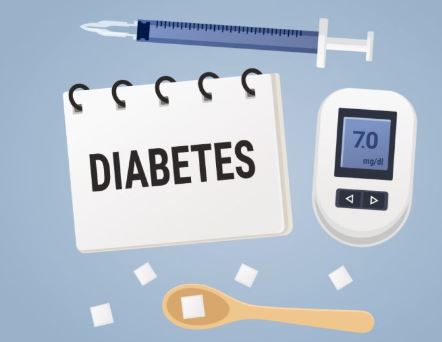 What Oral Health Professionals Are Missing About Undiagnosed Diabetes
In dental and oral surgery settings, clinicians are trained to recognize patterns—periodontal breakdown, caries progression, delayed healing. Yet one of the most significant systemic drivers behind these patterns often goes unnoticed: undiagnosed diabetes. Despite its prevalence, many oral health professionals still underestimate how frequently diabetes is present—but unrecognized—in their patient population.
The Silent Epidemic in the Dental Chair
A substantial portion of individuals with diabetes remain undiagnosed. These patients don’t walk into your office reporting blood sugar issues—they present with oral findings. The dental setting may be the first place where signs of metabolic dysfunction become clinically visible.
The problem isn’t a lack of knowledge about diabetes. It’s a gap in connecting oral manifestations to systemic disease early enough to intervene.
The Oral-Systemic Clues You Might Be Overlooking
Certain patterns should raise immediate suspicion:
Severe, generalized periodontal disease inconsistent with age or oral hygiene
Refractory inflammation despite appropriate periodontal therapy
Rapid bone loss, especially vertical defects
Multiple periodontal abscesses
Xerostomia without clear medication cause
Delayed healing post-extraction, grafting, or implant placement
Burning mouth symptoms or unexplained mucosal changes
These aren’t just dental problems—they are often metabolic warning signs.
Why This Matters for Treatment Outcomes
Undiagnosed diabetes directly impacts nearly every aspect of dental care:
Implant failure risk increases due to impaired osseointegration
Higher infection rates post-operatively
Compromised graft integration in bone augmentation procedures
Unpredictable soft tissue healing
Greater long-term periodontal instability
When a patient “doesn’t respond to treatment,” it’s not always a technique issue—it may be a systemic one.
The Missed Opportunity: Screening in the Dental Office
Oral health professionals are uniquely positioned to identify at-risk patients before diagnosis occurs elsewhere. Yet routine screening is still not widely implemented.
Simple steps can change this:
Incorporate risk assessment questions:
Family history of diabetes
Frequent urination, thirst, fatigue
History of cardiovascular disease
Use chairside HbA1c testing where permitted
Refer patients for medical evaluation when clinical suspicion is high
You are often seeing patients more frequently than their primary care physician. That access is powerful—and underutilized.
The Periodontal-Diabetes Feedback Loop
The relationship is not one-directional:
Diabetes worsens periodontal disease through impaired immune response and vascular changes
Periodontal inflammation increases systemic inflammatory burden, worsening glycemic control
Failing to identify diabetes means you may be treating a condition that is biologically reinforced from both directions.
Rethinking “Hopeless Dentition”
In cases of advanced bone loss and rampant decay, many clinicians move toward full-arch extraction and implant rehabilitation. While often appropriate, undiagnosed diabetes can:
Accelerate the initial disease process
Complicate surgical outcomes
Reduce long-term success of implants
Identifying and stabilizing glycemic control before definitive treatment can dramatically improve outcomes.
A Shift in Clinical Mindset
The key shift is this:
Stop viewing oral disease in isolation when the presentation is disproportionate.
Ask yourself:
Does the severity match the patient’s hygiene and history?
Is healing progressing as expected?
Are multiple red flags appearing simultaneously?
If not, it’s time to think systemically.
The Future of Dentistry Is Integrated
Dentistry is no longer just about teeth—it’s about total health. The separation between medical and dental care is narrowing, and diabetes sits at the center of that convergence.
Oral health professionals who recognize this early will not only improve clinical outcomes but also play a critical role in identifying a life-altering disease.
Bottom Line
Undiagnosed diabetes is not rare in your practice—it’s just under-recognized. The signs are already in your operatory. The question is whether they’re being connected.
By sharpening your awareness and incorporating simple screening protocols, you can move from treating symptoms to identifying root causes—and ultimately, delivering a higher standard of care.
About the Author Dr. Jin Eslami, DDS, MS, is a board-certified periodontist with over 30 years of experience in periodontal disease treatment, dental implants, and advanced bone regeneration. Based in Rancho Santa Margarita, she specializes in complex cases involving severe gum disease and full-arch implant rehabilitation. Dr. Eslami is a strong advocate for the connection between oral health and systemic conditions, including cardiovascular disease and cancer.
To learn more or schedule a consultation, contact Dr. Eslami’s office for expert periodontal and implant care.
Orange County Oral Surgery & Periodontics
Phone : 949-888-0332
Website: https://www.ocosperio.com/
Comments are closed.