

Regrowing Human Teeth by 2030: How Lab-Grown Smiles Could Replace Implants and Dentures
 Regrowing Teeth in Humans: Closer Than We Think By 2030, the dental world may look very different. Instead of costly implants, fillings, and dentures, dentists could be replacing missing teeth with lab-grown, natural regenerating ones. What once seemed like science fiction may soon become everyday practice.
The Research Behind Tooth Regeneration
For decades, researchers have known that humans once had the ability to grow a third set of teeth beyond our baby and adult sets. Remarkably, the genetic “bud” for this third set is still inside us—it just never develops.
A Japanese research team, working in collaboration with King’s College London, has been unlocking how to activate that dormant potential. Their work focuses on a protein called USAG-1, which normally limits tooth growth. By developing an antibody that blocks this protein, the team successfully grew new teeth in mice back in 2018. Human clinical trials are now underway, with early results showing promise.
If progress continues, regenerated teeth could become a treatment option for patients as soon as 2030.
From Stem Cells to Smiles
Tooth regeneration begins much like natural tooth development in the womb. Teeth form from stem cells during the embryonic stage, when different tissues “communicate” to build specialized cells.
Researchers recreated this process in the lab, developing a material that allows stem cells to interact the way they would in the body. Earlier this year, they successfully grew a whole tooth in the lab—a major milestone.
According to Xuechen Zhang, a PhD student at King’s College London’s Faculty of Dentistry, these lab-grown teeth would naturally regenerate and integrate into the jaw, just like real ones. Unlike implants or fillings, they would be biologically compatible, stronger, and longer lasting—with no risk of rejection.
First Applications: Treating Children with Anodontia
The next big challenge? Figuring out how to safely place a regenerated tooth into a patient’s mouth.
Researchers are considering two approaches:
Transplanting young tooth cells directly into the jaw, letting the tooth grow inside the mouth.
Growing a complete tooth in the lab first, then implanting it.
Initial human applications are likely to focus on children with anodontia, a rare hereditary condition that prevents some teeth from forming. It affects around 0.1% of the population and often makes eating difficult. Success in these cases could pave the way for wider use.
The Future of Dentistry
If clinical trials continue to deliver positive results, we may be only a few years away from a world where dentists can help patients regrow their own teeth. The potential benefits are enormous: stronger smiles, reduced need for artificial materials, and a revolution in the way we treat tooth loss.
The bottom line? By 2030, we may finally have the ability to do what nature originally designed—grow new teeth for life.
About the Author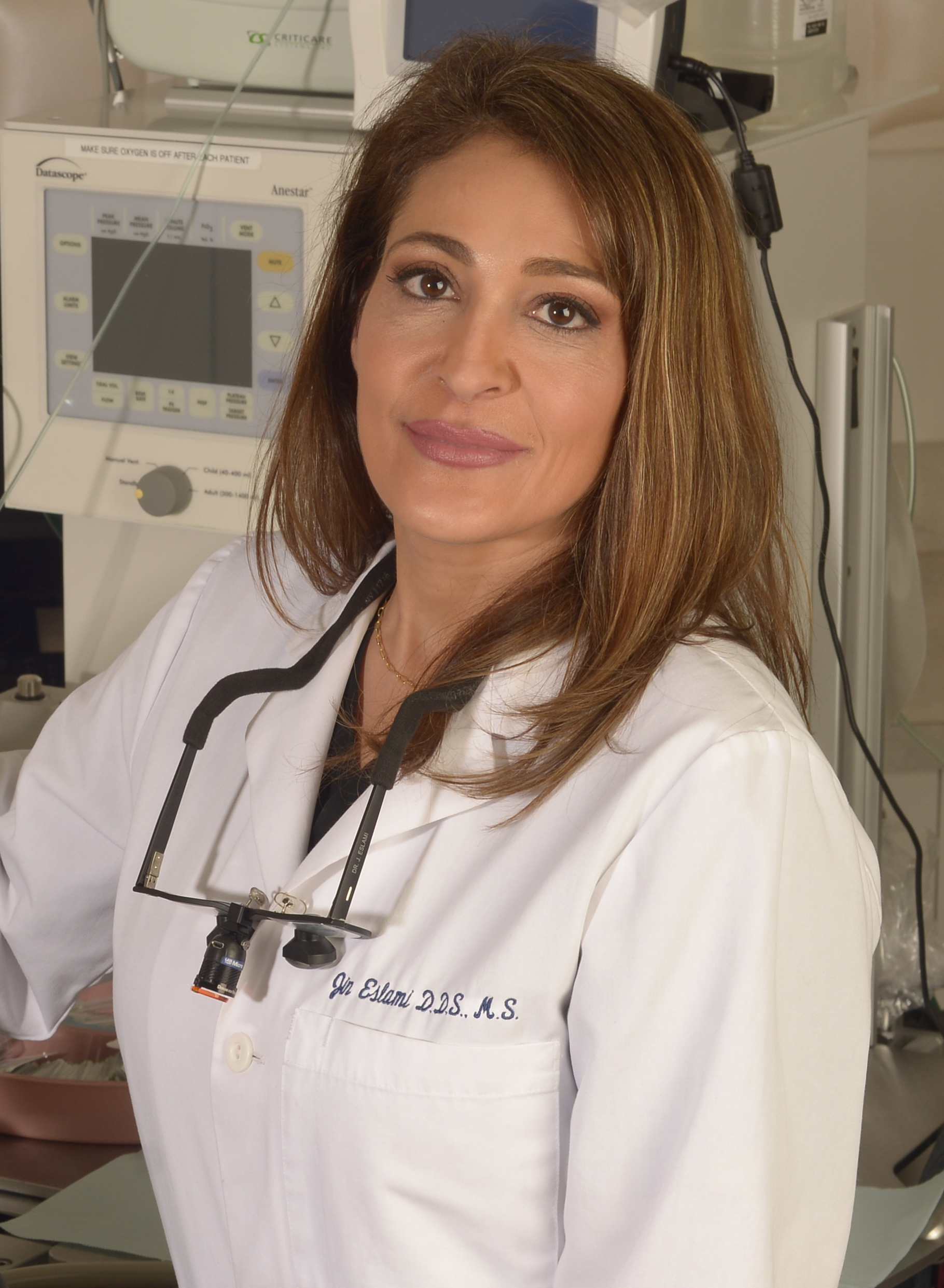 Dr. Jin Eslami, DDS, MS, is a board-certified periodontist with over 30 years of experience in periodontal disease treatment, dental implants, and advanced bone regeneration. Based in Rancho Santa Margarita, she specializes in complex cases involving severe gum disease and full-arch implant rehabilitation. Dr. Eslami is a strong advocate for the connection between oral health and systemic conditions, including cardiovascular disease and cancer.
To learn more or schedule a consultation, contact Dr. Eslami’s office for expert periodontal and implant care.
Orange County Oral Surgery & Periodontics
Phone : 949-888-0332
Website: https://www.ocosperio.com/
Comments are closed.