
AI in Periodontology: How Technology Is Transforming Gum Health Care
 AI in Periodontology: How Technology Is Transforming Gum Health Care
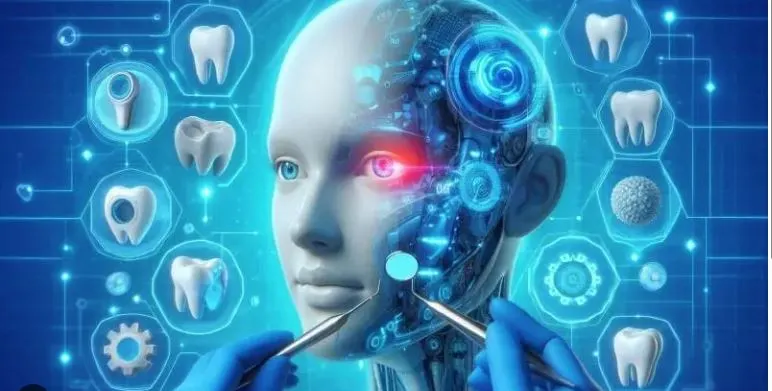
Artificial intelligence (AI) is rapidly reshaping healthcare—and dentistry is no exception. In periodontology, where early detection and precise treatment planning are critical, AI is emerging as a powerful tool that enhances clinical decision-making, improves patient outcomes, and streamlines workflows. The intersection of AI and periodontal care is not futuristic—it’s already here, and it’s changing how we diagnose, monitor, and treat gum disease.
The Challenge of Periodontal Disease
Periodontal disease is a chronic inflammatory condition that often progresses silently. Many patients remain unaware until significant damage has occurred—bone loss, gum recession, and even tooth mobility. Traditional diagnostic methods rely heavily on clinical measurements, radiographic interpretation, and practitioner experience. While effective, these approaches can be time-consuming and subject to variability.
This is where AI can make a meaningful difference.
AI-Powered Diagnostics: Seeing What the Eye Might Miss
AI algorithms can analyze dental radiographs and clinical data with remarkable accuracy. By identifying subtle patterns of bone loss, calculus deposits, or changes in periodontal ligament space, AI systems can assist clinicians in detecting disease earlier than ever before.
This doesn’t replace the clinician—it enhances their ability to diagnose with confidence. Think of AI as a second set of highly trained eyes that never fatigue and continuously learn from vast datasets.
Personalized Treatment Planning
Every periodontal patient is different. Factors like genetics, systemic health, lifestyle, and oral hygiene habits all influence disease progression. AI can integrate these variables to help create highly personalized treatment plans.
For example, AI can:
- Predict disease progression based on patient-specific risk factors
- Recommend tailored maintenance intervals
- Identify which patients are more likely to respond to non-surgical therapy vs. surgical intervention
This level of precision moves periodontal care closer to true personalized medicine.
Improving Patient Communication and Case Acceptance
One of the biggest challenges in periodontology is helping patients understand the severity of their condition. AI-driven visual tools can transform complex data into easy-to-understand graphics, showing patients exactly where bone loss is occurring and how it may progress.
When patients can see the problem, they’re more likely to accept treatment. AI helps bridge the gap between clinical knowledge and patient understanding.
Monitoring and Preventive Care
AI isn’t limited to the dental office. With the rise of smart toothbrushes, wearable devices, and mobile health apps, AI can track oral hygiene habits and provide real-time feedback to patients.
Imagine a system that:
- Alerts patients when they’re missing areas during brushing
- Tracks inflammation trends over time
- Notifies both patient and provider when intervention may be needed
This shifts periodontal care from reactive to proactive—focusing on prevention rather than repair.
Enhancing Efficiency in the Practice
AI can also streamline administrative and clinical workflows:
- Automated charting and periodontal measurements
- Faster radiographic interpretation
- Improved scheduling based on patient risk profiles
This allows clinicians to spend more time focusing on patient care rather than documentation.
Limitations and Considerations
While AI offers significant advantages, it’s not without limitations. Data quality, algorithm bias, and integration into existing systems are ongoing challenges. Most importantly, AI should never replace clinical judgment—it should support it.
Ethical considerations, patient privacy, and regulatory oversight will continue to shape how AI is implemented in dentistry.
The Future of Periodontology with AI
The future of periodontal care will likely involve a seamless blend of human expertise and artificial intelligence. As technology evolves, we can expect:
- Even earlier detection of disease
- More precise and minimally invasive treatments
- Stronger connections between oral health and systemic health monitoring
For periodontists, embracing AI is not about replacing skill—it’s about amplifying it.
Final Thoughts
AI is transforming periodontology into a more predictive, personalized, and preventive specialty. By leveraging advanced technology, clinicians can diagnose earlier, treat more effectively, and engage patients in ways that were previously not possible.
For patients, this means healthier gums, better long-term outcomes, and a clearer understanding of their oral health. For clinicians, it represents an opportunity to elevate the standard of care.
The future of gum health isn’t just in our hands—it’s in the intelligent systems that help guide them.
 About the Author
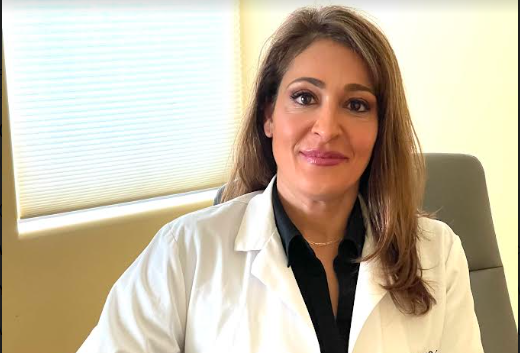
Dr. Jin Eslami, DDS, MS, is a board-certified periodontist with over 30 years of experience in periodontal disease treatment, dental implants, and advanced bone regeneration. Based in Rancho Santa Margarita, she specializes in complex cases involving severe gum disease and full-arch implant rehabilitation. Dr. Eslami is a strong advocate for the connection between oral health and systemic conditions, including cardiovascular disease and cancer.
To learn more or schedule a consultation, contact Dr. Eslami’s office for expert periodontal and implant care.
Orange County Oral Surgery & Periodontics
Phone: 949-888-0332
Website: https://www.ocosperio.com/
Comments are closed.