

GLP-1 Medications and Your Mouth: The Hidden Oral Health Risks of Weight Loss
 GLP-1 Medications and Your Mouth: The Hidden Oral Health Risks of Weight Loss
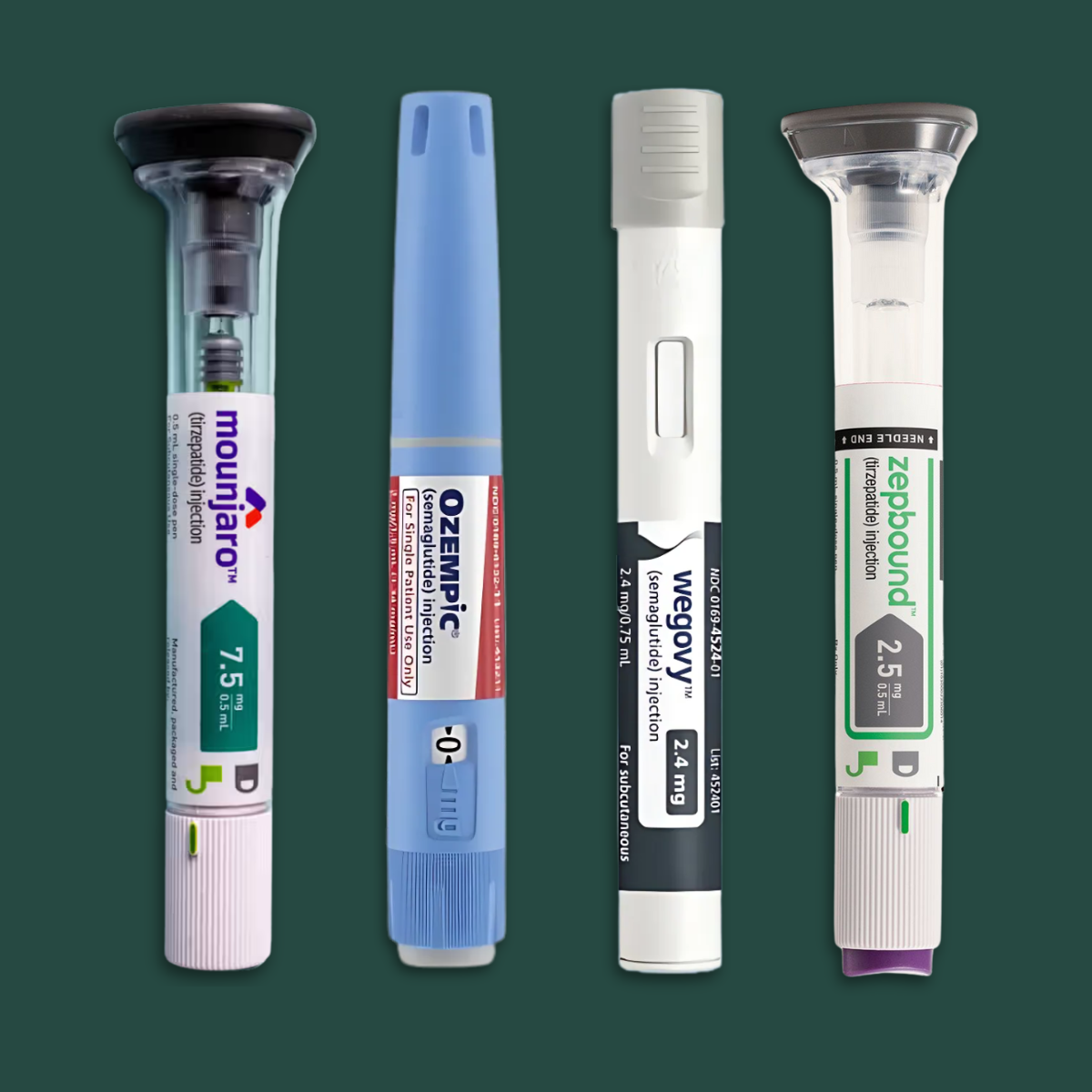
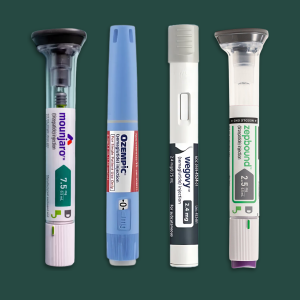
GLP-1 medications have transformed the treatment of obesity and type 2 diabetes. For many patients, these medications can provide significant health benefits. But as their use continues to grow, dentists and periodontists are paying closer attention to something that may not receive enough attention: what happens inside the mouth during weight loss.
Medications such as semaglutide and tirzepatide can affect appetite, hydration, digestion, and eating patterns. These changes may create new challenges for oral health—even when the medication itself is not directly damaging the teeth or gums.
Why Your Mouth May Notice the Difference
One of the biggest concerns is dry mouth.
The American Dental Association notes that GLP-1 receptor agonists can contribute to oral dryness. Saliva is extremely important because it helps wash away food particles, neutralize acids, protect tooth surfaces, and maintain a healthy oral environment. Reduced saliva can increase the risk of cavities, sensitivity, plaque accumulation, and oral infections.
Some people taking GLP-1 medications may also experience reduced thirst or dehydration. The combination can leave the mouth feeling dry and uncomfortable and may contribute to bad breath.
Nausea, Reflux and Vomiting Can Affect Your Teeth
Another consideration is the gastrointestinal side effects that can accompany GLP-1 therapy.
Nausea, vomiting, and reflux may expose the teeth to stomach acid. Repeated acid exposure can contribute to enamel erosion and increased sensitivity. The ADA has highlighted these gastrointestinal effects as an important oral-health consideration for patients taking GLP-1 medications.
This does not mean that everyone taking a GLP-1 medication will develop dental problems. Rather, it means that patients and dental professionals should recognize the potential risk factors and monitor oral health proactively.
Could GLP-1 Medications Affect Your Gums?
This is an area of growing research.
Scientists are investigating possible relationships between GLP-1 pathways, inflammation, immune responses, metabolism, and periodontal disease. Early research suggests there may be biological connections between GLP-1 signaling and the inflammatory processes involved in gum disease, but more clinical research is needed before we can make definitive conclusions.
For patients who already have periodontal disease, this is particularly important.
Weight loss should not come at the expense of oral health.
Rapid Weight Loss Is Also a Periodontal Consideration
Weight loss can change more than body weight.
Patients undergoing substantial or rapid weight loss may experience changes in nutrition and bone metabolism. Dental professionals are encouraged to pay attention to hydration, nutrition, bone health, and periodontal and implant health in patients using these medications.
This is particularly important for patients with existing bone loss, periodontal disease, or dental implants.
Don’t Forget Your Daily Plaque Control
When the mouth becomes drier, maintaining excellent plaque control becomes even more important.
Plaque is the primary trigger for gingivitis and contributes to the progression of periodontal disease in susceptible individuals. If dry mouth, changes in diet, or dehydration make plaque control more difficult, patients may need to become even more consistent with their oral hygiene.
This is where a comprehensive home-care routine becomes important.
DEREK SONIC: An Extra Tool for Daily Oral Care
DEREK SONIC was developed by a board-certified periodontist to help patients improve their daily plaque-control routine at home.
Its sonic/ultrasonic technology uses a gentle tip and water irrigation to help disrupt and remove plaque. For patients concerned about maintaining periodontal health during significant lifestyle or medication changes, it can be incorporated into a broader daily oral-care routine.
It is not a replacement for professional periodontal treatment or regular dental examinations. Instead, it is another tool to help patients maintain their oral health between professional visits.
If You’re Taking a GLP-1 Medication, Tell Your Dentist
Your dentist or periodontist should know about all prescription medications you take.
This information can help your dental team understand changes in your oral health and identify problems such as:
- Persistent dry mouth
- Increased plaque accumulation
- New tooth sensitivity
- Bad breath
- Gum inflammation or bleeding
- Increased cavities
- Enamel erosion
- Changes around dental implants
The American Dental Association specifically recommends that dental professionals ask patients about their medications and understand the systemic and oral effects associated with weight-loss drugs.
The Bottom Line
GLP-1 medications can provide important medical benefits, but your oral health deserves attention during treatment.
Dry mouth, dehydration, gastrointestinal symptoms, dietary changes, and nutritional issues can all influence the oral environment. At the same time, researchers are continuing to investigate the relationship between GLP-1 biology, inflammation, and periodontal disease.
If you’re using a GLP-1 medication, don’t focus only on the number on the scale.
Pay attention to your gums, your teeth, your saliva, and your overall oral health.
A healthier body and a healthier mouth should go hand in hand.
 About the Author
Dr. Jin Eslami, DDS, MS, is a board-certified periodontist with over 30 years of experience in periodontal disease treatment, dental implants, and advanced bone regeneration. Based in Rancho Santa Margarita, she specializes in complex cases involving severe gum disease and full-arch implant rehabilitation. Dr. Eslami is a strong advocate for the connection between oral health and systemic conditions, including cardiovascular disease and cancer.
To learn more or schedule a consultation, contact Dr. Eslami’s office for expert periodontal and implant care.
Orange County Oral Surgery & Periodontics
Phone: 949-888-0332
Website: https://www.ocosperio.com/
Comments are closed.