

What Gum Disease Can Tell Us About Body Inflammation
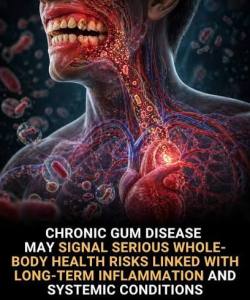 What Gum Disease Can Tell Us About Body Inflammation
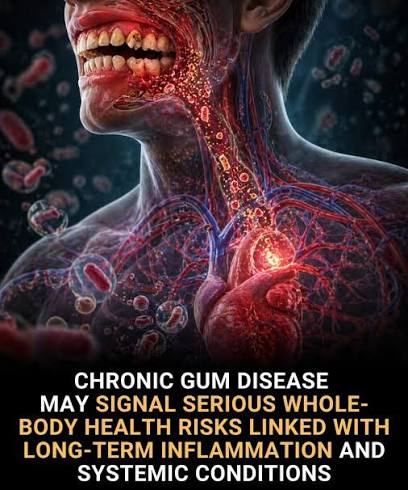
Your mouth may be telling you more about your overall health than you realize.
Gum disease is often thought of as a problem that affects only the teeth and gums. But periodontitis is an inflammatory disease, and the inflammation occurring in the mouth can be part of a much larger story about how the body responds to chronic bacterial challenges.
Understanding the connection between gum disease and inflammation throughout the body is changing the way we think about periodontal health.
Gum Disease Is an Inflammatory Disease
Gum disease begins when bacteria accumulate in dental plaque around the teeth. If plaque is not adequately controlled, the immune system responds to these bacteria.
Initially, this response can cause:
- Red or swollen gums
- Bleeding during brushing or flossing
- Tenderness
- Bad breath
- Changes in the gum tissue
When inflammation persists, however, the immune response can begin damaging the tissues that support the teeth. This can eventually result in periodontal pocket formation, attachment loss and destruction of the bone surrounding the teeth.
In other words, the bacteria start the problem, but the body’s inflammatory response plays a major role in the damage.
Why Does Inflammation Matter Beyond the Mouth?
Inflammation is a normal and necessary part of the immune system. It helps the body respond to injury and infection.
The problem occurs when inflammation becomes persistent.
Periodontitis can contribute to a chronic inflammatory burden, with inflammatory mediators entering the circulation. Researchers have been investigating how this systemic inflammatory environment may be associated with conditions affecting other parts of the body.
This does not mean that gum disease directly causes every disease associated with inflammation. The relationships are complex, and many conditions share common risk factors.
But the association is important enough that oral health should be considered part of the overall inflammatory picture.
Your Gums Can Be an Early Warning Sign
One of the most useful things about periodontal disease is that it can be relatively easy to overlook.
A patient may have significant periodontal inflammation without experiencing significant pain.
Bleeding gums, persistent swelling, gum recession, changes in the way teeth fit together, or increasing tooth mobility should not simply be dismissed as “normal.”
They can be signs that an inflammatory process is occurring around the teeth.
That is why regular periodontal examinations are so important.
The Mouth and the Rest of the Body Are Connected
Researchers have found associations between periodontitis and several systemic conditions, including cardiovascular disease, diabetes and other inflammatory conditions.
For example, people with diabetes are more likely to develop periodontal disease, while uncontrolled periodontal inflammation can make diabetes management more difficult. This is one example of the two-way relationship between oral and systemic health.
Similarly, periodontal disease has been associated with cardiovascular disease, although an association does not prove that periodontal disease independently causes cardiovascular disease.
The message is not that treating your gums will prevent every systemic illness.
The message is that ignoring chronic inflammation in the mouth is not a good strategy for overall health.
Controlling Inflammation Starts With Controlling Plaque
The first step in reducing periodontal inflammation is controlling the bacterial biofilm that triggers the inflammatory response.
That requires more than simply brushing your teeth twice a day.
Professional periodontal care can remove bacterial deposits that cannot be adequately removed with routine home brushing. Daily home care then helps maintain that result.
This is where consistent oral hygiene becomes particularly important.
Where DEREK SONIC Fits In
DEREK SONIC was developed by a board-certified periodontist to help patients improve their daily plaque-control routine at home.
Its sonic/ultrasonic technology and gentle tip are designed to help disrupt plaque while water irrigation helps flush the area being cleaned.
The goal is not to replace professional periodontal treatment. Instead, it is to provide patients with another tool for daily maintenance between professional visits.
Because periodontal health depends on controlling plaque consistently, effective home care can be an important part of a long-term periodontal maintenance program.
Don’t Wait Until Your Gums Hurt
One of the biggest misconceptions about gum disease is that something must hurt before it requires treatment.
Periodontitis can progress quietly.
You may feel perfectly healthy while inflammation is damaging the tissues supporting your teeth.
Watch for:
- Bleeding when brushing or flossing
- Persistent bad breath
- Red or swollen gums
- Gum recession
- Teeth becoming loose or shifting
- Increasing spaces between teeth
- Changes in your bite
These signs deserve professional evaluation.
Think of Your Mouth as Part of Your Health—Not Separate From It
The mouth is not an isolated part of the body.
It contains a complex community of microorganisms and is constantly interacting with the immune system. When periodontal inflammation becomes chronic, it can contribute to the body’s overall inflammatory burden and is associated with several important systemic conditions.
That makes periodontal care about much more than keeping your teeth looking good.
Healthy gums are part of a healthy body.
Professional periodontal treatment, regular dental examinations, excellent home care, and attention to overall health can work together to control inflammation and protect your teeth for the long term.
Your gums may be telling you something about your health. The question is whether you are listening.
 About the Author
Dr. Jin Eslami, DDS, MS, is a board-certified periodontist with over 30 years of experience in periodontal disease treatment, dental implants, and advanced bone regeneration. Based in Rancho Santa Margarita, she specializes in complex cases involving severe gum disease and full-arch implant rehabilitation. Dr. Eslami is a strong advocate for the connection between oral health and systemic conditions, including cardiovascular disease and cancer.
To learn more or schedule a consultation, contact Dr. Eslami’s office for expert periodontal and implant care.
Orange County Oral Surgery & Periodontics
Phone: 949-888-0332
Website: https://www.ocosperio.com
Comments are closed.