

The Link Between Gum Disease and Fatty Liver Disease: What Your Mouth May Be Telling You About Your Health
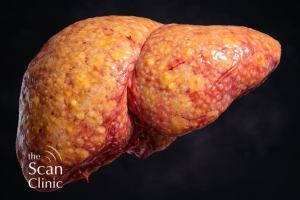 The Link Between Gum Disease and Fatty Liver Disease: What Your Mouth May Be Telling You About Your Health
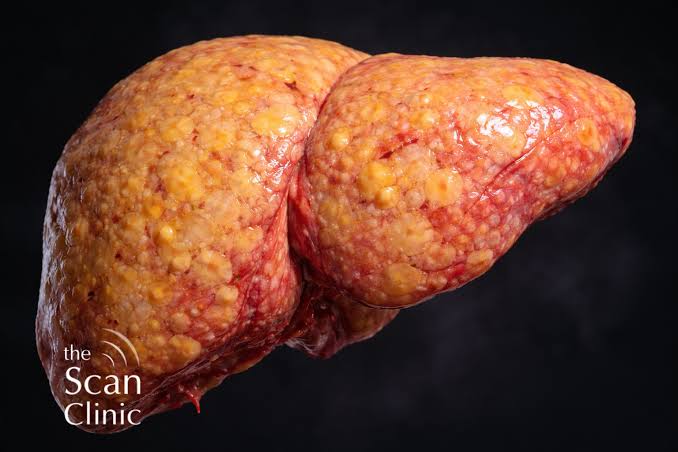
Your gums and your liver may be more connected than you think
Your mouth is often described as a window into your overall health—and emerging research suggests that the connection may extend all the way to the liver.
Periodontal disease (gum disease) is a chronic inflammatory condition caused by a complex interaction between oral bacteria, dental plaque, and the body’s immune response. Fatty liver disease, particularly metabolic dysfunction-associated steatotic liver disease (MASLD), involves excess fat accumulating in the liver and is closely associated with metabolic health.
Researchers have increasingly investigated whether there is a relationship between these two conditions.
The connection is complex, but one common factor stands out: chronic inflammation.
What Is Fatty Liver Disease?
Fatty liver disease occurs when excess fat accumulates in the liver.
The condition formerly known as nonalcoholic fatty liver disease (NAFLD) is now commonly referred to as metabolic dysfunction-associated steatotic liver disease (MASLD).
MASLD is often associated with metabolic conditions such as:
- Insulin resistance
- Type 2 diabetes
- Overweight or obesity
- Abnormal cholesterol or triglyceride levels
- High blood pressure
Some people have no obvious symptoms, and the condition may be discovered through blood tests or imaging.
For some patients, fatty liver disease can progress to inflammation, scarring, and more serious liver disease.
What Does This Have to Do With Your Gums?
Periodontal disease is not simply an infection sitting around your teeth.
When harmful bacterial communities accumulate below the gumline, the immune system responds with inflammation. If that inflammation persists, it can damage the gums, periodontal ligament, and bone supporting the teeth.
This creates an environment in which inflammatory signals and oral bacteria can potentially enter the circulation.
Researchers are studying whether these systemic effects may contribute to inflammation in other parts of the body, including the liver.
The Inflammation Connection
Think of chronic inflammation as a signal that can affect multiple systems.
Severe periodontal disease can increase inflammatory activity in the body. At the same time, metabolic dysfunction associated with fatty liver disease can promote systemic inflammation.
This raises an important question:
Could inflammation associated with periodontal disease contribute to metabolic and liver problems—or could metabolic dysfunction make periodontal disease more likely?
Current research suggests there may be a bidirectional relationship, but the exact mechanisms are still being investigated.
An association between the two conditions does not prove that gum disease directly causes fatty liver disease.
Your Oral Microbiome May Matter
Your mouth contains hundreds of bacterial species living together in complex communities known as the oral microbiome.
When the balance of this microbial community changes, disease-associated bacteria can become more prominent.
In advanced periodontal disease, bacteria and bacterial products can enter the bloodstream and potentially reach distant tissues. Researchers are investigating whether oral microorganisms may influence metabolic inflammation and liver health.
This is one reason scientists are increasingly interested in the connection between the oral microbiome, systemic inflammation, and metabolic disease.
Diabetes Adds Another Piece to the Puzzle
Diabetes, gum disease, and fatty liver disease can overlap.
Poorly controlled blood sugar can increase the risk and severity of periodontal disease. At the same time, periodontal inflammation may make metabolic control more difficult in some patients.
Insulin resistance is also strongly associated with MASLD.
This means a patient with gum disease and metabolic risk factors may benefit from looking at their health more broadly rather than treating oral and systemic health as completely separate issues.
Can Treating Gum Disease Help the Liver?
This is an area of active research.
Some studies have reported improvements in certain inflammatory or metabolic markers following periodontal treatment, while other research has produced less definitive results.
At this point, periodontal treatment should not be promoted as a treatment or cure for fatty liver disease.
However, treating active periodontal disease is important for oral health and may reduce a source of chronic inflammation.
Patients with fatty liver disease should continue appropriate medical evaluation and management with their physician.
What Can You Do?
You don’t need to wait for scientists to completely unravel the mouth-liver connection before taking action.
Protect your periodontal health by:
- Brushing twice daily with fluoride toothpaste
- Cleaning between your teeth every day
- Maintaining regular professional dental cleanings
- Having bleeding gums evaluated rather than ignoring them
- Seeking periodontal evaluation if you have gum recession, deep pockets, or loose teeth
- Managing diabetes and other metabolic conditions with your healthcare team
- Maintaining a healthy, balanced diet and regular physical activity
And if you’ve been diagnosed with fatty liver disease, tell your dentist or periodontist. Your oral health is an important part of your overall health history.
Don’t Ignore Bleeding Gums
Bleeding when you brush or floss is not something you should simply accept as normal.
Healthy gums generally should not bleed routinely.
Persistent bleeding, swelling, bad breath, gum recession, or loose teeth can be signs of periodontal disease and deserve professional evaluation.
The Mouth-Liver Connection Is an Emerging Story
The relationship between periodontal disease and fatty liver disease is an exciting area of research. Both conditions involve complex interactions between inflammation, metabolism, and microbial communities.
We still need more high-quality clinical research to determine exactly how these conditions influence one another and whether treating periodontal disease can meaningfully affect liver-related outcomes.
But one message is already clear:
Taking care of your gums is part of taking care of your overall health.
Your mouth isn’t isolated from the rest of your body. Maintaining healthy gums may be one more important piece of a larger strategy for protecting your health—from your teeth and bones to the systems that keep your entire body functioning.
 About the Author
Dr. Jin Eslami, DDS, MS, is a board-certified periodontist with over 30 years of experience in periodontal disease treatment, dental implants, and advanced bone regeneration. Based in Rancho Santa Margarita, she specializes in complex cases involving severe gum disease and full-arch implant rehabilitation. Dr. Eslami is a strong advocate for the connection between oral health and systemic conditions, including cardiovascular disease and cancer.
To learn more or schedule a consultation, contact Dr. Eslami’s office for expert periodontal and implant care.
Orange County Oral Surgery & Periodontics
Phone: 949-888-0332
Website: https://www.ocosperio.com/
Comments are closed.