
The Everyday Hygiene Habit Millions Do Without Thinking—Could It Be Doing More Harm Than Good?
The Everyday Hygiene Habit Millions Do Without Thinking—Could It Be Doing More Harm Than Good?
When a routine meant to keep you healthy becomes a habit worth reconsidering
We all have daily hygiene routines we rarely question. We brush our teeth, wash our hands, shower, use personal-care products, and try to keep ourselves clean and healthy.
But sometimes, more isn’t necessarily better.
One everyday hygiene habit that deserves a closer look is over-cleaning or aggressively cleaning the mouth. While good oral hygiene is essential, excessive pressure, harsh techniques, or overly aggressive cleaning can sometimes irritate the very tissues we are trying to protect.
When Clean Becomes Too Much
The goal of oral hygiene isn’t to eliminate every microorganism from your mouth.
Your mouth naturally contains hundreds of different microbial species. Many are harmless or beneficial and are part of a complex oral ecosystem.
The goal is to control harmful plaque and maintain a healthy environment for your teeth and gums—not to make your mouth completely sterile.
Are You Brushing Too Hard?
Brushing your teeth is one of the most important things you can do for your oral health—but brushing harder doesn’t mean brushing better.
Aggressive brushing can contribute to:
- Gum irritation
- Gum recession
- Tooth sensitivity
- Wear of exposed root surfaces
- Damage to already weakened areas of the teeth
A soft-bristled toothbrush and gentle technique are generally preferable to scrubbing aggressively.
Think thorough, not forceful.
Cleaning Below the Gumline Matters Too
Brushing primarily cleans the accessible surfaces of your teeth. However, plaque and bacteria can accumulate between teeth and around the gumline—areas that can be difficult to reach.
For people concerned about gum health, adding an effective interdental and gumline-cleaning routine can be an important part of daily home care.
This is where newer approaches to home oral hygiene are gaining attention.
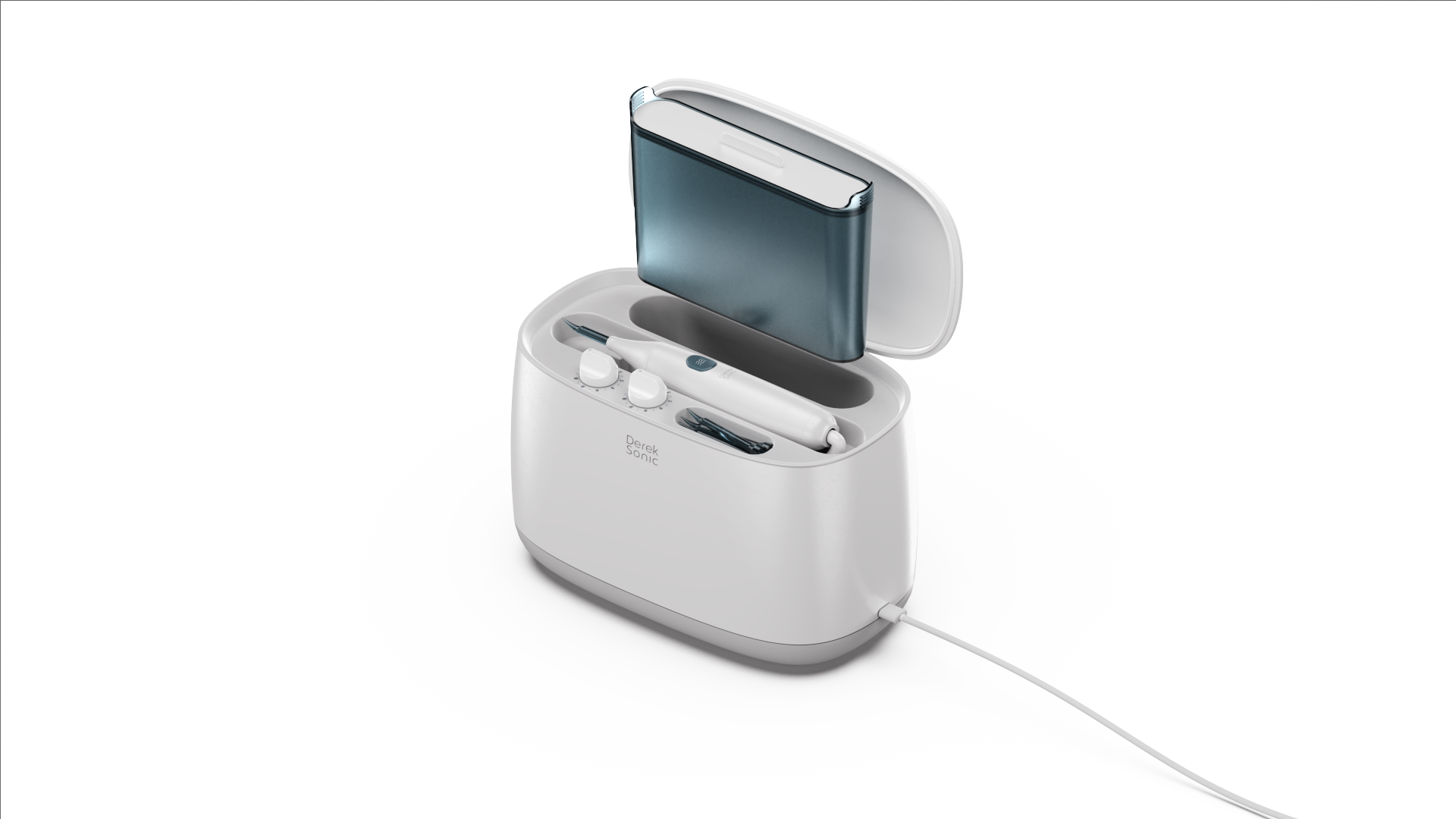
Derek Sonic combines sonic vibration with water irrigation to help loosen and rinse away plaque and debris around the teeth and gumline. Its soft polymer tip is designed to provide a gentler alternative to using hard instruments against tooth and implant surfaces.
The goal isn’t to aggressively scrape the teeth. Instead, the concept is to use controlled sonic energy and water flow to support daily plaque removal while being gentle on the surrounding tissues.
Derek Sonic is intended as a home-care tool and does not replace professional periodontal treatment when active gum disease is present.
What About Overusing Mouthwash?
Mouthwash can be useful in certain situations, but it isn’t necessarily something everyone needs multiple times a day.
Different mouth rinses serve different purposes. Some contain fluoride, some are designed to reduce plaque or gingivitis, and others are primarily intended to freshen breath.
Using a product appropriately is important. If you’re relying on mouthwash to cover persistent bad breath, bleeding gums, or other symptoms, the underlying problem may need professional evaluation.
Fresh breath isn’t necessarily the same thing as healthy gums.
Your Oral Microbiome Matters
Your mouth is home to a complex community of microorganisms known as the oral microbiome.
These microorganisms interact with your teeth, gums, saliva, immune system, and the rest of your body.
A healthy mouth isn’t a sterile mouth.
Instead, good oral hygiene is about controlling harmful plaque and maintaining an environment that supports healthy teeth and gums.
This is one reason modern dentistry increasingly focuses on controlling plaque and inflammation rather than simply trying to eliminate every bacterium.
Don’t Confuse Hygiene With Health
One of the biggest misconceptions about hygiene is that the cleaner something feels, the healthier it must be.
That’s not always true.
Scrubbing your teeth until they feel extremely smooth doesn’t necessarily mean your gums are healthier. Using excessive force doesn’t necessarily remove plaque more effectively.
Effective hygiene should remove harmful buildup without unnecessarily damaging healthy tissues.
A Smarter Approach to Daily Oral Care
A healthy daily routine can include:
Brush twice a day. Use a soft-bristled toothbrush and fluoride toothpaste, unless your dental professional recommends otherwise.
Clean between your teeth. Floss or use another effective interdental cleaning method every day.
Clean the gumline gently. Focus on removing plaque without aggressive pressure.
Consider supplemental home-care technology. For people who have difficulty maintaining plaque control around the gumline, a device such as Derek Sonic may be incorporated into a comprehensive home-care routine.
Don’t ignore bleeding. Persistent bleeding gums can be a sign of gingivitis or periodontal disease and deserve professional evaluation.
Don’t use mouthwash simply to mask symptoms. Persistent bad breath or bleeding may indicate an underlying problem.
Maintain regular professional care. Home care and professional periodontal treatment work together.
The Bottom Line
Good hygiene is essential—but more cleaning isn’t automatically better cleaning.
Your mouth has natural protective systems and a complex microbial environment. The goal should be to control harmful plaque, protect your gums, and maintain healthy tissues—not to make your mouth completely sterile.
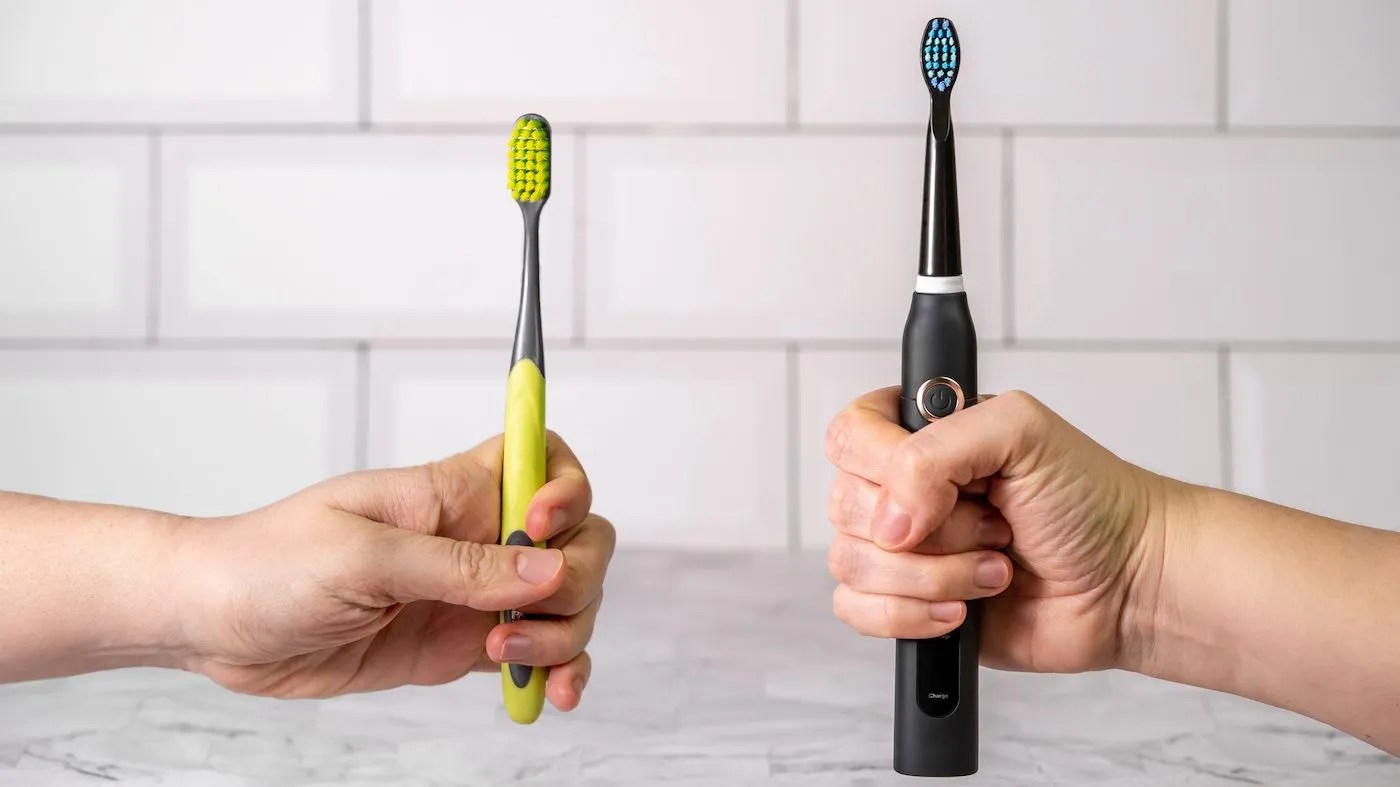
Whether you use a traditional toothbrush, an electric toothbrush, water-based technology, or Derek Sonic, the most important principle is the same:
Clean effectively. Be gentle. Be consistent.
And if your gums bleed regularly, your teeth are becoming sensitive, your gums are receding, or you have persistent bad breath, don’t simply clean harder.
Find out why.
A professional dental or periodontal evaluation can determine whether there is an underlying problem that requires treatment.
 About the Author
Dr. Jin Eslami, DDS, MS, is a board-certified periodontist with over 30 years of experience in periodontal disease treatment, dental implants, and advanced bone regeneration. Based in Rancho Santa Margarita, she specializes in complex cases involving severe gum disease and full-arch implant rehabilitation. Dr. Eslami is a strong advocate for the connection between oral health and systemic conditions, including cardiovascular disease and cancer.
To learn more or schedule a consultation, contact Dr. Eslami’s office for expert periodontal and implant care.
Orange County Oral Surgery & Periodontics
Phone: 949-888-0332
Website: https://www.ocosperio.com/
Comments are closed.