

Could Viruses Be the Next Weapon Against Gum Disease?
A naturally occurring type of virus may offer a new way to target the bacteria involved in severe periodontal disease
When 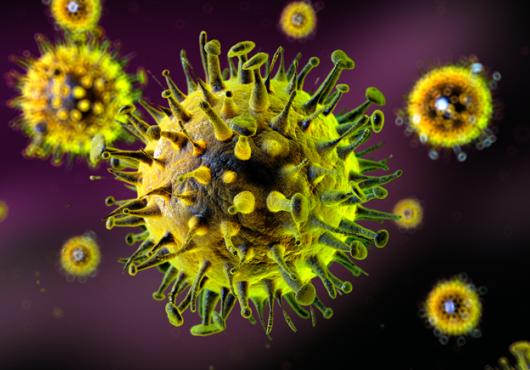 most people hear the word virus, they think about illness. But not all viruses infect humans. Some naturally occurring viruses, called bacteriophages—or “phages”—infect bacteria instead.
Scientists are increasingly studying whether these microscopic bacteria-targeting viruses could eventually play a role in treating difficult bacterial infections, including the complex bacterial communities associated with periodontal disease.
The idea is fascinating: instead of using an antibiotic that can affect many types of bacteria, researchers are investigating whether carefully selected phages could target specific harmful bacteria while leaving other microorganisms relatively untouched.
What Are Bacteriophages?
Bacteriophages are viruses that infect bacteria.
They are found throughout nature—in soil, water, food, and even in the human body. A phage recognizes particular bacterial characteristics, attaches to a susceptible bacterium, and can ultimately destroy that bacterial cell.
Because phages can be highly specific to particular bacteria, researchers are investigating them as a potential tool for treating bacterial infections that are difficult to control with conventional antibiotics.
Why Is This Interesting for Gum Disease?
Periodontal disease isn’t caused by just one type of bacteria.
Instead, it involves a complicated community of microorganisms living within dental plaque and the biofilm that develops around teeth and below the gumline. As the disease progresses, changes in this microbial community can contribute to inflammation and destruction of the tissues supporting the teeth.
This makes periodontal disease particularly challenging.
Simply killing one bacterial species may not be enough to restore a healthy environment.
Researchers are therefore interested in approaches that could potentially alter specific harmful bacterial populations without broadly disrupting the entire microbial community.
Could Phages Break Up Harmful Bacterial Communities?
This is where phage research becomes particularly intriguing.
Some bacteriophages can infect and kill bacteria that are part of bacterial communities and biofilms. Researchers are investigating whether phages could be selected or engineered to target bacteria associated with periodontal disease.
The goal would not simply be to “kill everything.”
Instead, the concept is to target specific disease-associated bacteria and potentially shift the microbial environment toward a healthier balance.
That is very different from the traditional approach of using broad-spectrum antibiotics.
Phages vs. Antibiotics
Antibiotics have transformed medicine and remain an important tool when bacterial infections require them. However, antibiotic use can affect susceptible bacteria beyond the specific organism causing the infection and can contribute to antibiotic resistance.
Phage therapy is being investigated partly because of its potential specificity.
A properly selected phage may target a particular bacterial species or group of bacteria while having little or no direct effect on human cells.
But there is an important limitation: phage therapy for periodontal disease is still an area of research.
It should not currently be viewed as a replacement for established periodontal treatment.
Gum Disease Is More Than a Bacterial Problem
One of the most important things to understand about periodontal disease is that bacteria are only part of the story.
Your immune system’s inflammatory response also plays a major role in the destruction of periodontal tissues.
That’s why successful periodontal treatment generally involves more than simply attempting to eliminate bacteria. Controlling dental plaque, disrupting harmful biofilms, managing inflammation, maintaining healthy gums, and addressing individual risk factors are all important.
Professional periodontal treatment may include deep cleaning, antimicrobial approaches, periodontal surgery when indicated, and ongoing maintenance.
Could the Future of Periodontal Treatment Become More Precise?
Possibly.
The emerging interest in phages is part of a larger movement toward precision approaches to the oral microbiome.
Rather than trying to eliminate large numbers of microorganisms indiscriminately, researchers are exploring ways to identify specific disease-associated organisms and target them more selectively.
Future treatments could potentially combine conventional periodontal therapy with highly targeted antimicrobial strategies.
But several questions still need to be answered:
- Which phages are most effective against periodontal pathogens?
- Can they penetrate complex dental biofilms?
- How long do they remain active in the periodontal environment?
- Can bacteria develop resistance to phages?
- Would combinations of different phages work better?
- How should phage-based treatments be delivered below the gumline?
- Can they provide meaningful improvements in periodontal health in well-controlled clinical trials?
These are important scientific questions that researchers are continuing to investigate.
What Should Patients Do Today?
While exciting new treatments are being studied, the fundamentals of periodontal health remain extremely important.
If you have bleeding gums, persistent bad breath, gum recession, loose teeth, or a history of periodontal disease, don’t wait for a future treatment.
A periodontal evaluation can determine whether active disease is present and how advanced it may be.
Daily plaque control, professional periodontal maintenance, and early treatment remain among the most important strategies for protecting the tissues supporting your teeth.
The Bottom Line
Could a naturally occurring virus eventually help fight gum disease?
Scientists are investigating that possibility.
Bacteriophages represent an intriguing potential approach because they can specifically target bacteria. However, phage-based periodontal therapy remains an emerging research area and is not a substitute for established periodontal treatment today.
The bigger lesson may be that the future of periodontal medicine isn’t necessarily about killing every microorganism in your mouth.
It may be about understanding the oral microbiome—and learning how to target the harmful members while preserving the beneficial ones.
The microscopic world inside your mouth could hold some very interesting answers for the future of gum disease treatment.
 About the Author
Dr. Jin Eslami, DDS, MS, is a board-certified periodontist with over 30 years of experience in periodontal disease treatment, dental implants, and advanced bone regeneration. Based in Rancho Santa Margarita, she specializes in complex cases involving severe gum disease and full-arch implant rehabilitation. Dr. Eslami is a strong advocate for the connection between oral health and systemic conditions, including cardiovascular disease and cancer.
To learn more or schedule a consultation, contact Dr. Eslami’s office for expert periodontal and implant care.
Orange County Oral Surgery & Periodontics
Phone: 949-888-0332
Website: https://www.ocosperio.com/
Comments are closed.