

Brain Health, Environment, and the Overlooked Role of Periodontal Disease
 Brain Health, Environment, and the Overlooked Role of Periodontal Disease
By Dr. Jin Eslami, DDS, MS — Board-Certified Periodontist
A major new report from the American Heart Association underscores what many healthcare professionals are beginning to recognize: brain health is not determined by genetics alone. It is profoundly shaped by environmental and lifestyle factors—especially sleep quality, air pollution exposure, and mental health.
But there’s a critical piece missing from this conversation.
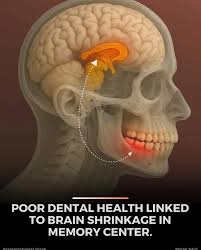
Oral health—specifically periodontal disease—may be one of the most underrecognized contributors to brain health across the lifespan.
The Mouth–Brain Connection: More Than a Theory
Periodontal disease is a chronic inflammatory condition driven by pathogenic bacteria beneath the gumline. Left untreated, it leads to progressive bone loss and systemic inflammation.
This matters because the brain is highly sensitive to inflammation.
Emerging research in neuroinflammation suggests that chronic peripheral inflammation—like that seen in periodontal disease—can contribute to cognitive decline, impaired memory, and increased risk of neurodegenerative disorders. Oral pathogens and their inflammatory byproducts have even been detected in brain tissue, raising serious concerns about long-term exposure.
Sleep, Inflammation, and Periodontal Disease
The AHA report highlights sleep as a cornerstone of brain health. Poor sleep disrupts the body’s ability to regulate inflammation and repair tissue.
Now consider this:
- Patients with periodontal disease often exhibit elevated systemic inflammatory markers
- Chronic inflammation can impair sleep quality
- Sleep disorders (like sleep apnea) are linked to both periodontal breakdown and cognitive impairment
This creates a bidirectional cycle:
Poor sleep worsens periodontal disease → periodontal inflammation worsens systemic health → systemic inflammation further disrupts brain function and sleep.
Air Pollution and the Oral-Systemic Link
Air pollution is another major environmental factor cited in the report. Fine particulate matter (PM2.5) has been associated with increased risk of stroke, dementia, and cognitive decline.
What’s often overlooked is how inhaled toxins also affect the oral cavity:
- Pollutants can alter the oral microbiome
- Increased oxidative stress may accelerate periodontal breakdown
- Compromised immune response allows pathogenic bacteria to flourish
In essence, environmental toxins don’t just reach the brain—they enter through and impact the mouth first.
Mental Health, Stress, and Gum Disease
Mental health is deeply intertwined with both brain function and oral health.
Chronic stress and conditions like anxiety and depression can:
- Suppress immune function
- Increase inflammatory burden
- Lead to neglect of oral hygiene
- Exacerbate periodontal disease progression
At the same time, living with advanced periodontal disease—bleeding gums, tooth mobility, halitosis—can negatively affect self-esteem and social confidence, further impacting mental well-being.
Why Periodontal Health Belongs in the Brain Health Conversation
The AHA report calls for a broader, more integrated approach to brain health—one that includes environmental, behavioral, and medical factors.
Periodontal disease sits at the intersection of all three:
- It is influenced by lifestyle (oral hygiene, smoking, stress)
- It is worsened by environmental exposures (pollution, systemic disease)
- It contributes to chronic inflammation, a known driver of cognitive decline
Yet it is rarely included in brain health strategies.
A Preventive Opportunity Hiding in Plain Sight
Unlike many neurological conditions, periodontal disease is:
- Detectable early
- Treatable
- Often preventable
Routine periodontal evaluations, early intervention, and maintenance therapy may not only preserve teeth—but potentially reduce systemic inflammatory burden and support long-term brain health.
Final Thought
If we are serious about protecting brain health across the lifespan, we must expand our lens.
The mouth is not separate from the body—it is an integral part of it.
Ignoring periodontal disease in the context of brain health is no longer an oversight—it’s a missed opportunity.
About the Author
 Dr. Jin Eslami, DDS, MS, is a board-certified periodontist with over 30 years of experience in periodontal disease treatment, dental implants, and advanced bone regeneration. Based in Rancho Santa Margarita, she specializes in complex cases involving severe gum disease and full-arch implant rehabilitation. Dr. Eslami is a strong advocate for the connection between oral health and systemic conditions, including cardiovascular disease and cancer.
To learn more or schedule a consultation, contact Dr. Eslami’s office for expert periodontal and implant care.
Orange County Oral Surgery & Periodontics
Phone: 949-888-0332
Website: https://www.ocosperio.com/
Comments are closed.