
Advanced Longevity & “SuperAgers”: The Overlooked Role of Periodontal Health
 Advanced Longevity & “SuperAgers”: The Overlooked Role of Periodontal Health
When people talk about longevity, the conversation usually centers on genetics, diet, exercise, and increasingly, cutting-edge therapies. But there’s a critical piece that rarely gets the attention it deserves: the health of your gums.
“SuperAgers”—individuals who maintain exceptional physical and cognitive function well into their later decades—don’t just benefit from good luck or good genes. They tend to have lower levels of systemic inflammation, preserved function, and fewer chronic conditions. Periodontal health sits quietly at the center of all three.
The Inflammation Connection: Where Aging Begins
Aging, at its core, is driven in part by chronic, low-grade inflammation. This process—often referred to as Chronic Inflammation—is now recognized as a major contributor to cardiovascular disease, cognitive decline, and metabolic disorders.
Periodontal disease is not just a localized infection of the gums; it is a chronic inflammatory condition. The bacteria associated with periodontal disease trigger an immune response that can extend beyond the oral cavity, contributing to systemic inflammatory burden.
SuperAgers tend to avoid this constant inflammatory “background noise.” Managing periodontal disease is one of the most direct—and often overlooked—ways to reduce that burden.
Oral Health and Brain Longevity
One of the most compelling areas of research in longevity is the connection between oral health and brain function. Studies have shown associations between periodontal pathogens and neuroinflammation, a key factor in cognitive decline.
Conditions like Alzheimer’s disease have been linked to inflammatory processes that may, in part, originate in the mouth. While periodontal disease is not the sole cause, it may act as a contributing factor in accelerating neurological aging.
SuperAgers are defined not just by how long they live, but by how well their brains function. Maintaining periodontal health may be one of the simplest ways to support long-term cognitive resilience.
Functional Longevity: The Ability to Eat, Speak, and Thrive
Longevity is not just about adding years to life—it’s about preserving independence and quality of life. One of the most underappreciated aspects of aging well is the ability to chew effectively.
Advanced periodontal disease is a leading cause of tooth loss. This, in turn, limits dietary choices, often pushing individuals toward softer, more processed foods that lack nutritional density. Over time, this can contribute to muscle loss, metabolic decline, and overall frailty.
SuperAgers maintain function. They eat well, they nourish their bodies properly, and they retain the ability to do so because they’ve preserved their oral health.
The Cardiovascular Link
The relationship between periodontal disease and systemic health extends to the cardiovascular system. Research has demonstrated associations between periodontal disease and conditions such as Cardiovascular disease.
The underlying mechanism again points back to inflammation and bacterial pathways that may influence vascular health. While periodontal disease does not directly cause heart disease, it is increasingly recognized as a contributing risk modifier.
For individuals focused on longevity, reducing modifiable risk factors is essential—and periodontal treatment plays a meaningful role in that strategy.
Why Treatment Matters
The good news is that periodontal disease is both preventable and treatable. Early intervention can significantly reduce inflammation, preserve bone and tooth structure, and improve overall health outcomes.
Treatment is not just about saving teeth—it’s about reducing systemic burden:
Lowering inflammatory markers
Improving metabolic and cardiovascular profiles
Supporting long-term cognitive and physical health
For those striving to become SuperAgers, periodontal care should not be optional—it should be foundational.
A Clinical Perspective
As a board-certified periodontist, I’ve seen firsthand how untreated periodontal disease quietly impacts a patient’s overall health trajectory. Many patients focus on visible signs of aging while overlooking the silent inflammation occurring in their gums.
Addressing periodontal disease is not simply a dental decision—it is a longevity decision.
The Takeaway
If the goal is not just to live longer, but to live better, periodontal health must be part of the conversation.
SuperAgers are not defined by one habit, but by a collection of small, consistent decisions that reduce inflammation, preserve function, and support whole-body health. Healthy gums may not be the most talked-about factor in longevity—but they are one of the most impactful.
About the Author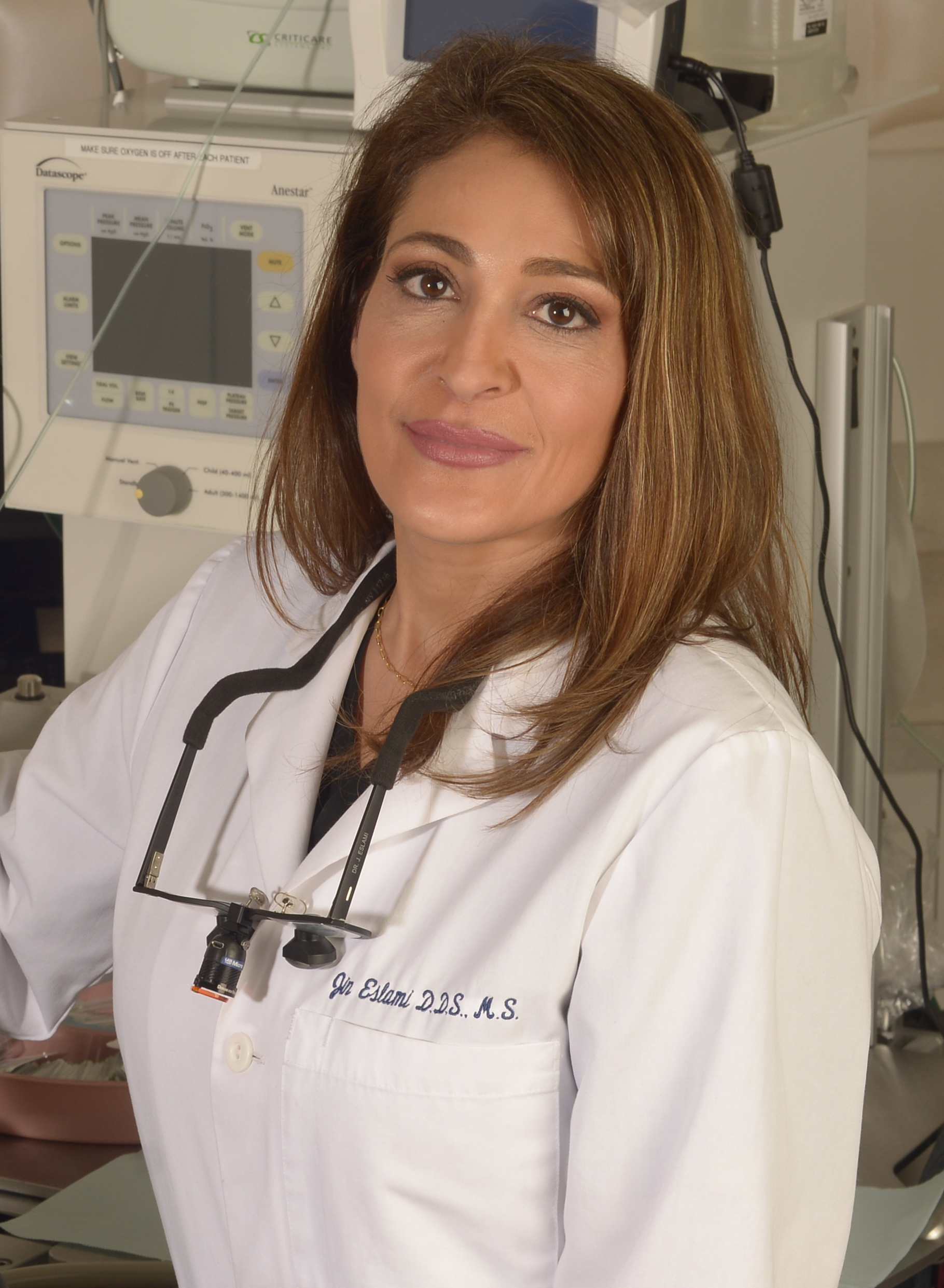 Dr. Jin Eslami, DDS, MS, is a board-certified periodontist with over 30 years of experience in periodontal disease treatment, dental implants, and advanced bone regeneration. Based in Rancho Santa Margarita, she specializes in complex cases involving severe gum disease and full-arch implant rehabilitation. Dr. Eslami is a strong advocate for the connection between oral health and systemic conditions, including cardiovascular disease and cancer.
To learn more or schedule a consultation, contact Dr. Eslami’s office for expert periodontal and implant care.
Orange County Oral Surgery & Periodontics
Phone: 949-888-0332
Website: https://www.ocosperio.com/
Comments are closed.