
ow advanced platelet rich fibrin (APRF) rebuilds gum and bone around a failing tooth, and what to ask your dentist before you say yes to an extraction
 Before You Extract a Failing Tooth: How Advanced PRF May Help Rebuild Gum and Bone
A failing tooth does not always mean a hopeless tooth. Before saying yes to extraction, ask whether regenerative periodontal treatment could give your natural tooth another chance.
When a tooth develops significant bone loss, gum recession, deep periodontal pockets, or an infection around the root, extraction is sometimes recommended. In certain situations, however, removing the tooth may not be the only option.
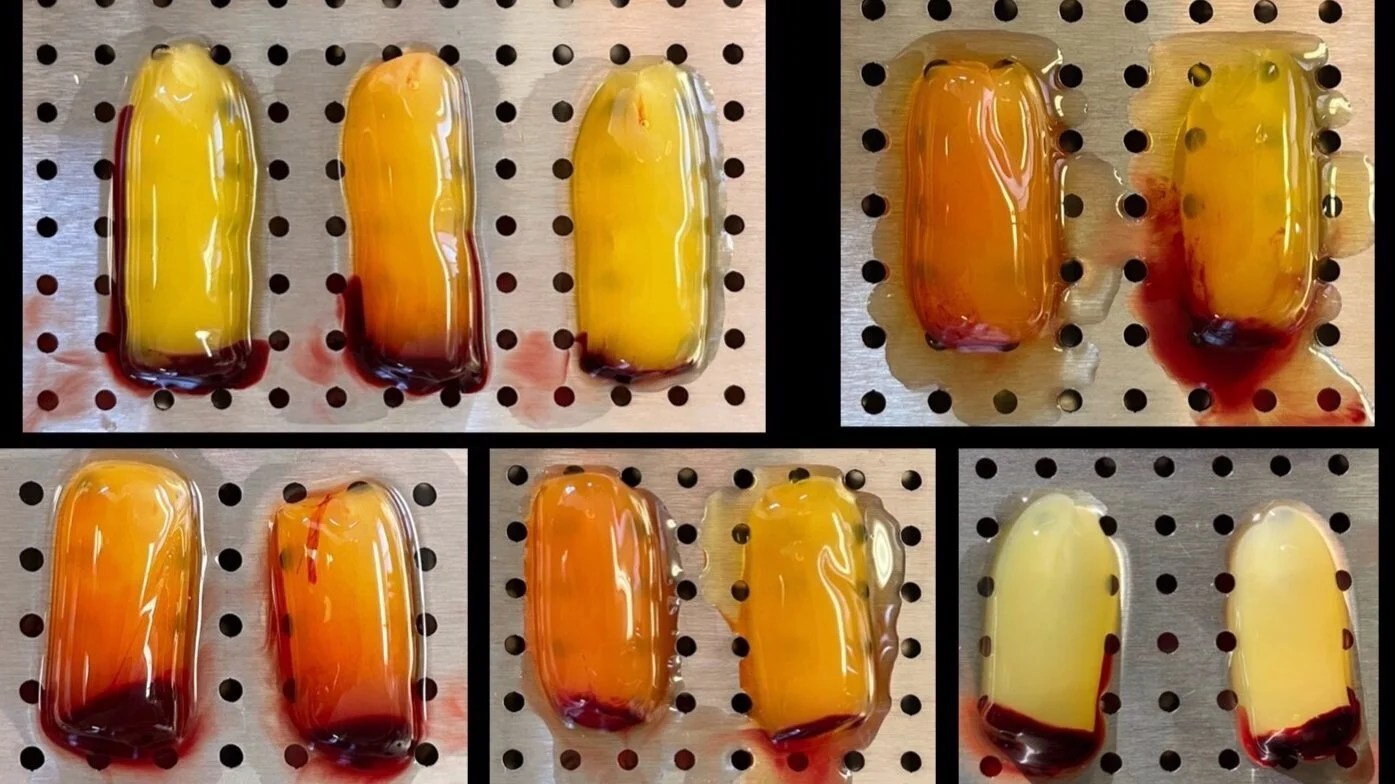
One regenerative approach that has gained attention in periodontal therapy is Advanced Platelet-Rich Fibrin (A-PRF). A-PRF is a blood-derived biomaterial prepared from a small sample of the patient’s own blood. It contains a fibrin matrix rich in platelets and various signaling molecules that may support the body’s natural healing and tissue-regeneration processes.
What Is Advanced PRF?
A-PRF is prepared by collecting a small amount of the patient’s blood and processing it to create a concentrated fibrin matrix.
Unlike a liquid injectable preparation, the fibrin matrix can act as a biologic scaffold at the surgical site. It may help support the healing environment while the body works to repair damaged tissues.
In periodontal procedures, A-PRF may be used in combination with other regenerative techniques, including bone grafting and guided tissue regeneration, depending on the condition being treated.
The goal is not simply to “fill a hole.” The objective is to create conditions that may allow the periodontal tissues surrounding the tooth to heal and, in carefully selected cases, regenerate.
How Can A-PRF Help Around a Failing Tooth?
Advanced PRF may contribute to healing in several ways.
1. It provides a fibrin scaffold
The fibrin network can provide a framework for cells involved in healing and may help stabilize the surgical area.
2. It contains biologically active substances
Platelets release growth factors and signaling molecules involved in wound healing. These substances may help support blood-vessel formation, tissue repair, and bone-healing processes.
3. It may support soft-tissue healing
Healthy gum tissue is essential for protecting the underlying bone and root surface. A-PRF may support soft-tissue healing following periodontal surgery.
4. It may complement bone-regeneration procedures
When there is a contained periodontal defect and the tooth still has a reasonable prognosis, A-PRF may be incorporated into a regenerative treatment approach. In some cases, it is combined with a bone graft or other regenerative materials.
Can PRF Actually Rebuild Lost Bone?
This is an important distinction.
A-PRF is not a magic material that automatically replaces lost bone.
Successful periodontal regeneration depends on many factors, including the type and shape of the bone defect, the amount of remaining supporting bone, infection control, tooth mobility, the condition of the root, oral hygiene, smoking status, systemic health, and the patient’s ability to maintain the area after treatment.
Research suggests that platelet concentrates such as A-PRF can have beneficial effects when used as an adjunct to periodontal regenerative procedures. However, results vary, and regenerative treatment cannot predictably save every severely compromised tooth.
That is why a careful periodontal evaluation is so important before making an irreversible decision.
What Should You Ask Before Agreeing to an Extraction?
If someone recommends removing a tooth because of bone loss or periodontal disease, consider asking:
1. Is the tooth truly hopeless?
Ask what specifically makes the tooth non-restorable or non-maintainable.
2. How much supporting bone remains?
A periodontal examination and appropriate imaging can help determine the extent and pattern of bone loss.
3. What type of bone defect do I have?
Some defects are much more favorable for regeneration than others.
4. Could regenerative periodontal treatment be considered?
Ask whether A-PRF, bone grafting, guided tissue regeneration, or another approach could be appropriate.
5. What is the prognosis if we try to save the tooth?
Ask for an honest discussion of the likelihood of maintaining the tooth—not simply whether treatment is technically possible.
6. What happens if we extract it?
Extraction may solve the immediate problem, but replacing a tooth can involve additional procedures and long-term maintenance.
7. Should I see a periodontist before making the decision?
For teeth with significant periodontal bone loss, an evaluation by a periodontist can provide another perspective before an irreversible extraction.
Saving a Natural Tooth Can Be Worth Exploring
There are situations where extraction is clearly the appropriate treatment. A tooth may be fractured, severely decayed, non-restorable, or have so little remaining support that regeneration is unlikely to succeed.
But severe bone loss does not automatically mean that every tooth must be removed.
Modern periodontal therapy has moved beyond simply treating infection. In appropriately selected cases, regenerative procedures aim to restore some of the tissues that have been lost.
A-PRF is one of several biologic tools periodontists may use to support this healing process.
The Bottom Line
Before saying goodbye to a failing tooth, make sure you understand why it is considered hopeless and whether there is a realistic regenerative option.
Advanced PRF may help create a favorable healing environment for gum and bone regeneration, particularly when combined with appropriate periodontal surgical techniques. It is not a guaranteed solution, but for the right patient and the right defect, it may be part of an effort to preserve the natural tooth.
If you have been told that a tooth needs to be extracted because of periodontal bone loss, consider getting a periodontal evaluation before making an irreversible decision. Sometimes the most important question is not “How do we replace this tooth?” but “Is there a reasonable way to save the tooth I already have?”
 About the Author
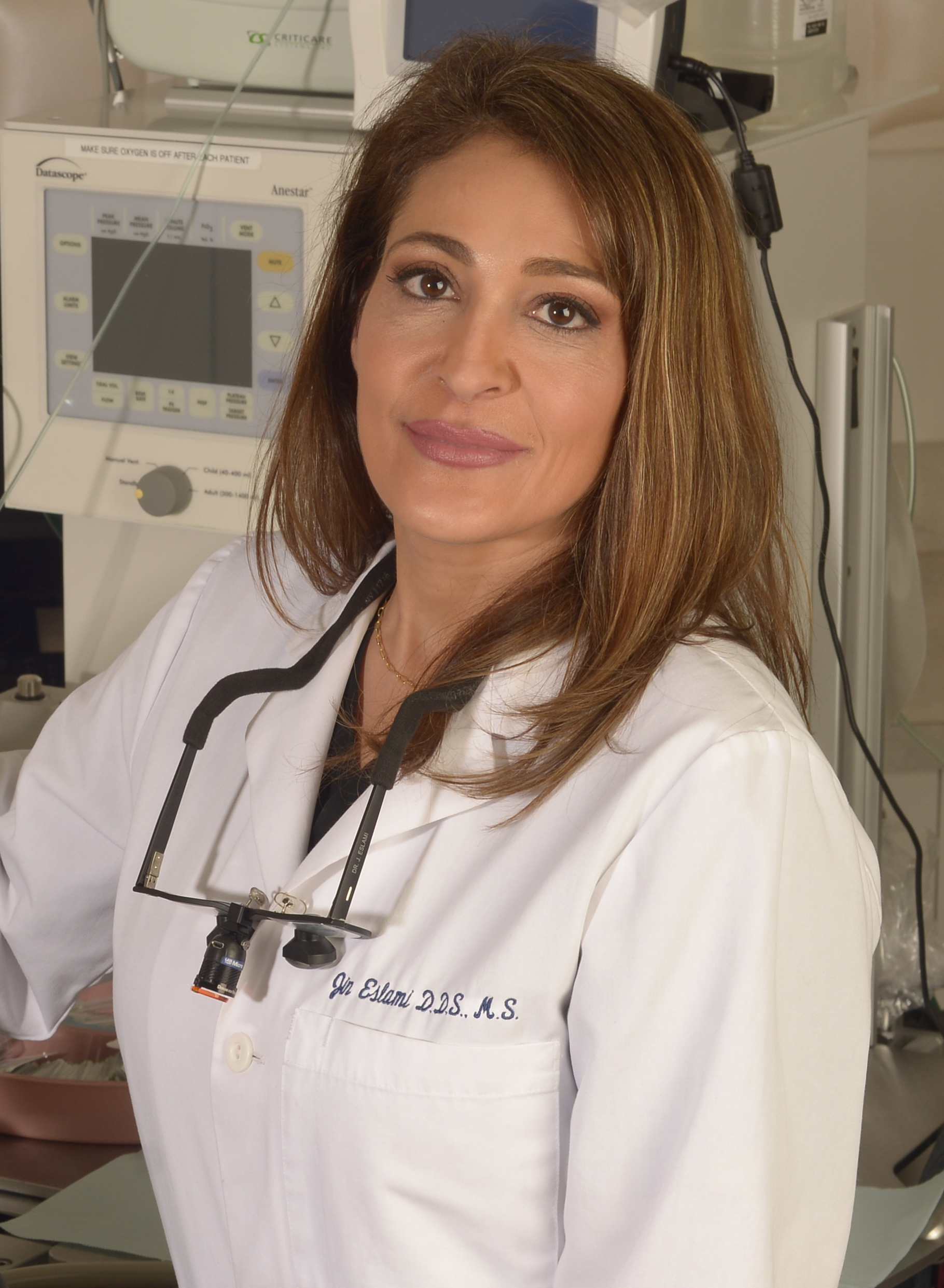
Dr. Jin Eslami, DDS, MS, is a board-certified periodontist with over 30 years of experience in periodontal disease treatment, dental implants, and advanced bone regeneration. Based in Rancho Santa Margarita, she specializes in complex cases involving severe gum disease and full-arch implant rehabilitation. Dr. Eslami is a strong advocate for the connection between oral health and systemic conditions, including cardiovascular disease and cancer.
To learn more or schedule a consultation, contact Dr. Eslami’s office for expert periodontal and implant care.
Orange County Oral Surgery & Periodontics
Phone: 949-888-0332
Website: https://www.ocosperio.com/
Comments are closed.