

Study shows that light therapy improves gum disease outcomes at home
 Can Light Therapy Improve Gum Disease at Home?
Gum disease has traditionally been treated in the dental office—with deep cleanings, antimicrobial therapies, and ongoing periodontal maintenance. But a growing body of research suggests something surprising:
Light therapy may help improve gum health—right from home.
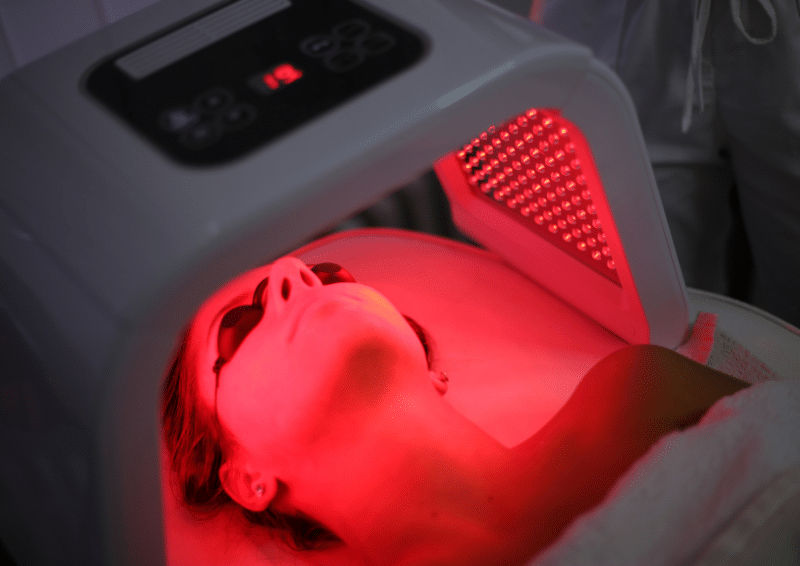
Also known as photobiomodulation (PBM) or low-level light therapy, this technology is gaining attention as a supportive tool for managing inflammation and promoting healing in patients with periodontal disease.
Let’s look at what the science actually says—and what it means for patients.
What Is Light Therapy for Gum Disease?
Light therapy uses specific wavelengths of red or near-infrared light to stimulate cellular activity.
Unlike surgical lasers used in dental procedures, these at-home devices operate at much lower energy levels and are designed to:
- Reduce inflammation
- Improve circulation
- Support tissue healing
- Potentially reduce harmful bacterial activity
The concept is rooted in cellular biology: light energy is absorbed by mitochondria, increasing ATP (energy) production and enhancing the body’s natural healing response.
What Does the Research Show?
Recent clinical studies have evaluated light therapy as an adjunct—not a replacement—for traditional periodontal care.
Research published in journals such as the Journal of Clinical Periodontology and supported by organizations like the American Academy of Periodontology suggests:
- Patients using light therapy alongside standard treatment showed reduced gum inflammation
- Improvements in bleeding on probing were noted
- Some studies reported reduced pocket depths over time
- Patients experienced less discomfort during healing
A key takeaway:
Light therapy appears to enhance healing after professional treatment, rather than replace scaling and root planing or maintenance visits.
How Does Light Therapy Help the Gums?
The benefits come down to how light interacts with your cells.
1. Reduces Inflammation
Gum disease is fundamentally an inflammatory condition. Light therapy helps modulate inflammatory pathways, leading to calmer, less swollen gum tissue.
2. Promotes Tissue Repair
By increasing cellular energy production, light therapy accelerates healing of the gum tissue after bacterial damage.
3. Improves Blood Flow
Better circulation delivers oxygen and nutrients to compromised areas, supporting regeneration.
4. May Impact Bacteria
While not a primary antibacterial treatment, certain wavelengths may create an environment less favorable for harmful periodontal bacteria.
Can You Use Light Therapy at Home?
Yes—but with an important caveat.
At-home light therapy devices are designed to be adjunctive tools, meaning they should be used in combination with professional care, not instead of it.
They may be especially helpful for patients who:
- Have gingivitis or early periodontitis
- Experience frequent gum inflammation
- Are undergoing periodontal maintenance
- Want to improve healing after deep cleanings
However, they cannot remove plaque or tartar, which are the root causes of gum disease.
What Light Therapy Cannot Do
It’s important to stay grounded in reality.
Light therapy does not:
- Replace professional cleanings
- Remove tartar
- Cure moderate to severe periodontitis on its own
- Eliminate the need for flossing and brushing
Think of it as a supportive therapy, similar to how anti-inflammatory strategies help manage chronic conditions—but don’t eliminate the underlying cause.
Is It Safe?
When used as directed, low-level light therapy is generally considered safe.
Devices cleared through regulatory pathways and used appropriately have shown:
- Minimal to no side effects
- No damage to surrounding tissues
- Good patient tolerance
That said, patients should always consult with their dental professional before starting any at-home device—especially if they have existing periodontal disease or medical conditions.
Who Benefits the Most?
Light therapy may be particularly beneficial for:
- Patients with chronic gingivitis
- Individuals with mild to moderate periodontal disease
- Patients with systemic inflammation (such as diabetes)
- Those looking to enhance healing after periodontal procedures
For high-risk patients, combining professional care with supportive therapies can make a measurable difference in long-term outcomes.
The Future of Periodontal Care?
We’re seeing a shift in dentistry toward patient-driven, at-home support tools that extend care beyond the dental chair.
Light therapy fits into this model—bridging the gap between visits and helping patients stay ahead of inflammation.
While more long-term studies are still needed, the current evidence is promising.
Bottom Line
Light therapy is not a cure for gum disease—but it may be a valuable addition to your home care routine.
When combined with:
- Professional cleanings
- Consistent brushing and flossing
- Regular periodontal maintenance
…it can help reduce inflammation, support healing, and improve overall gum health.
 About the Author
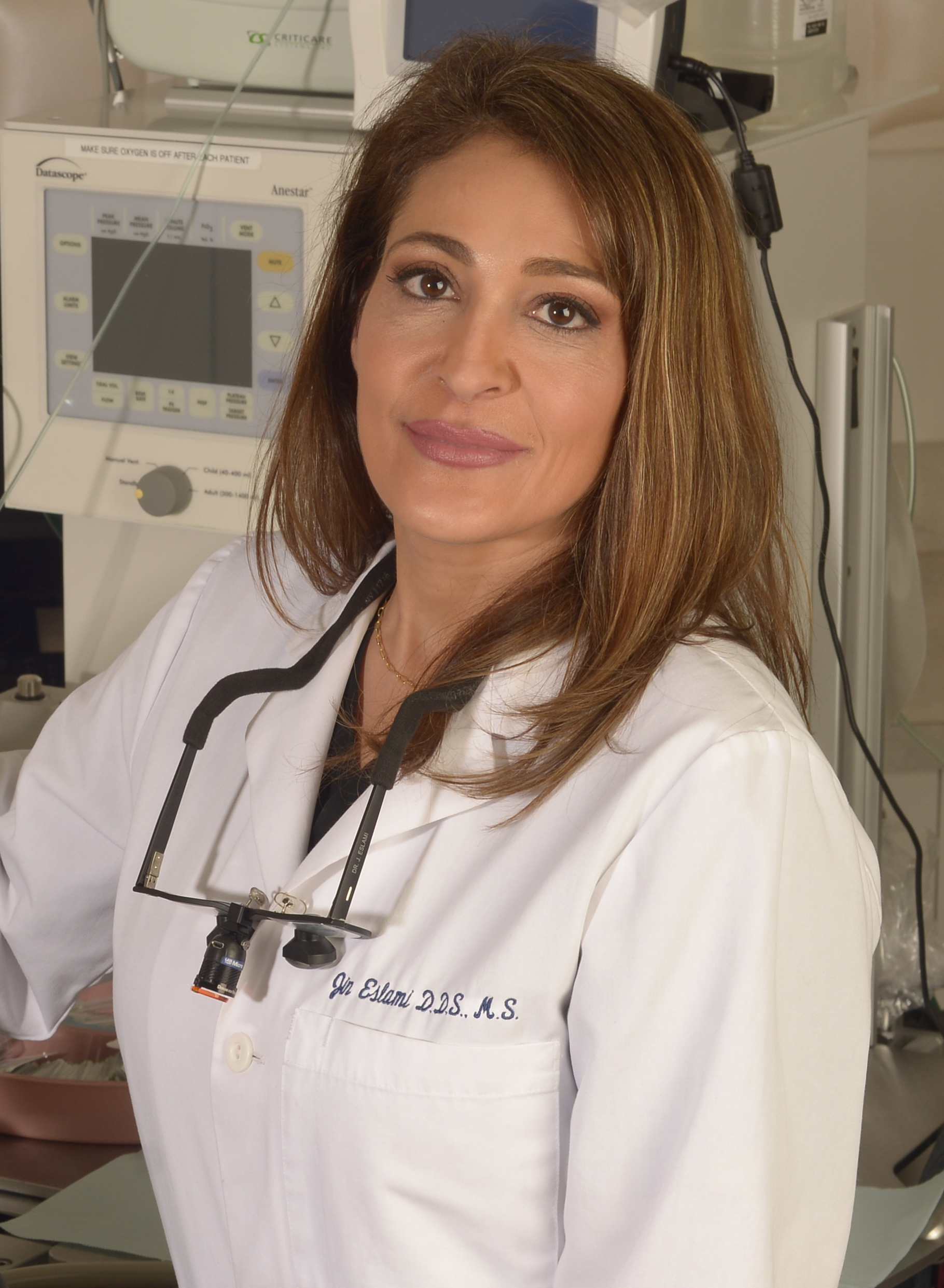
Dr. Jin Eslami, DDS, MS, is a board-certified periodontist with over 30 years of experience in periodontal disease treatment, dental implants, and advanced bone regeneration. Based in Rancho Santa Margarita, she specializes in complex cases involving severe gum disease and full-arch implant rehabilitation. Dr. Eslami is a strong advocate for the connection between oral health and systemic conditions, including cardiovascular disease and cancer.
To learn more or schedule a consultation, contact Dr. Eslami’s office for expert periodontal and implant care.
Orange County Oral Surgery & Periodontics
Phone: 949-888-0332
Website: https://www.ocosperio.com/
Comments are closed.