

How Often Should You Get Teeth Cleaning?
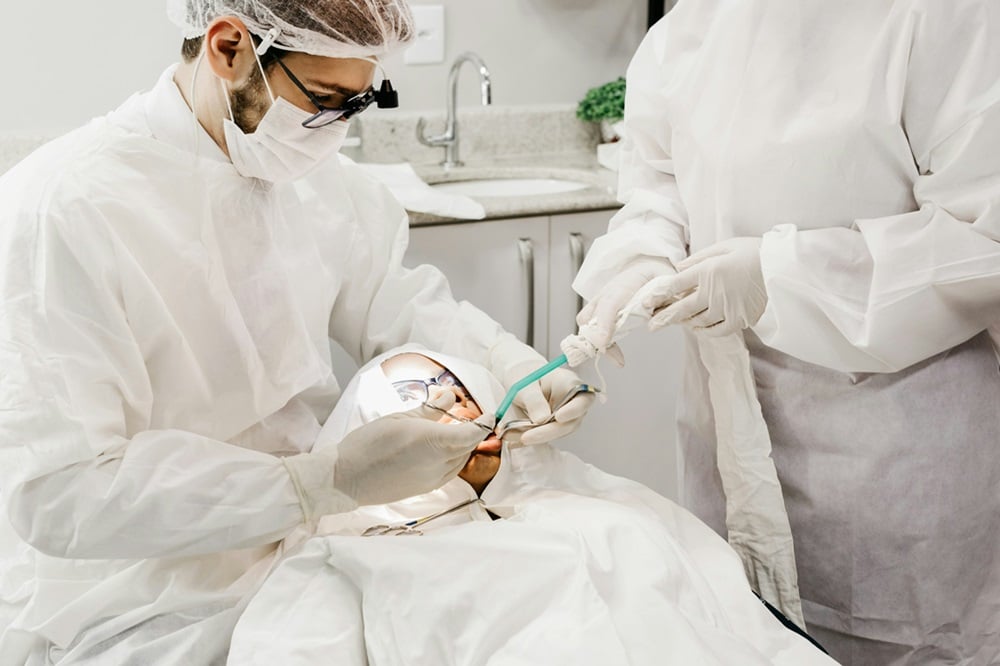 How Often Do You Really Need a Dental Cleaning?
Your dentist probably tells you to come back every six months. For some people, that’s exactly right.
For others, it’s either too often—or not often enough.
The truth is, how often you need a professional teeth cleaning isn’t one-size-fits-all. It depends on what’s happening inside your mouth, your gum health, and even your overall medical condition.
Let’s break down what actually determines your ideal cleaning schedule.
What Determines Your Cleaning Frequency?
Your recall interval isn’t random—it’s based on how quickly plaque turns into tartar, how your gums respond to bacteria, and your individual risk factors.
The traditional six-month recommendation works well for people with:
- Healthy gums
- Minimal inflammation
- Average plaque accumulation
Research supported by organizations like the American Dental Association shows that many adults accumulate enough tartar within six months to benefit from professional removal.
However, several factors can shift that timeline:
Saliva composition:
Some people naturally form tartar faster due to higher mineral content in saliva.
Genetics:
A family history of gum disease increases your risk and may require closer monitoring.
Lifestyle habits:
Smoking, frequent coffee consumption, and inconsistent flossing accelerate buildup.
Systemic health:
Conditions like diabetes or immune disorders can significantly impact gum health.
How Gum Disease Changes Everything
Gum disease is the single biggest factor that determines how often you should be seen.
Gingivitis (Early Stage)
If you have early inflammation, you may need cleanings every 3–4 months to prevent progression.
The American Academy of Periodontology emphasizes that more frequent cleanings reduce inflammation and help prevent the transition to periodontitis.
Periodontitis (Advanced Disease)
For moderate to severe cases, visits are typically every 3 months—or even every 6–8 weeks in certain situations.
These are not routine cleanings. They are periodontal maintenance visits, designed to:
- Disrupt bacteria below the gumline
- Control inflammation
- Preserve bone support
Skipping these visits allows bacteria to repopulate, leading to deeper pockets and potential tooth loss.
A study in the Journal of Periodontology showed that patients maintaining quarterly visits had significantly better long-term outcomes than those extending to six months or longer.
What If You Build Tartar Quickly?
Not everyone accumulates tartar at the same rate.
Some patients develop very little over six months. Others form heavy deposits in just 8–10 weeks.
If your hygienist consistently finds significant buildup, a 3–4 month interval is more appropriate.
Important to understand:
- Plaque hardens into tartar in as little as 24–72 hours
- Once hardened, it cannot be removed at home
Common causes of heavy buildup include:
- High mineral saliva
- Dry mouth
- Crowded teeth
- Orthodontic appliances or retainers
How Medical Conditions Influence Your Schedule
Your mouth doesn’t exist in isolation—your overall health directly affects your gums.
Diabetes
Patients with diabetes are more prone to infections and inflammation. Cleanings every 3–4 months are often recommended.
Cardiovascular Disease
Chronic gum inflammation is linked to heart health. Maintaining periodontal stability may help reduce systemic inflammatory burden.
Pregnancy
Hormonal changes can trigger pregnancy gingivitis, even in previously healthy patients. An additional cleaning during the second trimester is often beneficial.
Autoimmune Conditions
Diseases like lupus or rheumatoid arthritis—and medications that suppress the immune system—can increase risk for gum disease.
Cancer Therapy
Chemotherapy and radiation can compromise oral tissues. These patients often require more frequent, carefully managed cleanings coordinated with their medical team.
Can You Go Longer Than Six Months?
In very select cases—yes.
You might be able to extend to 8–12 months if you have:
- Excellent oral hygiene
- No bleeding or inflammation
- Minimal plaque accumulation
- No systemic risk factors
However, most dental professionals caution against extending beyond 8 months, because problems like:
- Early decay
- Deepening gum pockets
- Bone loss
can develop silently.
The Real Cost of Skipping Cleanings
Skipping routine care isn’t just about plaque—it’s about what develops when bacteria are left undisturbed.
Typical costs:
- Preventive cleaning: $75–$200
- Gum disease treatment: $500–$5,000+
- Restorative procedures (crowns, root canals): significantly higher
According to the Centers for Disease Control and Prevention, nearly 50% of adults over 30 have some form of gum disease.
Beyond cost, there’s a bigger concern: systemic health.
Chronic gum inflammation has been associated with:
- Diabetes complications
- Cardiovascular disease
- Stroke
- Pregnancy complications
Routine cleanings help reduce this inflammatory burden.
Frequently Asked Questions
How do I know if I need more frequent cleanings?
Your provider will assess bleeding, pocket depths, bone levels, and tartar accumulation. If you’re unsure, ask directly—your cleaning interval should always be personalized.
Will insurance cover more than two cleanings per year?
Some plans do, especially with a documented periodontal diagnosis. Always verify coverage in advance.
Can brushing and flossing replace professional cleanings?
No. Once tartar forms, only professional instruments can safely remove it—especially below the gumline.
Bottom Line
The “every six months” rule is a guideline—not a rule.
Your ideal schedule depends on:
- Your biology
- Your habits
- Your medical history
- Your gum health
The best approach is a customized one—based on risk, not routine.
About the Author Dr. Jin Eslami, DDS, MS, is a board-certified periodontist with over 30 years of experience in periodontal disease treatment, dental implants, and advanced bone regeneration. Based in Rancho Santa Margarita, she specializes in complex cases involving severe gum disease and full-arch implant rehabilitation. Dr. Eslami is a strong advocate for the connection between oral health and systemic conditions, including cardiovascular disease and cancer.
To learn more or schedule a consultation, contact Dr. Eslami’s office for expert periodontal and implant care.
Orange County Oral Surgery & Periodontics
Phone: 949-888-0332
Website: https://www.ocosperio.com/
Comments are closed.