
Can Mouthwash cause Heart Disease?
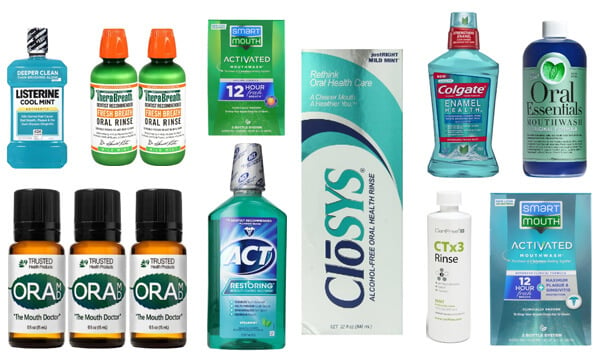 Can Mouthwash cause Heart Disease? There’s been a quiet buzz—especially online—suggesting that using mouthwash could increase your risk of heart disease. It’s the kind of claim that grabs attention quickly: something as routine as rinsing your mouth might be harming your heart?
Let’s separate signal from noise.
Where Did This Concern Come From?
The concern stems from research into the oral microbiome—the community of bacteria living in your mouth—and its role in producing nitric oxide. Nitric oxide is important because it helps regulate blood pressure by relaxing blood vessels.
Certain beneficial oral bacteria help convert dietary nitrates (from foods like leafy greens) into nitric oxide. Some studies have suggested that strong antibacterial mouthwashes may reduce these helpful bacteria, potentially lowering nitric oxide levels and, in theory, affecting blood pressure.
That’s the origin of the concern.
What Does the Science Actually Say?
Here’s the key point: there is no strong clinical evidence showing that mouthwash causes heart disease.
Some small studies have shown:
- A temporary increase in blood pressure with frequent use of certain antiseptic mouthwashes
- Changes in oral bacteria after use
But these findings:
- Are modest
- Are not consistent across all studies
- Do not establish a direct cause-and-effect relationship with heart disease
Heart disease is complex and influenced by major factors like genetics, smoking, diabetes, obesity, diet, and physical activity—not whether you used mouthwash last night.
The Real Risk of Overreaction
Avoiding mouthwash out of fear may actually do more harm than good—especially for patients who benefit from it.
Mouthwash can play an important role in:
- Reducing bacterial load
- Controlling gingivitis
- Managing bad breath
- Supporting periodontal health
And here’s the connection many people miss: gum disease itself has been linked to systemic inflammation and cardiovascular issues. Poor oral health is a clearer and more established risk factor than mouthwash use.
So… Yes or No?
No—you should not be afraid of mouthwash as a cause of heart disease.
But like many things in health, the nuance matters.
Smart, Balanced Guidance
- Use mouthwash when indicated, not blindly or excessively
- Don’t rely on it as a substitute for brushing and flossing
- If you have concerns about blood pressure, discuss them with your physician—not TikTok
- Focus on controlling inflammation in your mouth—that’s far more impactful
The Bigger Picture
The idea that mouthwash is “dangerous” is an oversimplification of early, limited data. What’s far more important is maintaining a balanced oral microbiome and minimizing chronic inflammation.
Good oral hygiene—including brushing, flossing, and appropriate use of mouthwash—supports both oral and overall health.
Final Thought
If you’re using mouthwash as part of a thoughtful oral care routine, you’re not putting your heart at risk—you’re likely helping your health more than hurting it.
The real danger isn’t mouthwash.
It’s misunderstanding the science.
About the Author
 Dr. Jin Eslami, DDS, MS, is a board-certified periodontist with over 30 years of experience in periodontal disease treatment, dental implants, and advanced bone regeneration. Based in Rancho Santa Margarita, she specializes in complex cases involving severe gum disease and full-arch implant rehabilitation. Dr. Eslami is a strong advocate for the connection between oral health and systemic conditions, including cardiovascular disease and cancer.
To learn more or schedule a consultation, contact Dr. Eslami’s office for expert periodontal and implant care.
Orange County Oral Surgery & Periodontics
Phone: 949-888-0332
Website: https://www.ocosperio.com/
Comments are closed.